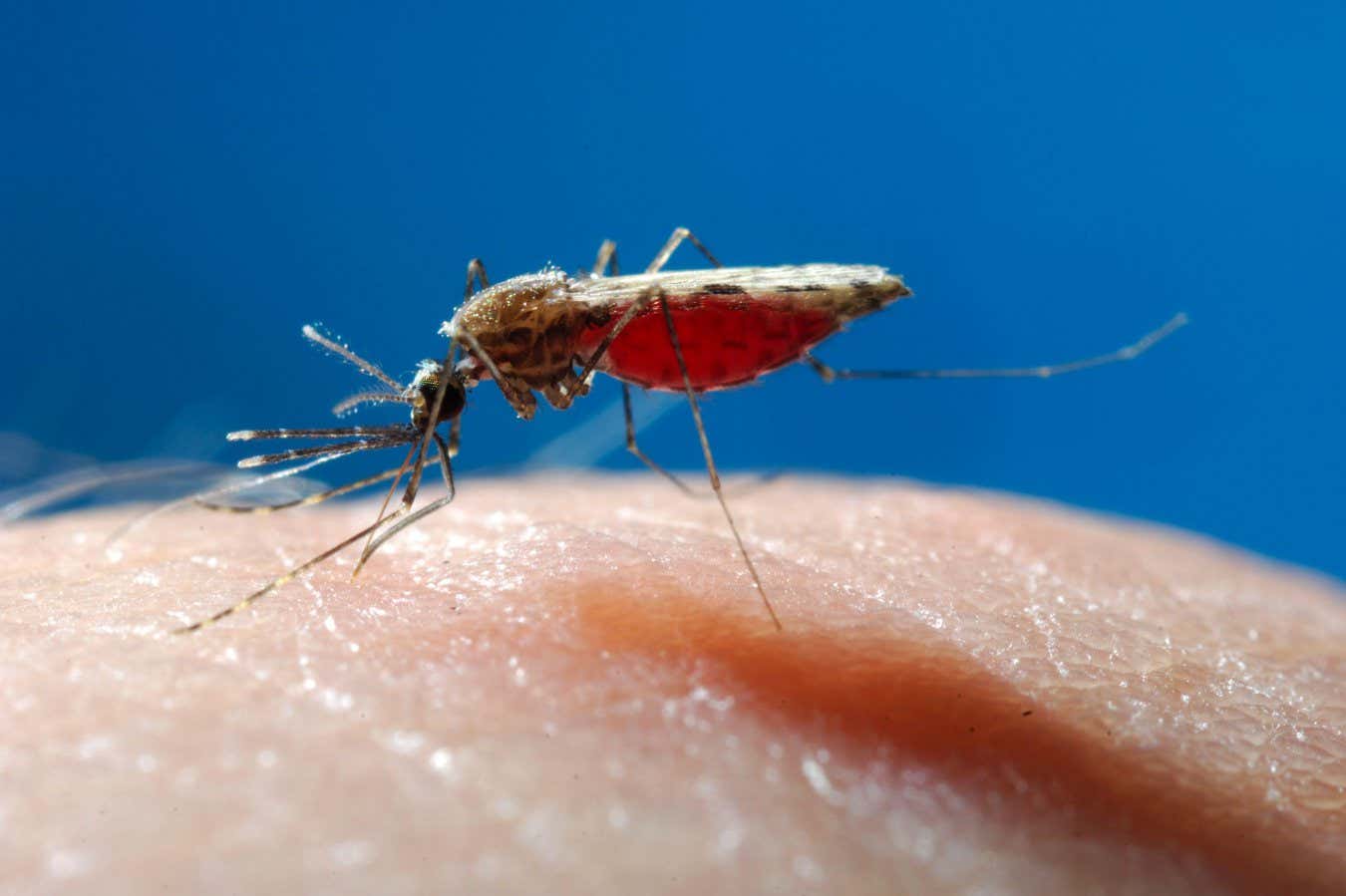
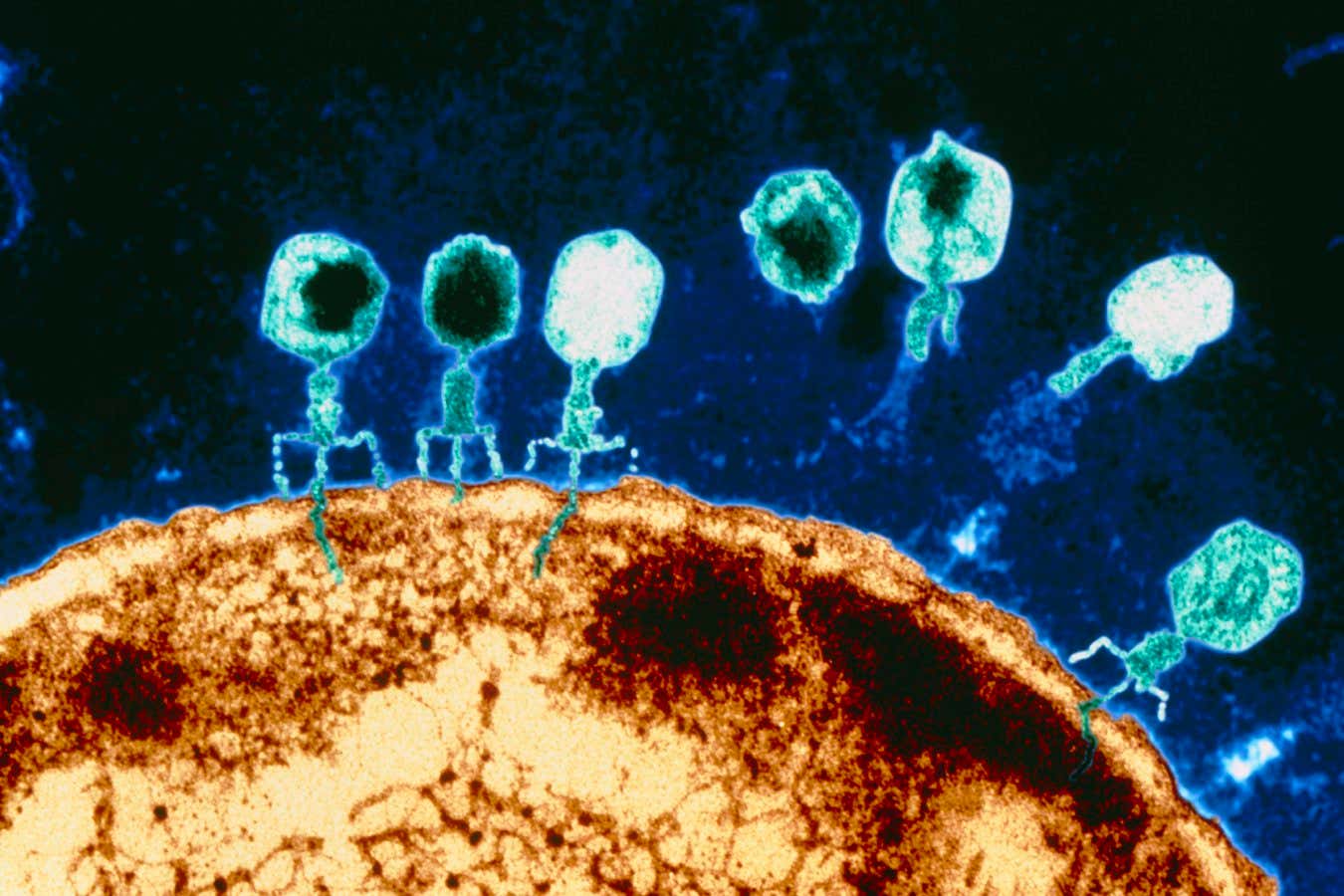
Rotavirus is the most common cause of severe diarrhoea in young children Phanie / Alamy Stock Photo
Rotavirus vaccine may protect children from developing type 1 diabetes.
In Australia, the vaccine for rotavirus – the most common cause of severe diarrhoea in young children – was added to routine early-childhood immunisations in 2007.
Kirsten Perrett at the University of Melbourne in Australia and her colleagues compared the rates of diabetes in the 8 years before and after the introduction of the rotavirus vaccine. They found a 14 per cent drop in type 1 diabetes in children age 0 to 4, but no change in children 5 to 14 years old.
Advertisement
Perrett says that is likely because the children in the study under age 5 were born after the introduction of the vaccine, which must be given before exposure to the virus to have any protective effect.
Rotavirus infects pancreas cells by hijacking a natural receptor on their surface, which leads to cell death. The vaccine stops this process in insulin-producing cells, which may be why it is effective against diabetes as well. Perrett and her team our now looking into links between type 1 diabetes and reduction in pancreas size associated with the disease.
JAMA Pediatrics DOI: 10.1001/jamapediatrics.2018.4578
Topics: