Low-oxygen zones could make it difficult for octopuses to see UCSD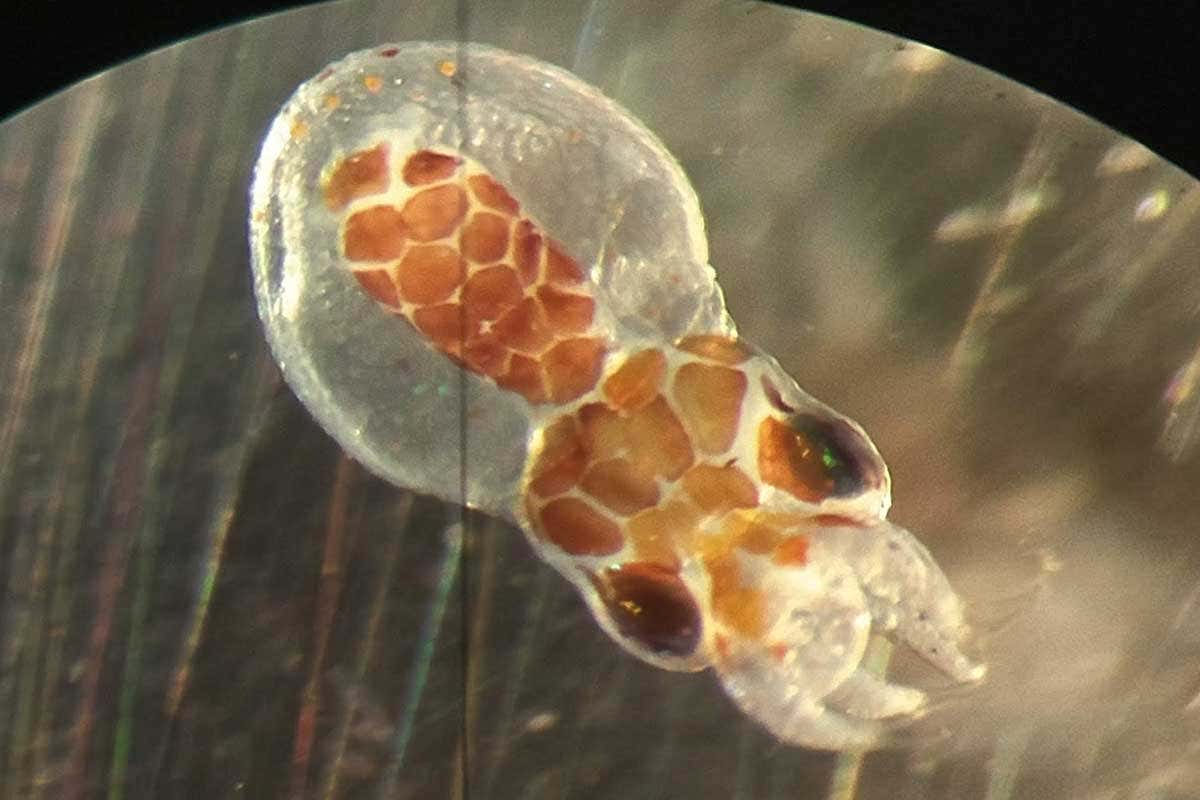
Marine animals temporarily lose the ability to see when they enter water that is low in oxygen. The finding suggests the animals may struggle in the coming decades, as climate change is causing low-oxygen zones in the ocean to spread.
Lillian McCormick of the Scripps Institution of Oceanography in La Jolla, California and her colleagues studied the larvae of four marine animals: market squid, two-spot octopus, tuna crab and brachyuran crab. All these larvae rely heavily on vision.
The team placed each larva in a small water-filled well…