Subscribe now

Life

Parasitic ants keep evolving to lose their smell and taste genes

By Jake Buehler

2 June 2021

New Scientist. Science news and long reads from expert journalists, covering developments in science, technology, health and the environment on the website and the magazine.

A female myrmicine ant (Temnothorax americanus)

Clarence Holmes Wildlife/Alamy
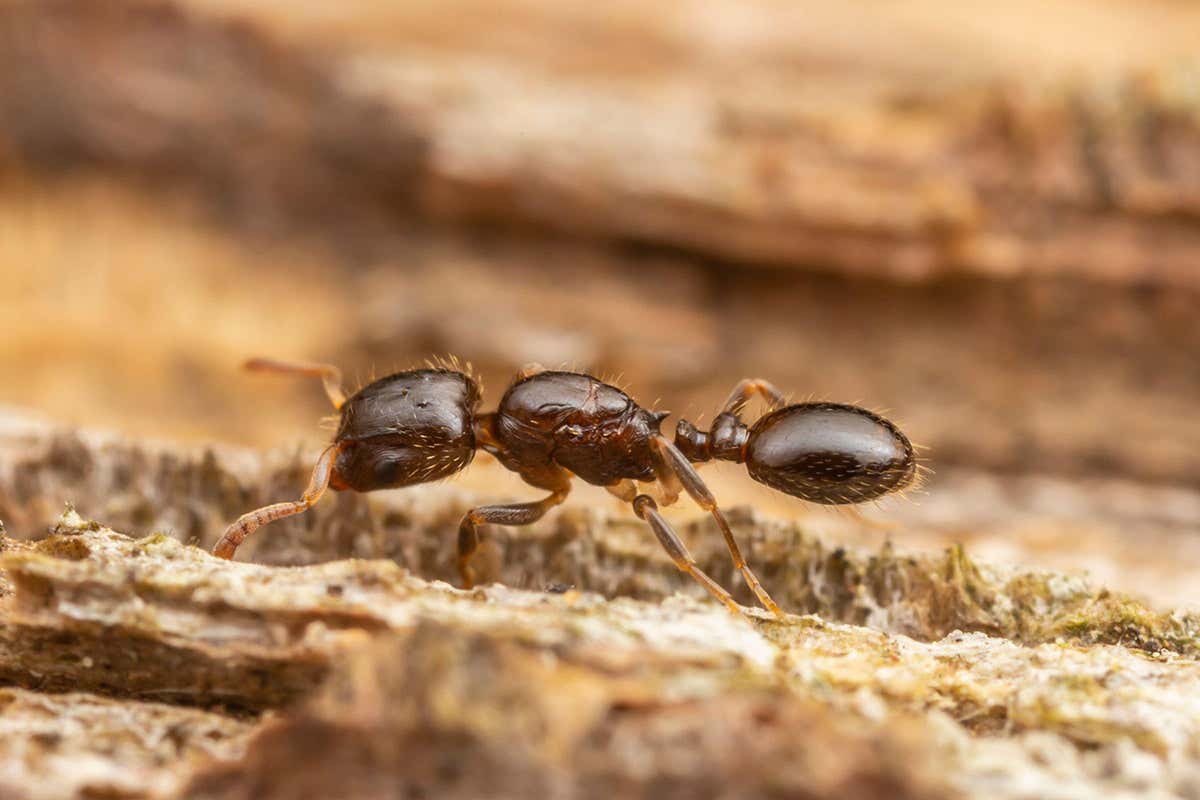
To most ants, smell and taste are everything. But some parasitic ant species have lost the genes that drive these senses – a sensory shake-up that may be due to the way they outsource some tasks to host species.

Interpreting subtle chemical cues through smell and taste help ants hold their societies together. This “chemoreception” is involved in everything from group foraging to recognising nest mates.

But not all species of ant live or interact with each other in the same way. Some ants are social parasites that raid the nests of…

Sign up to our weekly newsletter

Receive a weekly dose of discovery in your inbox. We'll also keep you up to date with New Scientist events and special offers.

Sign up

To continue reading, subscribe today with our introductory offers

Popular articles

Trending New Scientist articles

Piano Exit Overlay Banner Mobile Piano Exit Overlay Banner Desktop