Dog food often contains grains – and may have done so for thousands of years Jaromir Chalabala / Alamy Stock Photo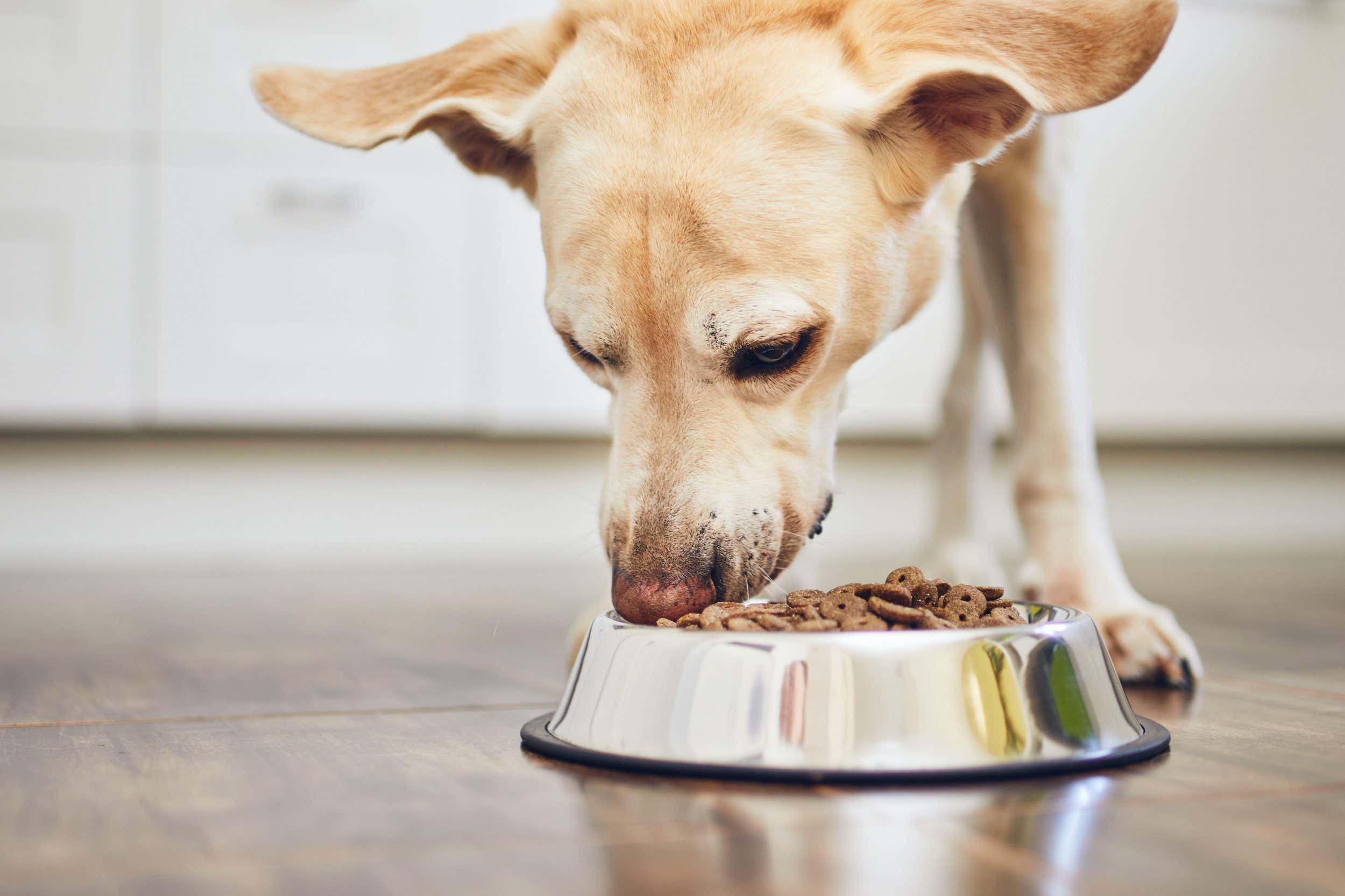
Dog diets often contain more starch than those of their carnivorous wolf ancestors, and an analysis of fossilised dog faeces helps explain how the animals made the dietary change. Long before their genomes adapted to their plant-rich chow, their gut microbiome gained a starch-digesting profile.
Due to their close association with humans, it is thought that dogs’ diets shifted to less meat and more carbohydrates when farming began – an idea that was supported by an archaeological analysis published earlier this…