Artist’s impression a protoplanetary disc. Inset: A soup of complex molecules surrounding a new planet M.Weiss/Center for Astrophysics/Harvard & Smithsonian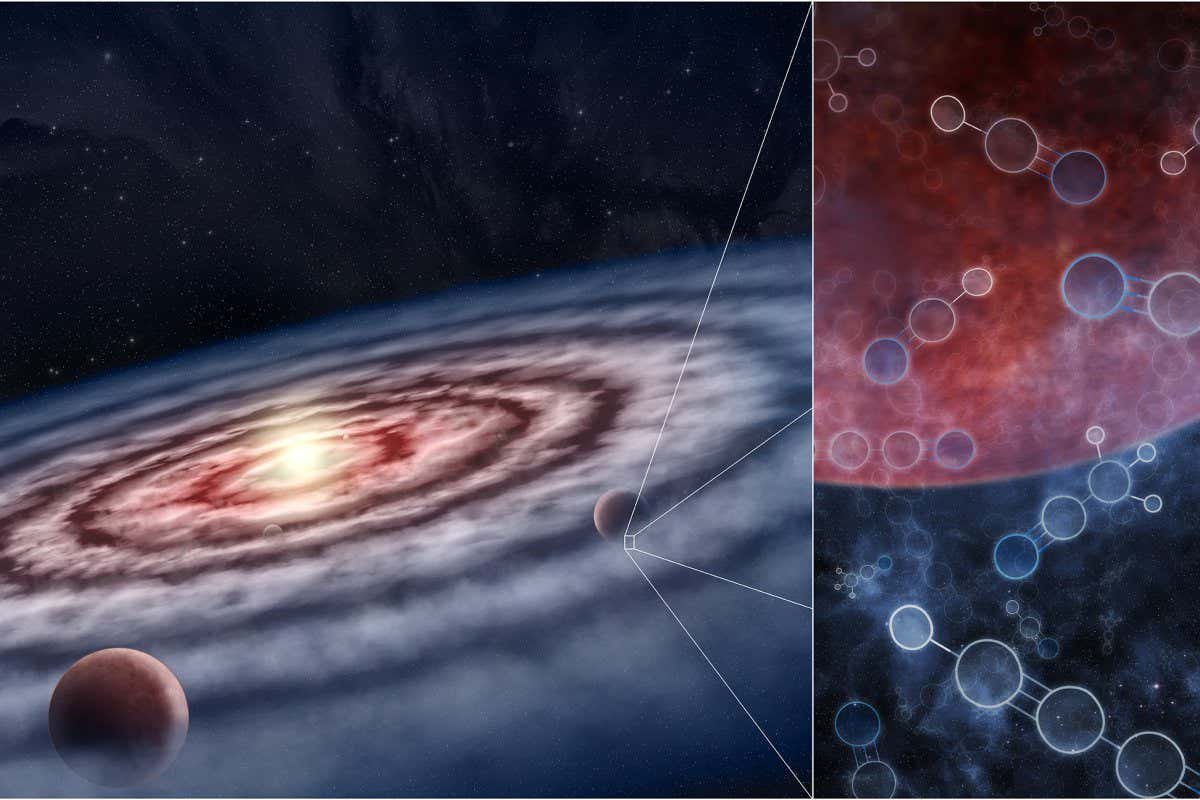
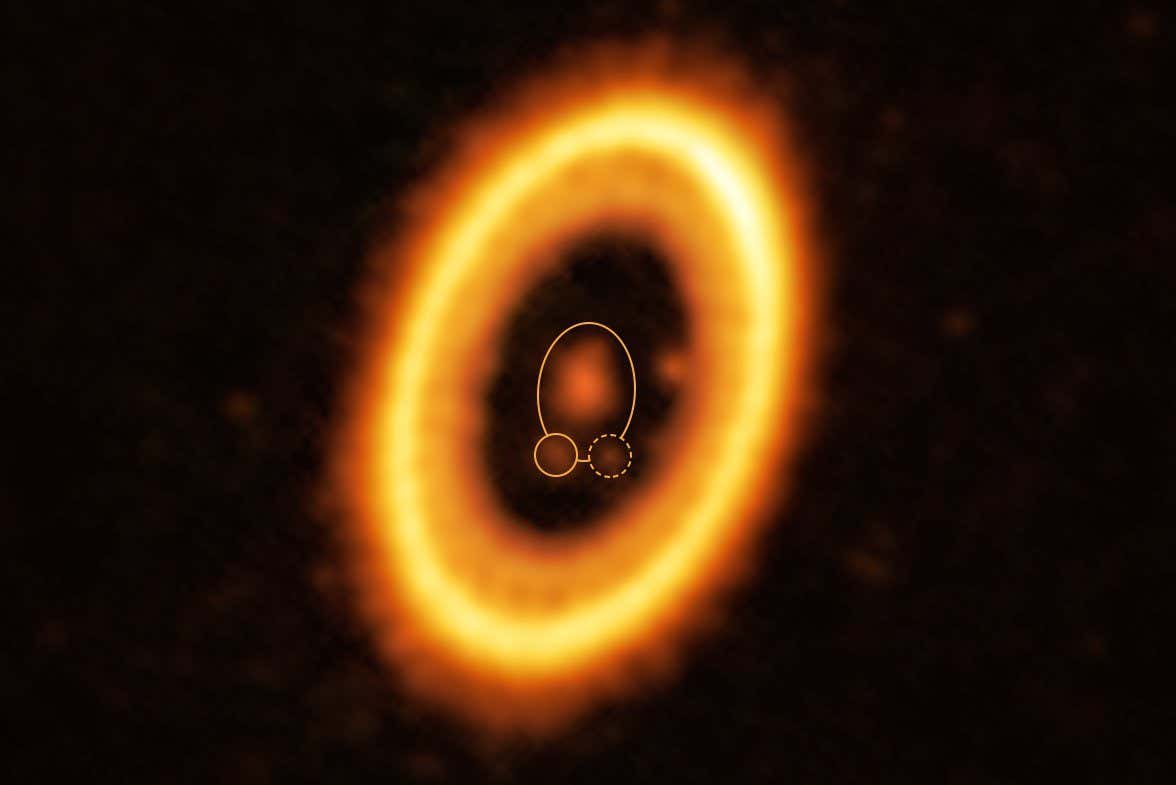
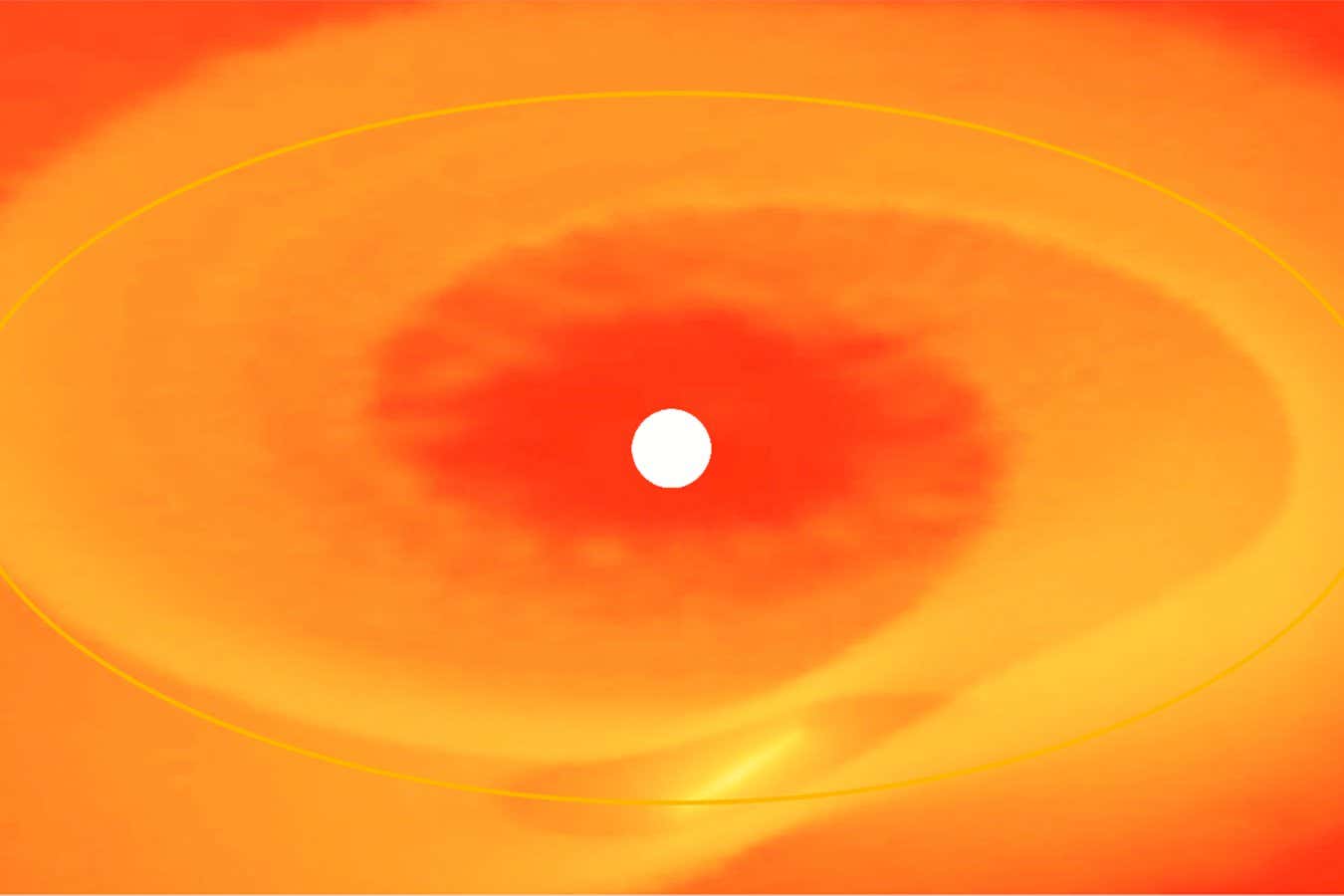
Planetary nurseries have been mapped in the most detail yet, and they contain far more organic molecules than expected – the basic chemical building blocks for life to arise. Studying such maps could help us understand whether we are alone in the universe.
Planets are expected to form in discs of dust and gas called protoplanetary discs, which encircle young stars. We have observed these discs in the past, and even seen signs of planets forming in them, but the Molecules…