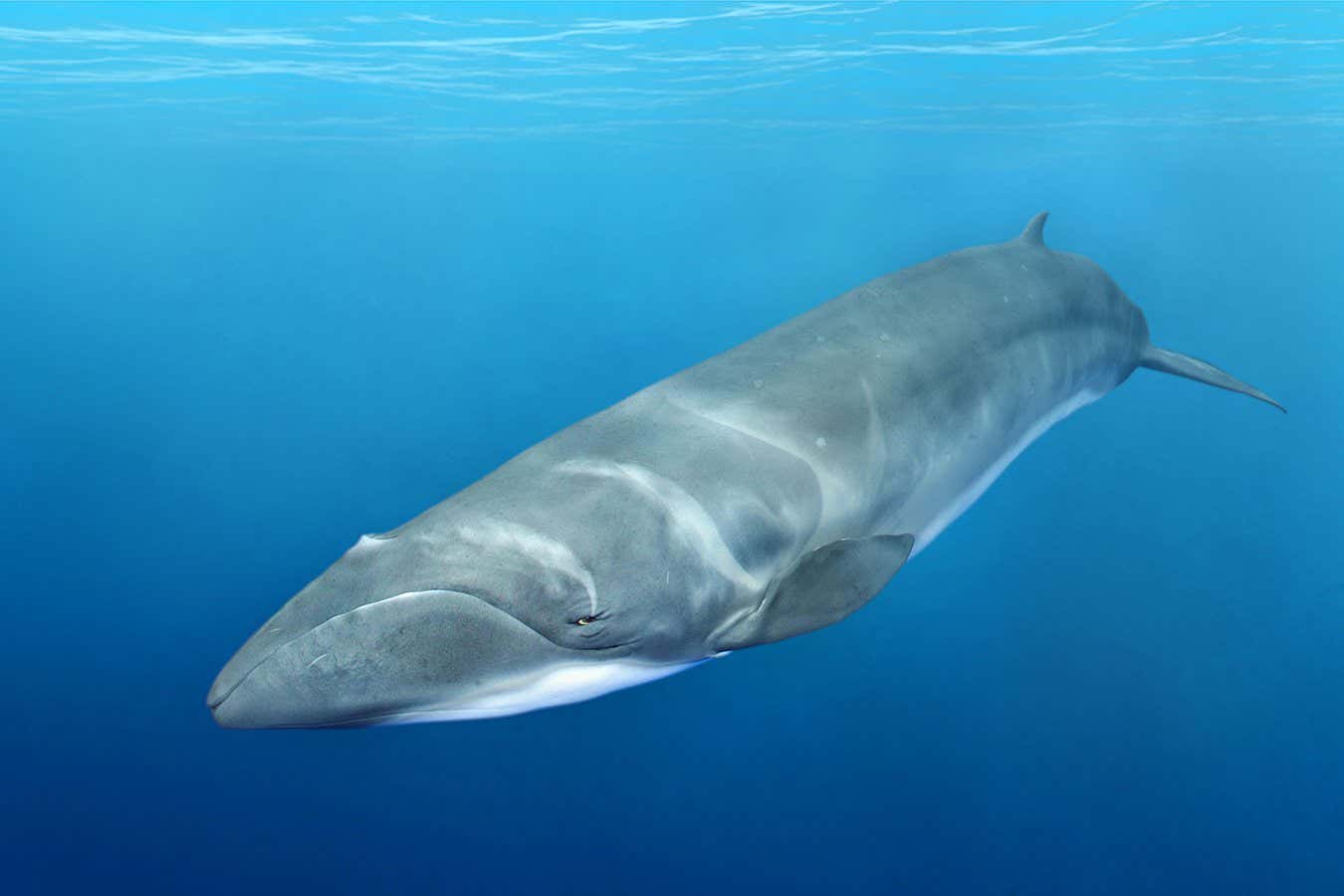
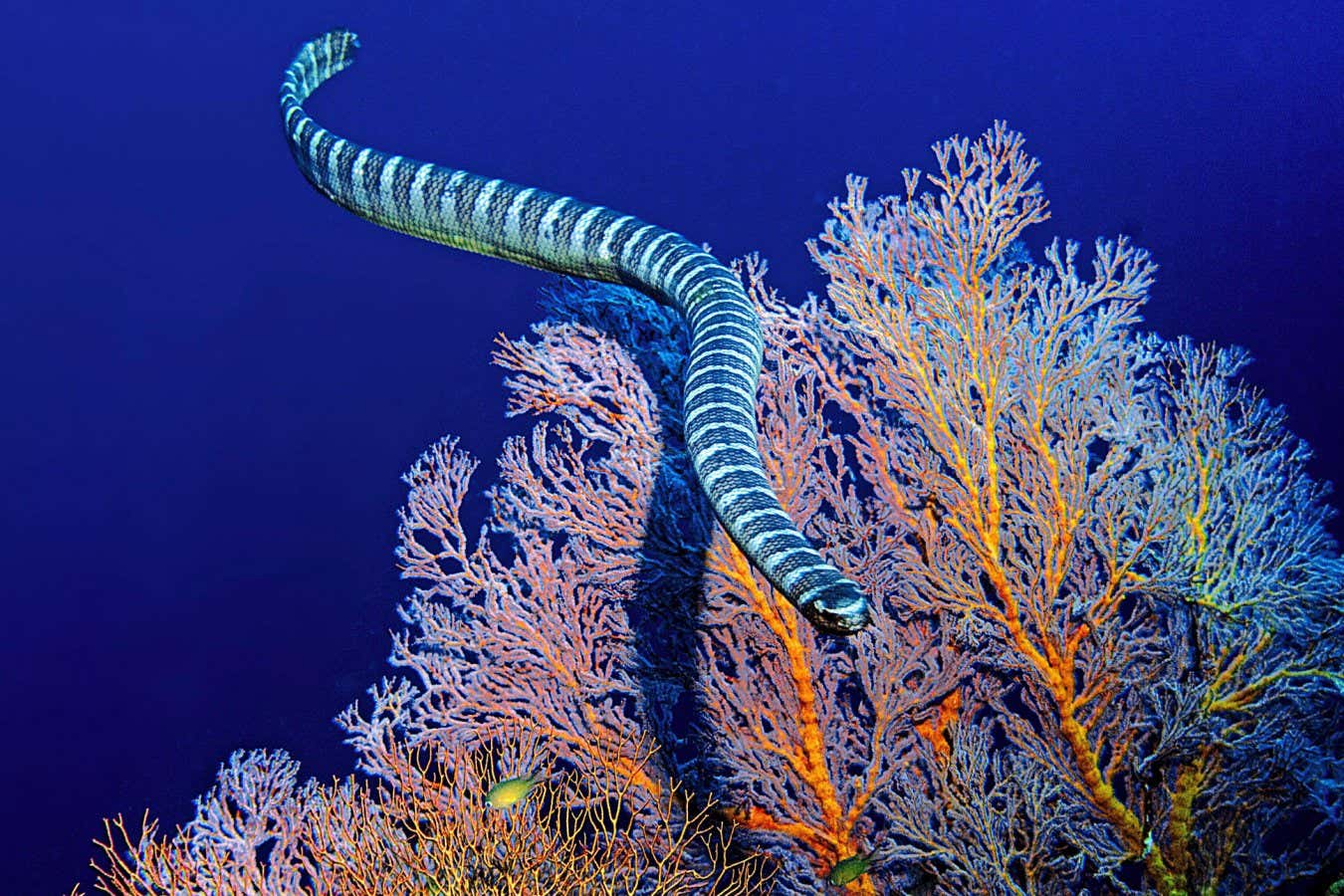
A sea cucumber (Chiridota heheva) PF-(usna1)/Alamy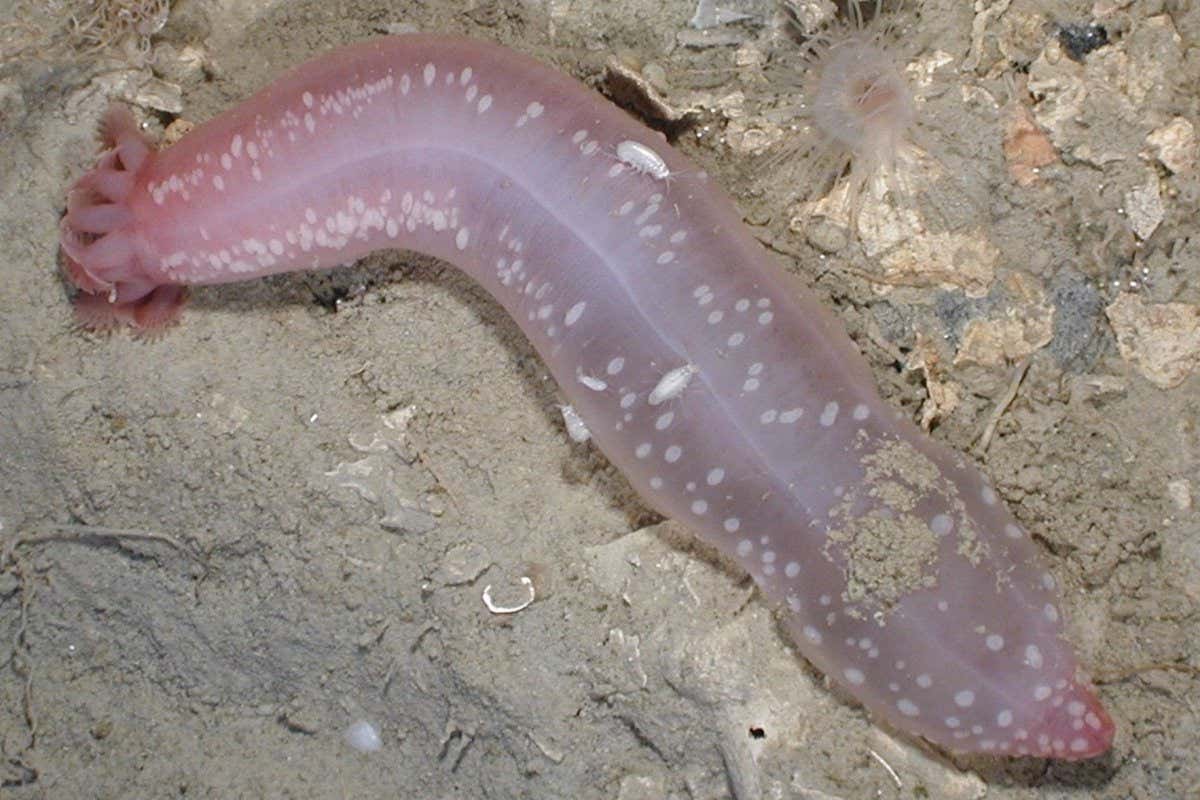
A sea cucumber that lives in extreme deep-sea environments has had its genome sequenced. This revealed that many of its genes have been altered, potentially by the intense places it calls home.
Chiridota heheva is a sea cucumber, a worm-like animal in the echinoderm group that also includes starfish. First described in 2004, it is one of the only echinoderms that lives in three of the most extreme ocean locations: hydrothermal vents, cold seeps rich in carbon-based chemicals like methane, and “whale falls” – the sunken corpses of whales. These places have…