Subscribe now

Technology

Robots can use their own whirring to echolocate and avoid collisions

Instead of using sophisticated sensors to detect their surroundings and navigate safely, drones and robots could listen for reflections of their own mechanical noises

By Matthew Sparkes

18 November 2021

New Scientist. Science news and long reads from expert journalists, covering developments in science, technology, health and the environment on the website and the magazine.

A robot tests an echolocation system using noise from a speaker

Jesper Rindom Jensen et al. (2021)
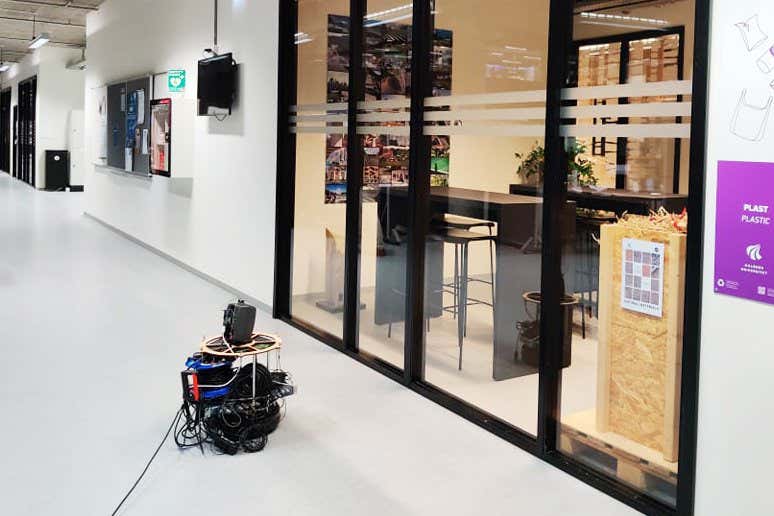
The whirring, squeaking or clicking created by robots’ wheels, joints and motors are usually undesirable, and engineers work hard to minimise them. But a research team has found that they can be useful as part of an echolocation system to aid navigation and avoid crashes.

Most robots, whether they walk, roll or fly create some sort of background noise. Flying drones, in particular, are extremely noisy. Jesper Rindom Jensen at Aalborg University in Denmark and his colleagues suggest robots can take advantage…
Sign up to our weekly newsletter

Receive a weekly dose of discovery in your inbox. We'll also keep you up to date with New Scientist events and special offers.

Sign up

To continue reading, subscribe today with our introductory offers

Popular articles

Trending New Scientist articles

Piano Exit Overlay Banner Mobile Piano Exit Overlay Banner Desktop