Subscribe now

Health

Robot scientist finds most breast cancer studies aren't reproducible

A robot scientist repeated experiments from 74 studies on breast cancer cells, and only 22 yielded the expected result, suggesting researchers may need to report their work more carefully

By Chris Stokel-Walker

6 April 2022

Female biological laboratory researcher working on biomedical experiments. Scientific genetics medical worker pipetting cell culture.. back view Close-up; Shutterstock ID 2035730375; purchase_order: -; job: -; client: -; other: -

A researcher in a biomedical lab

Shutterstock / Drotyk Roman
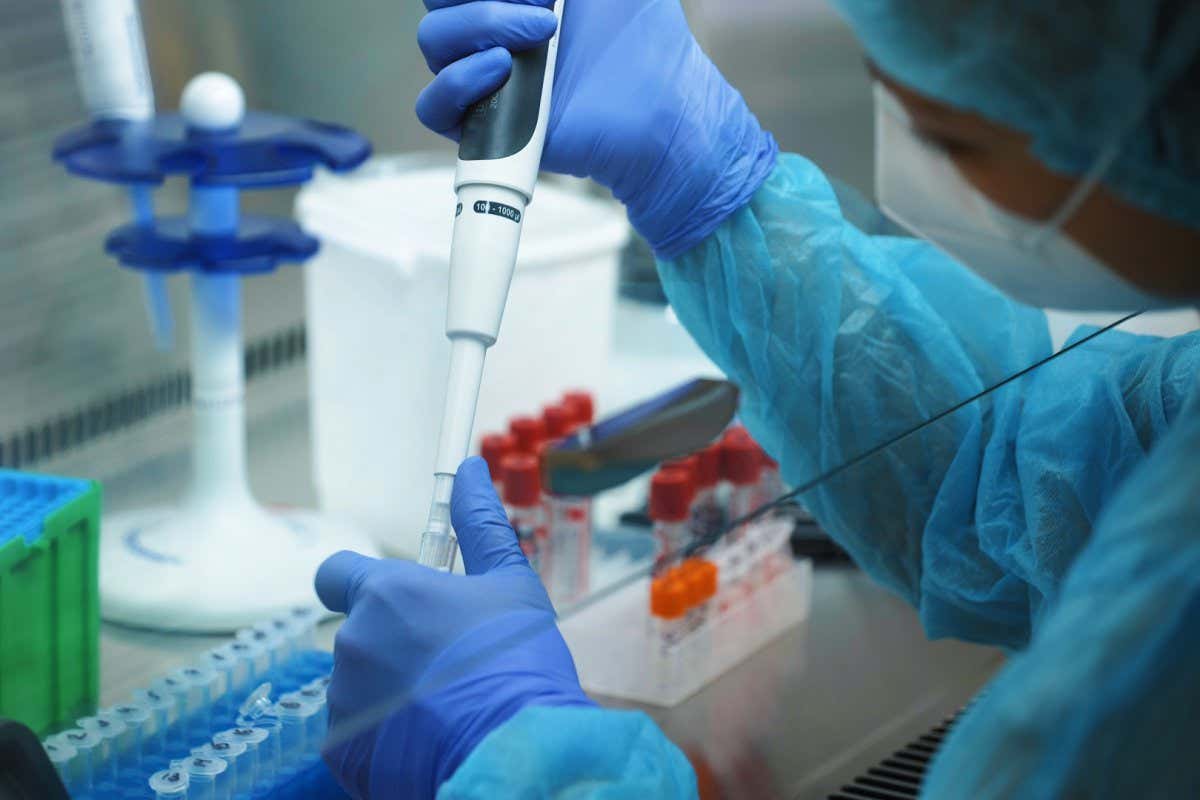
Fewer than 1 in 3 breast cancer cell studies are reproducible, according to an analysis that used a robot to partly automate experiments. This doesn’t necessarily mean the findings aren’t accurate, but could suggest that researchers need to report their work more carefully.

Reproducibility – or the ability for other researchers to replicate the results of experiments in their own labs – is a cornerstone of the scientific method, but it isn’t often put to the test. “There are unbelievable numbers of papers being published, but very…

Sign up to our weekly newsletter

Receive a weekly dose of discovery in your inbox. We'll also keep you up to date with New Scientist events and special offers.

Sign up

To continue reading, subscribe today with our introductory offers

Popular articles

Trending New Scientist articles

Piano Exit Overlay Banner Mobile Piano Exit Overlay Banner Desktop