Detecting neutrinos could tell us about the early universe Shutterstock / zorro 999
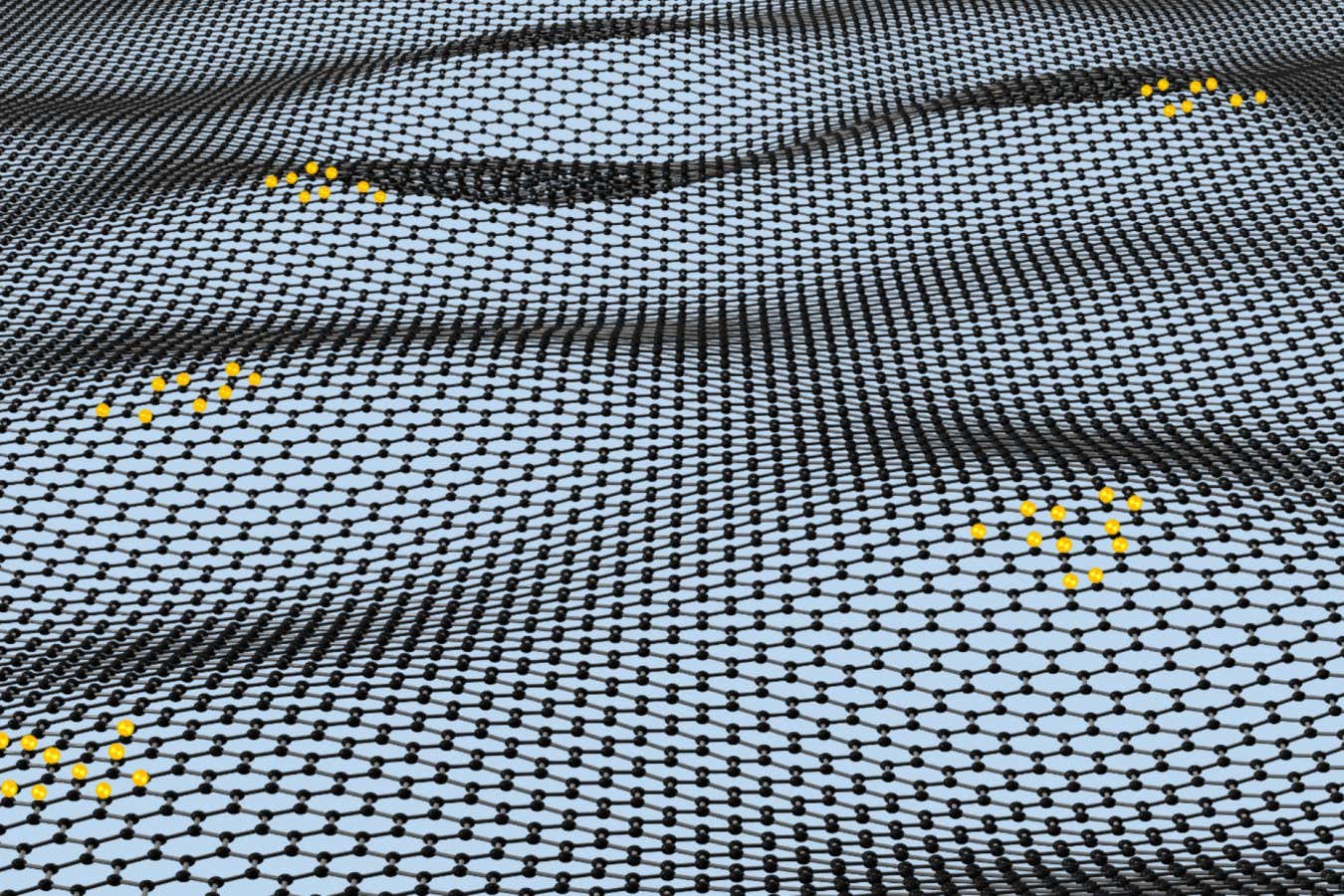
A particle detector made from extremely thin sheets of carbon may be able to spot never-before-seen neutrinos from the time of the big bang. If the design works, detecting these so-called ultra-low energy neutrinos could help us better understand the first moments of the universe.
Detecting any neutrinos is challenging because they normally move through matter without affecting it – trillions of them are passing through you right now. They are some of the most abundant particles, but they are nearly massless and don’t have electric charge.…
Article amended on 16 May 2022
We have corrected the description of what happens when neutrinos enter the detector.