Subscribe now

Life

Pobblebonk frogs have a weird trick for surviving very acidic pools

Highly acidic water usually breaks down a tadpole’s gill lining, but an Australian frog has evolved to suck in more protective calcium from the extreme ecosystem where it lives

By Jake Buehler

29 July 2022

A pobblebonk frog (Limnodynastes terraereginae) in south-east Queensland, Australia

A scarlet-sided pobblebonk frog in south-east Queensland, Australia

Ben Revell
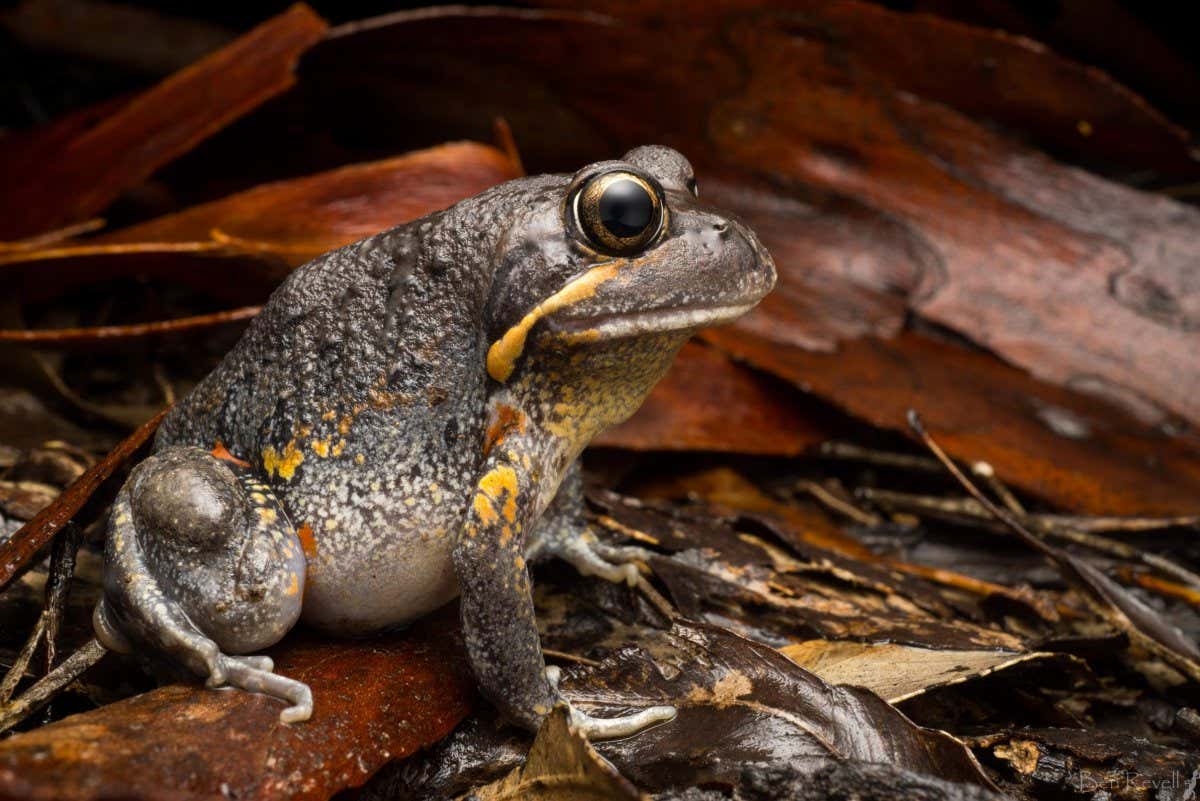
Australia’s scarlet-sided pobblebonk frog thrives in waters so acidic they should be deadly, with its tadpoles tolerating water with a pH within the range of human stomach acid. This may be thanks to the frogs’ heightened ability to draw dissolved calcium from the water into their gills, alleviating the harmful effects of the acid.

Freshwater lakes and streams typically fall into the neutral range of 6 to 8 on the pH scale. But naturally occurring highly acidic freshwater ecosystems, such as South America’s Rio Negro, are found around…

Sign up to our weekly newsletter

Receive a weekly dose of discovery in your inbox. We'll also keep you up to date with New Scientist events and special offers.

Sign up

To continue reading, subscribe today with our introductory offers

Popular articles

Trending New Scientist articles

Piano Exit Overlay Banner Mobile Piano Exit Overlay Banner Desktop