Subscribe now

Physics

Physicists found the shortest measurement to collapse a quantum state

Measuring a quantum object makes it lose its odd quantum properties, and it only takes between 0.1 billionth and 0.1 sextillionth of a second

By Karmela Padavic-Callaghan

22 September 2022

Interference and waves in a digital raster micro structure - 3D illustration; Shutterstock ID 1993243520; purchase_order: -; job: -; client: -; other: -

Quantum wave function collapse is not instantaneous

Shutterstock / peterschreiber.media
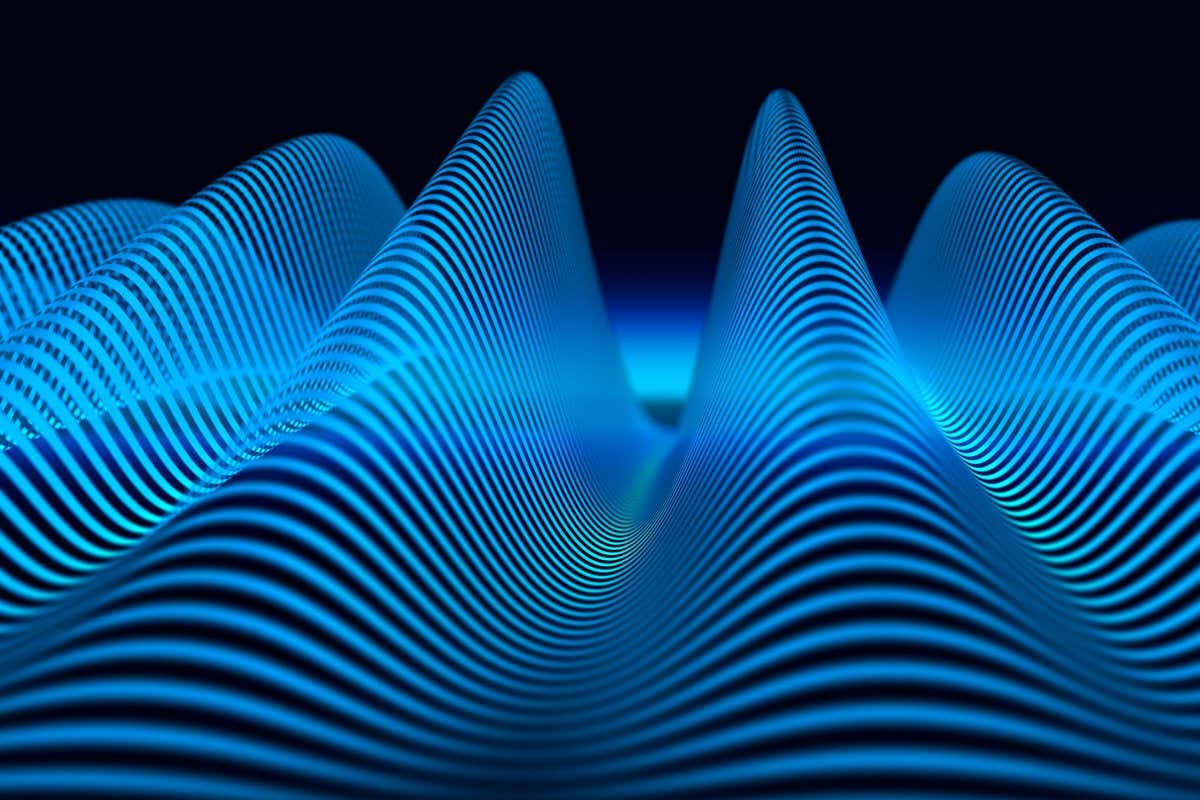
The collapse of the quantum wave function – in which quantum objects go from existing within many possible states at once to settling into a concrete one understood by classical physics – does not happen instantaneously, directly challenging a long-standing textbook understanding of quantum physics.

The most notorious example of this phenomenon is Erwin Schrödinger’s thought experiment where a cat in a box is in a quantum state of both “dead” and “alive” at the same time. Opening the box and looking at the cat – measuring the system – “collapses”…

Sign up to our weekly newsletter

Receive a weekly dose of discovery in your inbox. We'll also keep you up to date with New Scientist events and special offers.

Sign up

To continue reading, subscribe today with our introductory offers

Piano Exit Overlay Banner Mobile Piano Exit Overlay Banner Desktop