Subscribe now

Health

We may now know how childhood adversity leaves its mark on the brain

Research in mice suggests that a newly identified brain pathway may be the reason childhood adversity increases the risk of mental health issues as an adult

By Grace Wade

5 January 2023

New Scientist. Science news and long reads from expert journalists, covering developments in science, technology, health and the environment on the website and the magazine.

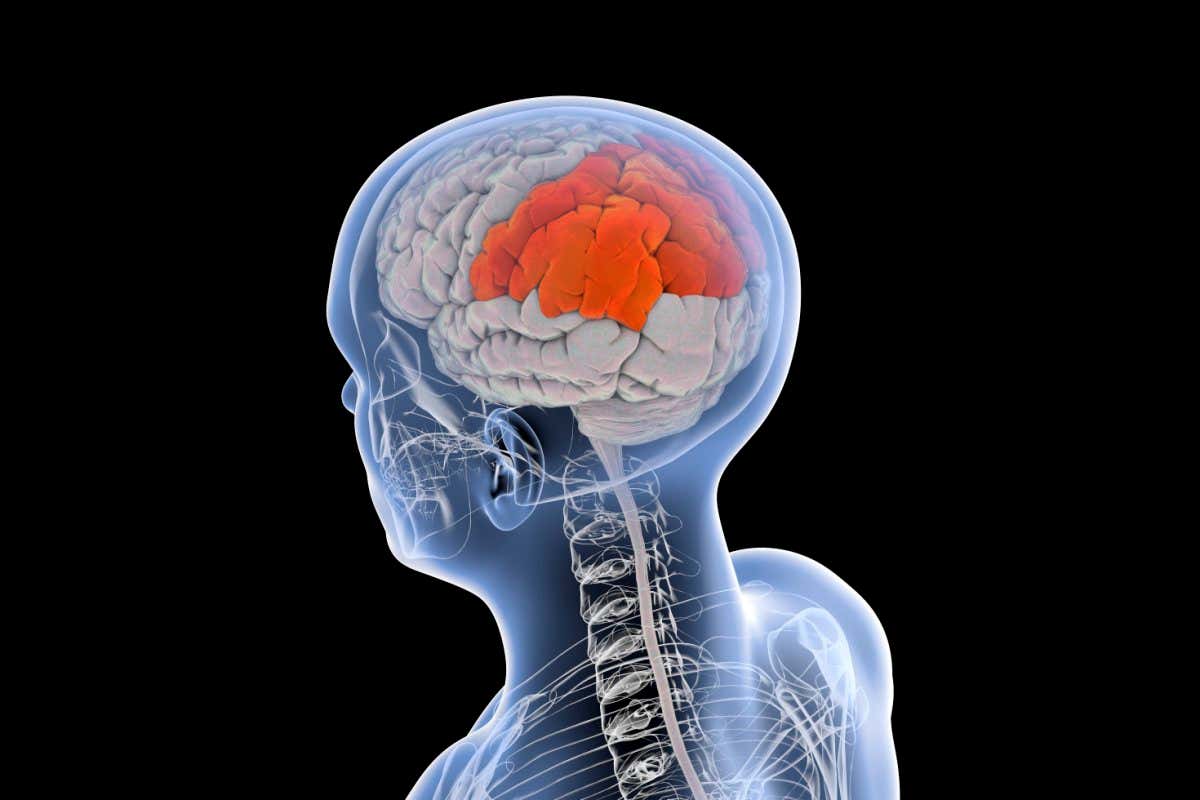
Childhood adversity can have long-lasting effects, which may be related to a newly identified brain pathway

suriyachan/Shutterstock

A newly identified brain pathway in mice could explain why experiencing hardship early in life leads to poorer mental health as an adult. If a similar pathway is found in human brains, it could be the target of future drug therapies.

During childhood, “poverty, immigration, neglect and abuse are all associated with an increased risk for mental health issues later in life, specifically depression, drug use and even suicide”, says Tallie Z. Baram at the University of California, Irvine.

The precise mechanisms underlying…
Sign up to our weekly newsletter

Receive a weekly dose of discovery in your inbox. We'll also keep you up to date with New Scientist events and special offers.

Sign up

To continue reading, subscribe today with our introductory offers

Popular articles

Trending New Scientist articles

Piano Exit Overlay Banner Mobile Piano Exit Overlay Banner Desktop