An iron ore cave in Carajás National Forest, Brazil, formerly inhabited by bats Ataliba Coelho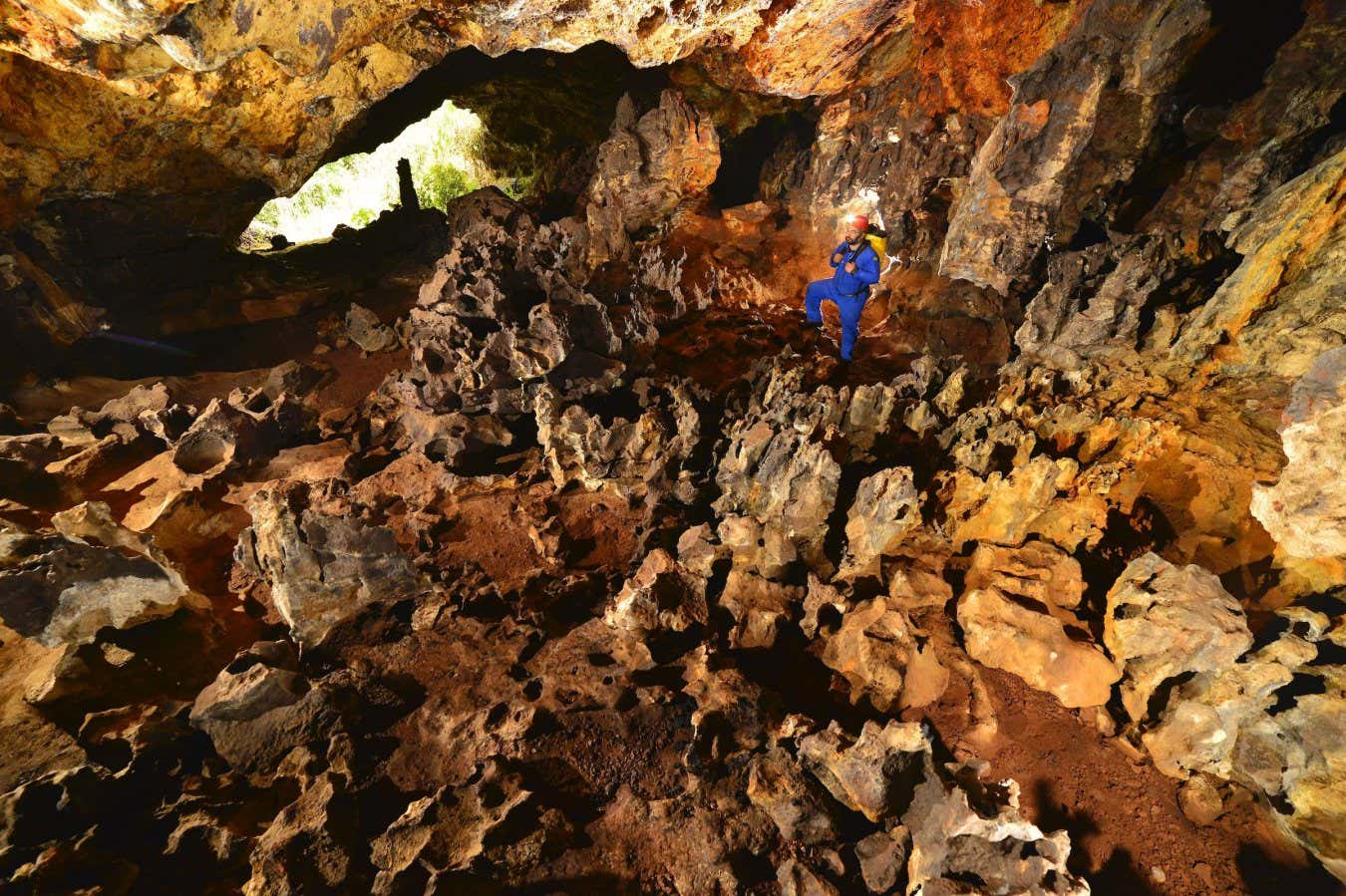
Iron ore caves where bats roost in Brazil have become much larger than caves without bats – due to the weathering effect of thousands of years of guano.
The iron-rich earth beneath the Carajás National Forest in the Brazilian Amazon hosts more than 1500 caves, only 10 of which currently house large bat populations or used to.
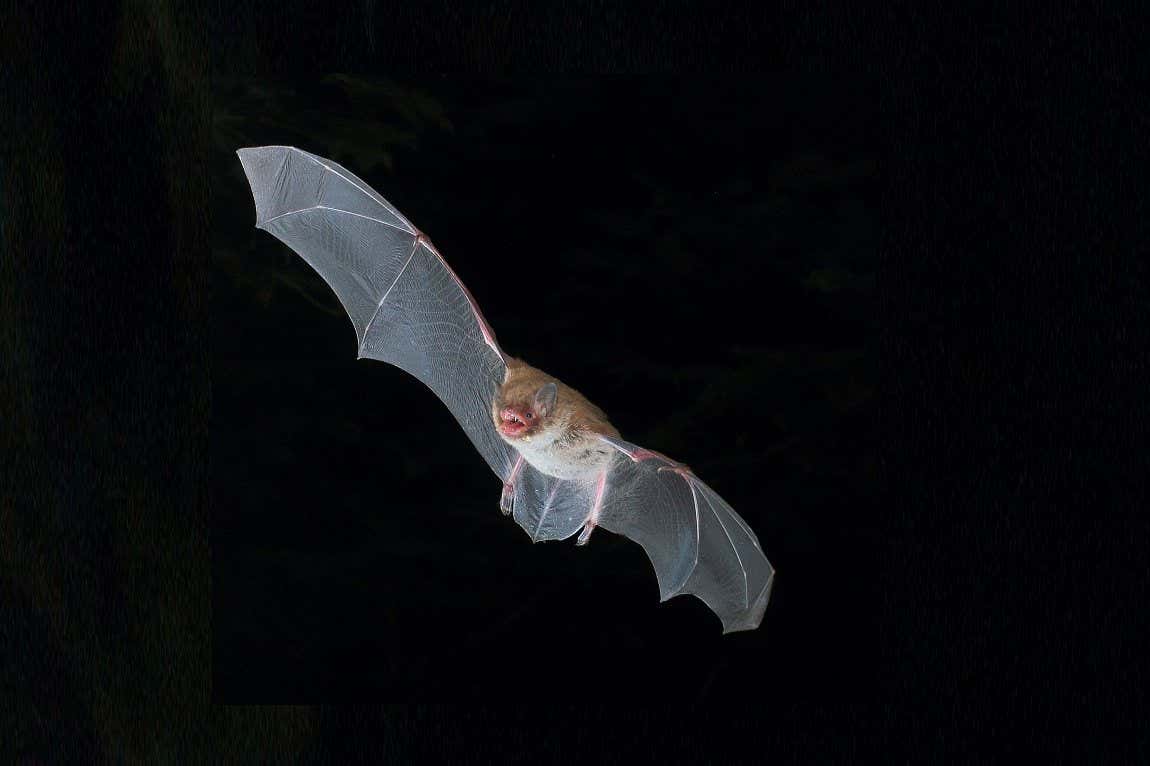
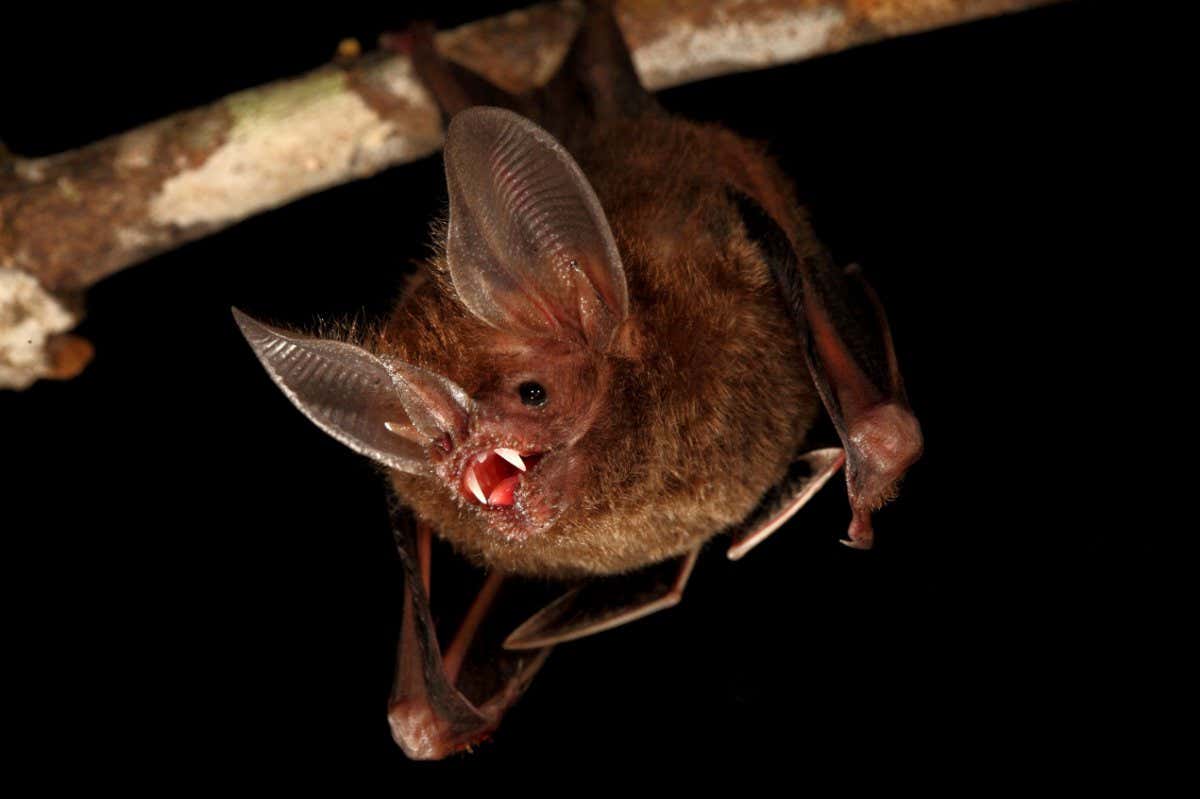
Most other cave-dwellers – such as bacteria, fungi and invertebrates like beetles and scorpions – don’t leave their underground haunts. But bats forage for fruit and insects…
Article amended on 25 May 2023
We corrected a statement about how many caves house bat populations.