Subscribe now

Space

Fastest star in the galaxy clocked at 2285 kilometres per second

Astronomers have spotted white dwarfs moving faster than any free-moving star seen before – so fast they must have been launched by supernovae

By Alex Wilkins

14 June 2023

NASA Videograb: Type Ia Supernova.This animation shows the explosion of a white dwarf, an extremely dense remnant of a star that can no longer burn nuclear fuel at its core. In this

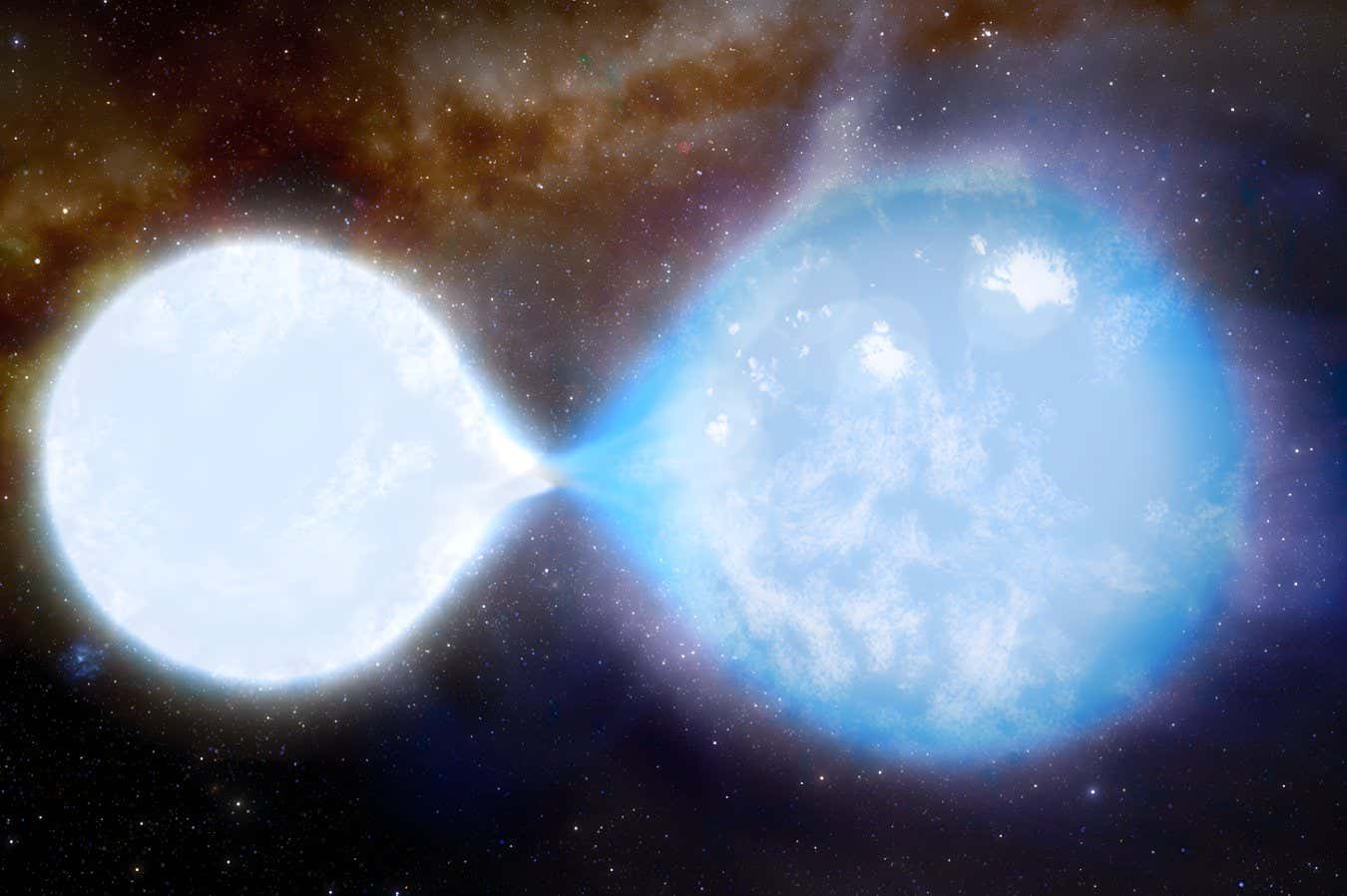
The white dwarf on the right is stealing matter from a neighbouring star. It will eventually explode as a type Ia supernova, propelling its companion away

NASA/JPL-Caltech
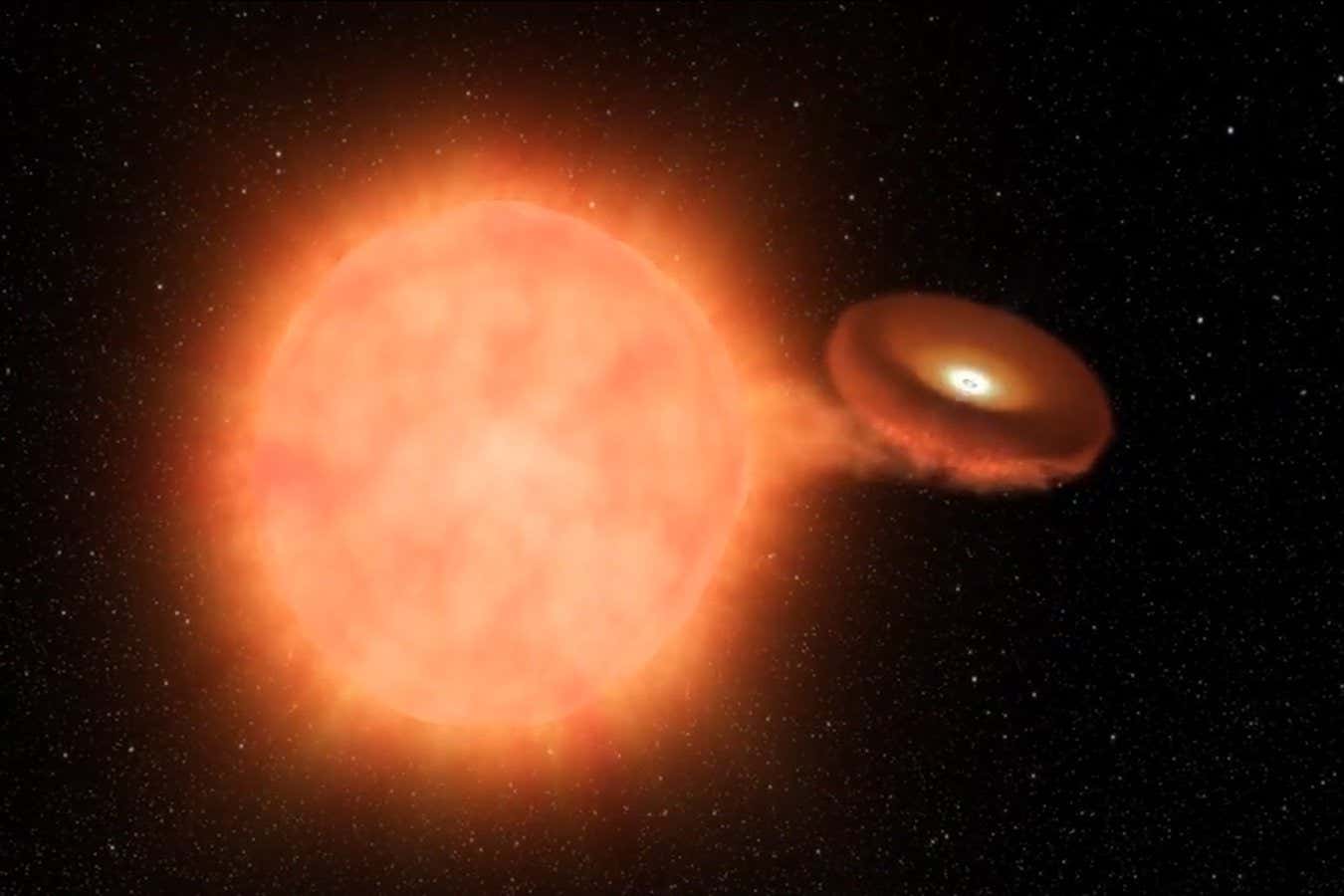
Two white dwarfs rocketing through space are the fastest free-moving stars that we know about and they could explain how some supernovae form.

Type Ia supernovae are so reliably bright that astronomers use them as measuring sticks for assessing how far away distant stars and galaxies are. These supernovae tend to occur when a white dwarf siphons off matter from a neighbouring star and starts to swell, until it eventually becomes massive enough…
Sign up to our weekly newsletter

Receive a weekly dose of discovery in your inbox. We'll also keep you up to date with New Scientist events and special offers.

Sign up

To continue reading, subscribe today with our introductory offers

Piano Exit Overlay Banner Mobile Piano Exit Overlay Banner Desktop