Subscribe now

Physics

The Great Sphinx of Giza may have been blown into shape by the wind

As rock is carved by the wind, it can take on a sphinx-like shape, meaning the Great Sphinx in Egypt may have been partly formed through natural processes

By Karmela Padavic-Callaghan

27 October 2023

Full profile of Great Sphinx

The Great Sphinx may have been partly carved into shape by the wind

Daily Travel Photos/Shutterstock
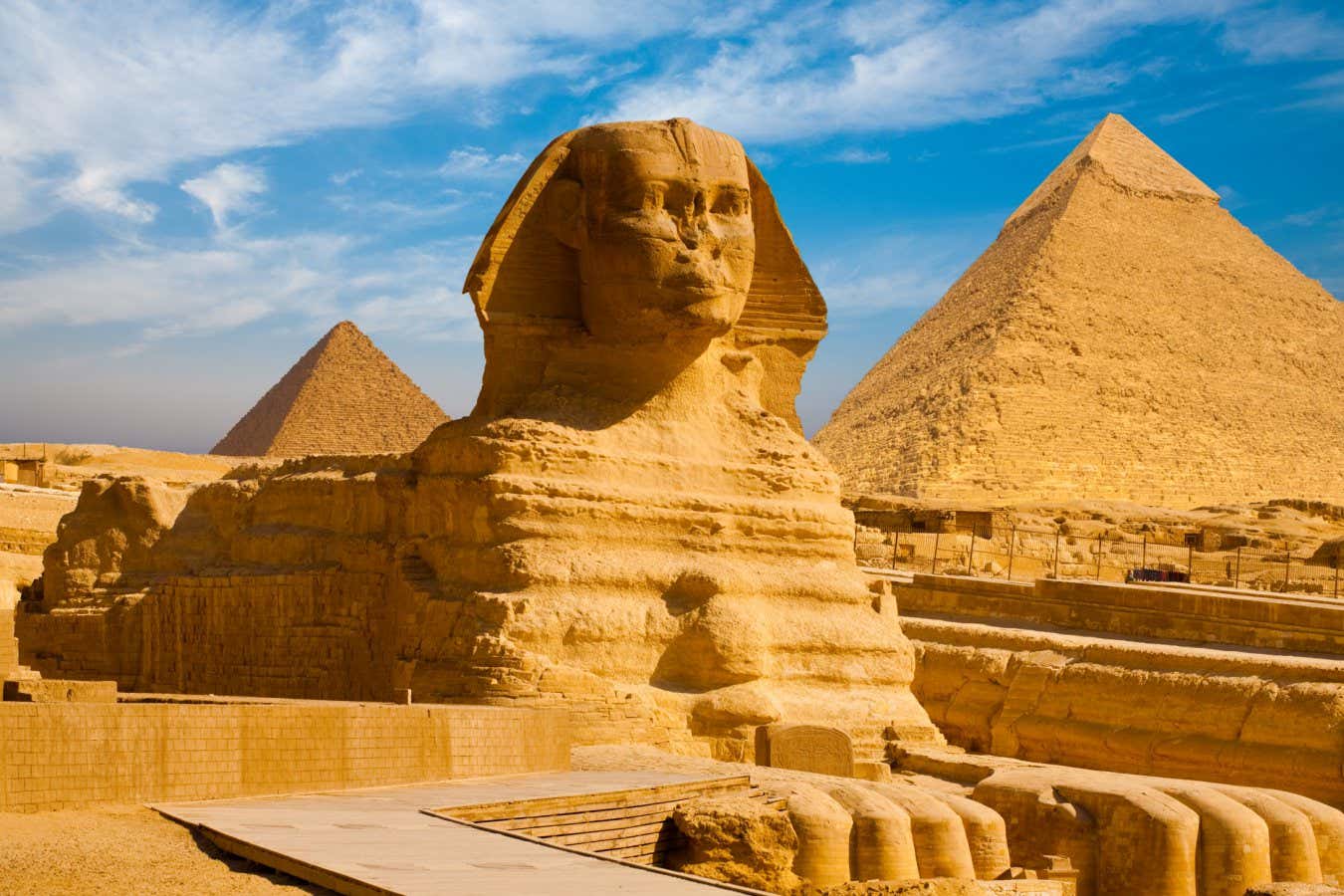
The action of wind or flowing water may be enough to carve majestic lions in repose out of rocks or clay – and it’s possible that this natural process gave a rocky outcrop in Egypt a lion-like shape that was further modified by the ancient Egyptians to create the Great Sphinx of Giza.

Writing in Smithsonian Magazine in 1981, geologist Farouk El-Baz conjectured that β€œDesert Builders Knew a Good Thing When They Saw It”. He suggested the ancient Egyptians took advantage of a…

Sign up to our weekly newsletter

Receive a weekly dose of discovery in your inbox. We'll also keep you up to date with New Scientist events and special offers.

Sign up

To continue reading, subscribe today with our introductory offers

Popular articles

Trending New Scientist articles

Piano Exit Overlay Banner Mobile Piano Exit Overlay Banner Desktop