Subscribe now

Life

Life may be less chaotic than we thought, say physicists

According to a long-standing idea, life exists at the edge of chaos, meaning it is sensitive enough to respond to small environmental changes. But an analysis of processes that occur inside cells challenges the idea

By Karmela Padavic-Callaghan

15 December 2023

Escherichia coli

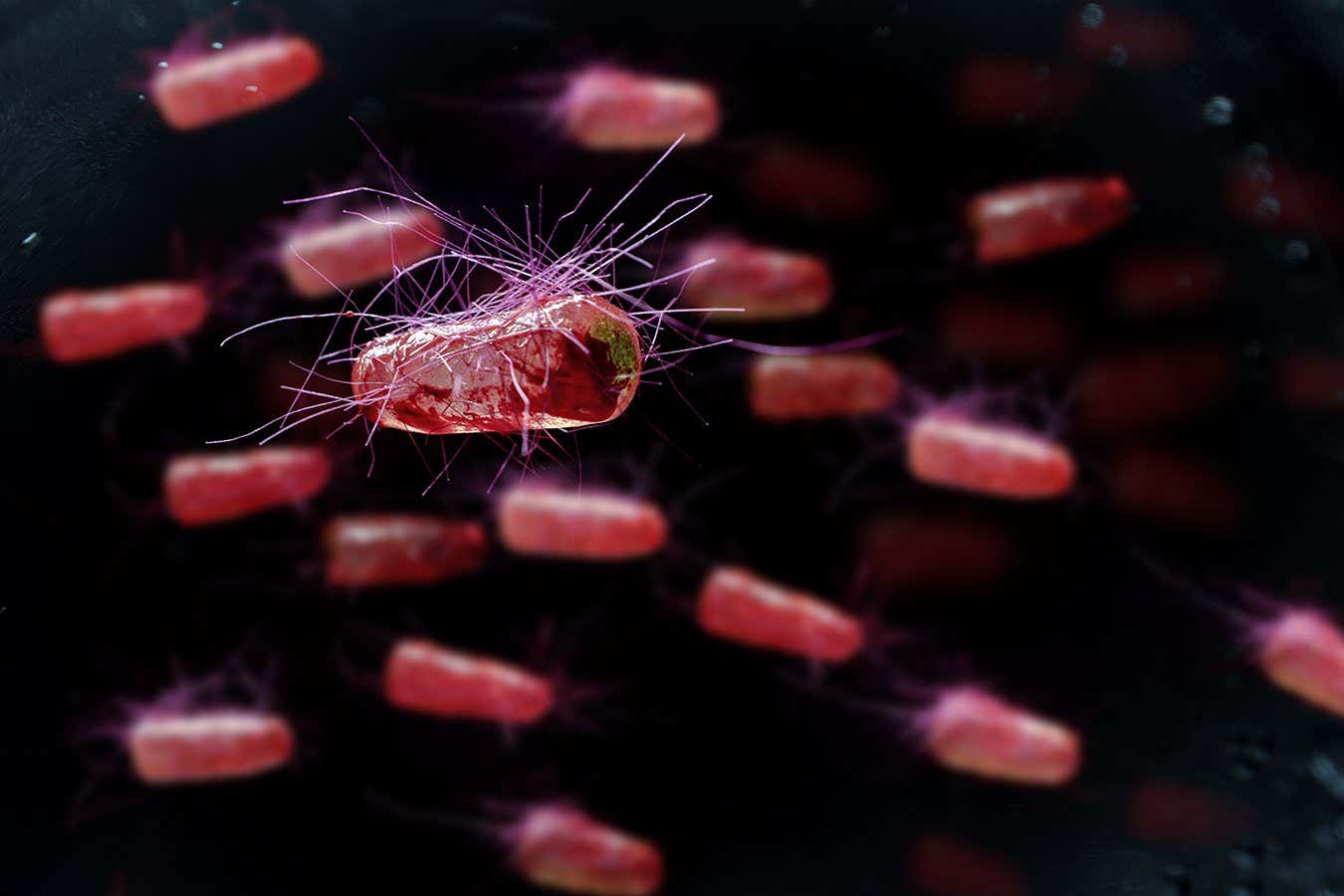
Modelling the biology of Escherichia coli bacteria suggests life is not as chaotic as we had thought

Ezume Images/Shutterstock
Life may not exist at the “edge of chaos” after all. The long-standing belief has been challenged by computer simulations of dozens of processes within cells.

A hallmark of chaotic systems is that a small disturbance can lead to an outsized effect. The famous butterfly effect offers a classic example, where a flap of an insect’s wings is proposed to cause a storm many kilometres away. Since the late 1980s, researchers have believed that life has evolved to exist…

Sign up to our weekly newsletter

Receive a weekly dose of discovery in your inbox. We'll also keep you up to date with New Scientist events and special offers.

Sign up

To continue reading, subscribe today with our introductory offers

Popular articles

Trending New Scientist articles

Piano Exit Overlay Banner Mobile Piano Exit Overlay Banner Desktop