Not a fussy eater, unfortunately for it (Image: Sfoelz/iStock)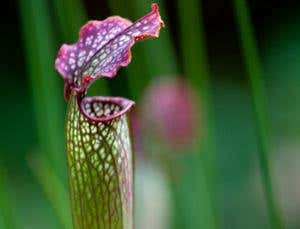
Carnivorous plants may seem able to swallow anything, but if the wrong insect comes their way they can get food poisoning.
Humans release the toxic metal cadmium into the environment by burning waste and fossil fuels. It accumulates in many species, including insects.
To see if this affected the plants, Iain Green and Christopher Moody of Bournemouth University in the UK fed white-topped pitcher plants European blowfly larvae laced with the metal.
Advertisement
The plants absorbed the cadmium, making their shoots shrink over time – possibly as it interfered with photosynthesis (Environmental Science and Technology, vol 44, p 1610). Green says this could hinder their survival. Wild insects can contain 10 times more cadmium than he tested.
However, not all pollutants seem to be harmful. Similar tests showed the plants could regulate the uptake of copper, which the plants need in low doses but can be toxic to them in high doses.
Topics: