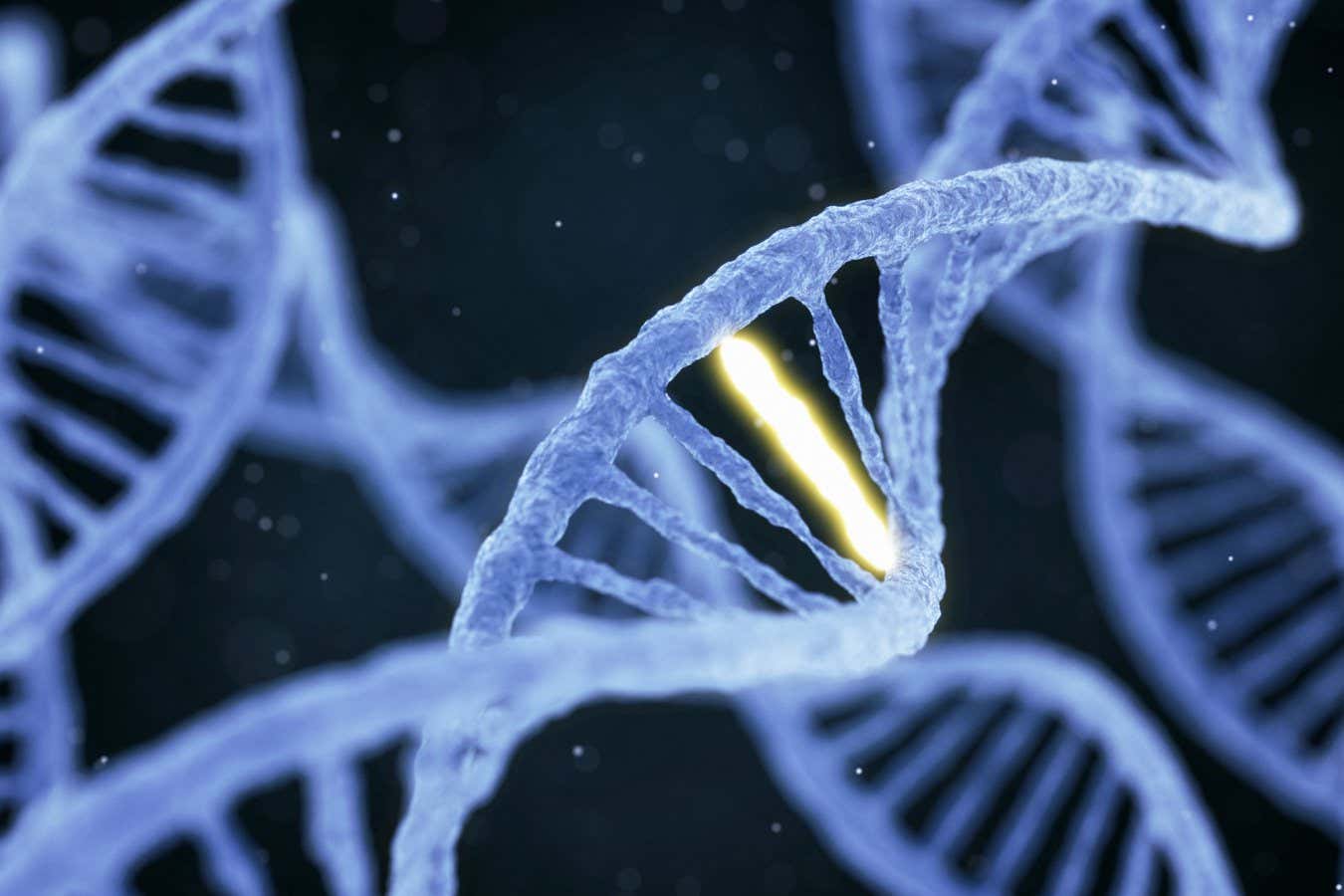
(Image: Soledad Galli, Parkinson’s UK/University College London)
This glowing blue web of neurons is usually what researchers examine when searching for a cure for Parkinson’s. But a new study, part-funded by Parkinson’s UK, hones in on the tiny yellow dots. These are the connections between brain cells known as synapses, has discovered a killer that targets these links, potentially paving the way for new treatments.
Soledad Galli at University College London and her colleagues have found that the death of synapses in mice may be due to malfunctioning proteins called Wnt proteins. “If we confirm that Wnt is involved in the early stages of Parkinson’s, this throws up exciting possibilities, not just for new treatment targets, but also for new ways to identify people with Parkinson’s early on in their condition,” says Galli.
Advertisement
Most patients currently depend on the drug levodopa, which is over 50 years old and can have severe side-effects, in addition to becoming less effective over time. Moreover, it only masks the symptoms: there is no cure for Parkinson’s and no way to stop its progression.
Journal reference: Nature Communications, DOI: 10.1038/ncomms5992
Topics: