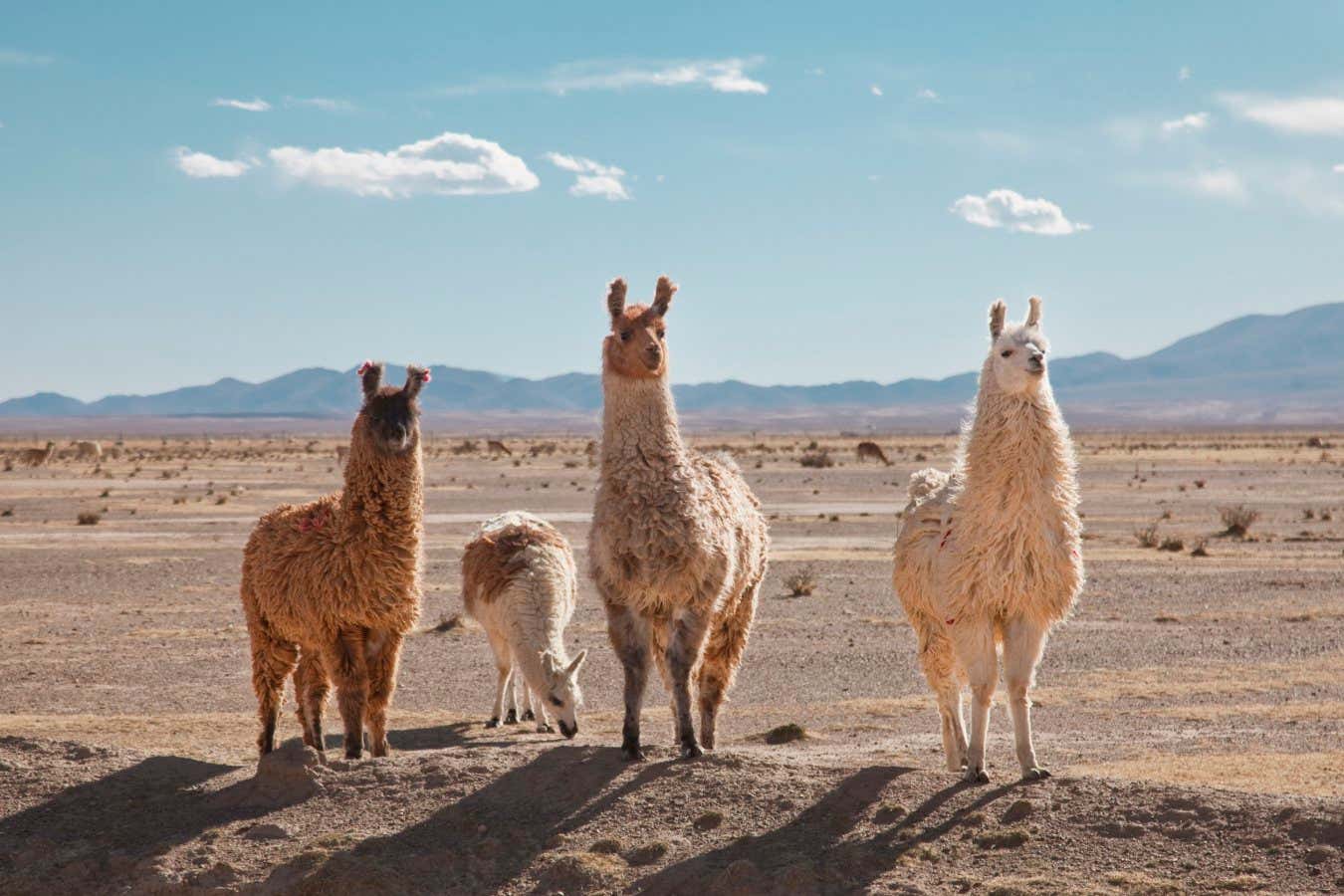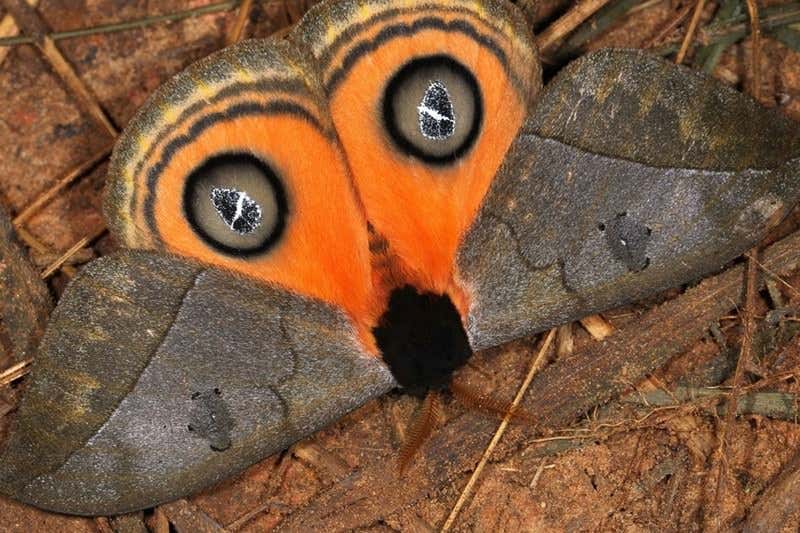
(Image: Mileniusz Spanowicz)
It’s not an owl staring at you, just a moth with fake eyes trying to look scary. Recently spotted at the Madidi National Park in Bolivia, it’s one of about 10,000 moth species thought to inhabit this protected area, considered to be the most biologically diverse in the world.
Several winged wonders have now been documented by an expedition launched by the Wildlife Conservation Society and the Bolivian government in June, which aims to find and describe unknown species at the park.
Advertisement
The moth pictured above, which is unique to the Americas, has stinging hairs on its abdomen that release a toxin on contact. Another species below, nicknamed the leopard moth for obvious reasons, has a wingspan of up to 5 centimetres.
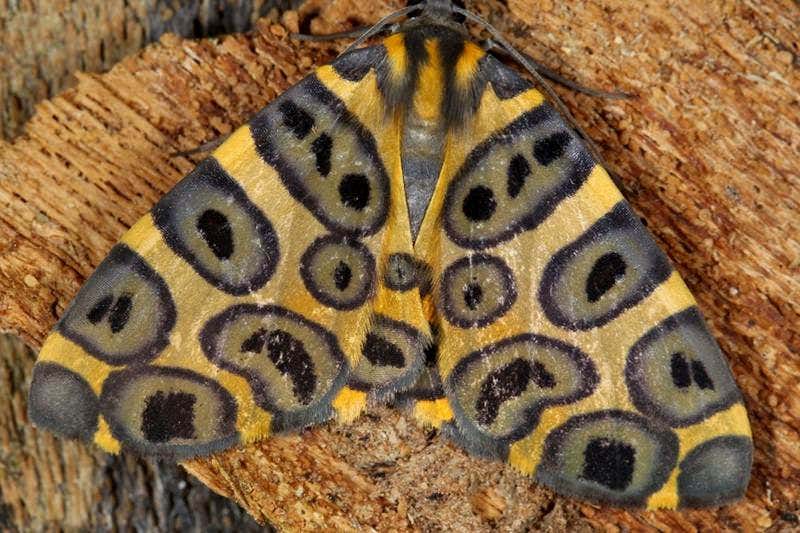
(Image: Mileniusz Spanowicz)
Many moths are masters of camouflage. The angular specimen caught on camera below, found in forested mountainous regions of South America, typically blends into its native landscape. But it may not always be effective, as new research is showing that predators can learn to see through the disguise.
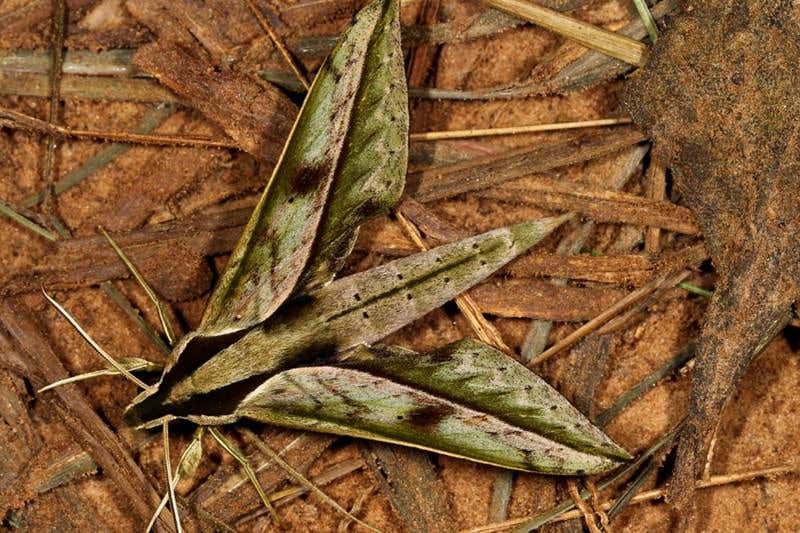
(Image: Mileniusz Spanowicz)
According to Fernando Guerra Serrudo, the expedition’s entomologist, the adults of many of these species live solely to reproduce. They have poorly developed mandibles and do not feed.
Apart from moths, the project has uncovered a new frog, three possible new types of catfish and a previously unknown lizard. The first leg of the expedition wrapped up last month and the team has now headed to higher elevations in the park.
If you live in the UK, you can take part in recording moth biodiversity from 10 to 12 September as part of Moth Night
Topics: