The Moderate Resolution Imaging Spectroradiometer (MODIS) flying onboard the Aqua satellite captured this image of Zeta on 30 December (Image: Jesse Allen/MODIS Rapid Response team/NASA)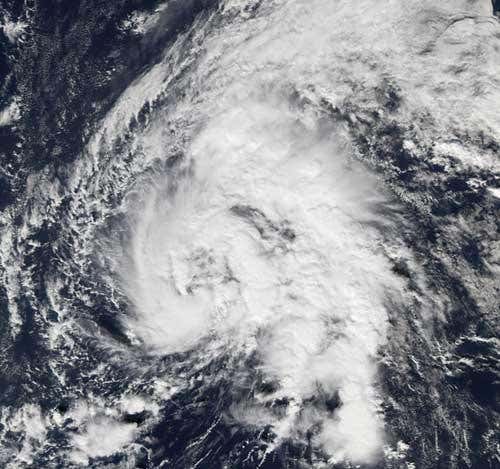
All the year-end wrap-ups which cited a record 26 tropical storms in the North Atlantic hurricane season got it wrong. On December 30, tropical storm Zeta formed in the North Atlantic, pushing the record for tropical storms to 27, six above the previous record of 21, set in 1933.
The hurricane season nominally ends November 30, but both tropical storms and hurricanes can form in December – most recently Hurricane Epsilon. Zeta is not expected to reach hurricane strength, though peak sustained winds remained high at 0900 GMT on Tuesday, at near 100 kilometres (65 miles) per hour.
Only one other tropical storm has formed this late in the year, on December 30, 1954. The US National Weather Service recognised it as a hurricane two days later and named it Alice as the first hurricane of 1955. However, later analysis revealed that Alice had in fact reached hurricane strength on 31 December.
Advertisement
At that time, the NWS used the same names for hurricanes each year, so that storm became the second Alice of 1954. It hit the Lesser Antilles on 2 January, causing about $100,000 in damage.
On Monday afternoon, Zeta was about 2335 kilometres (1450 miles) east-northeast of the northern Leeward Islands, moving slowly to the west-southwest and posing no threat to land. Forecasters expected no significant weakening of Zeta on Tuesday.