
One of the most rewarding aspects of chemistry is the ability to create new forms of matter that were previously unknown and perhaps even unsuspected. Chemists have now made, or at least identified, more than 10 million different molecules. Around 400 000 new molecules are described in chemical research journals every year. Some of them occur naturally, whereas others are synthesised in the laboratory for the first time. Sometimes, the novel creations are compounds with highly interesting and useful properties: plastics that can conduct electricity, fuels that burn cleanly, pesticides that work selectively and, of course, new pharmaceutical drugs.
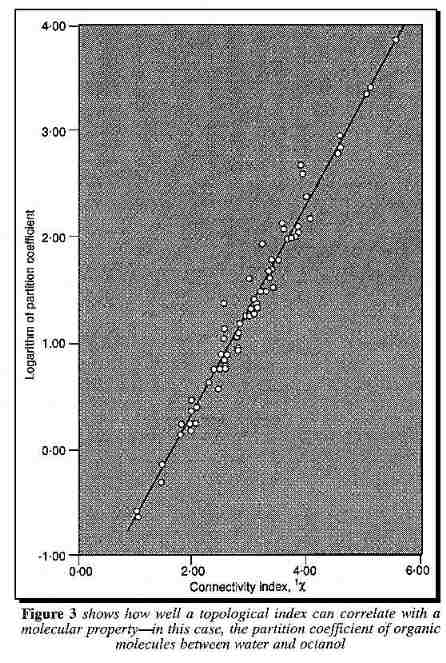
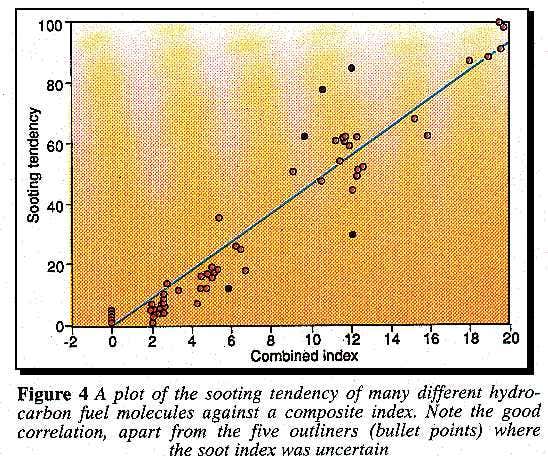
Developing such compounds can be expensive and time-consuming, however. Traditionally, it has involved making and testing thousands of chemically similar materials on a somewhat hit-or-miss basis in order to find the compound with the optimum properties. This is particularly true in the pharmaceuticals industry. Clearly, a way of knowing the properties of a chemical in advance would greatly help the chemicals industry in identifying and designing useful new materials. Chemists would like to find a short cut-a more quantitative strategy that would predict accurately the properties of a new chemical before they attempted to make it.
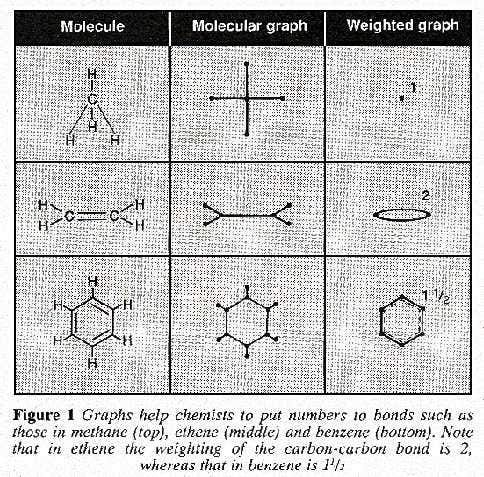
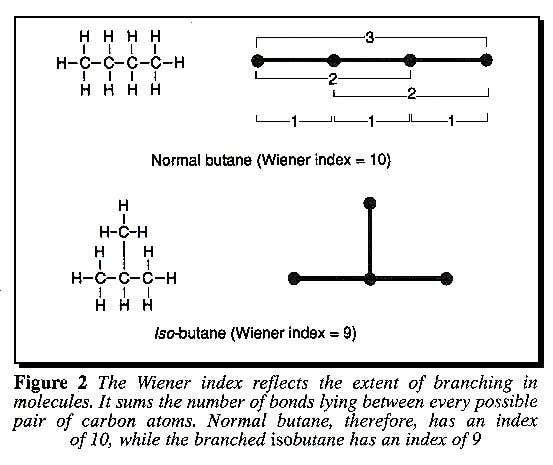
How can this be done? We might start from a compound’s molecular structure. Modern spectroscopic techniques-infrared spectroscopy and nuclear magnetic resonance in particular-have allowed us to determine precisely the structure of most known molecules. The structural information we can glean includes the number of atoms in the molecule, the kinds of atoms present, the number and types of bonds there are between the atoms, the lengths of the bonds, the arrangement of the atoms in space (the angles between bonds), and…


