Subscribe now

New Scientist. Science news and long reads from expert journalists, covering developments in science, technology, health and the environment on the website and the magazine.
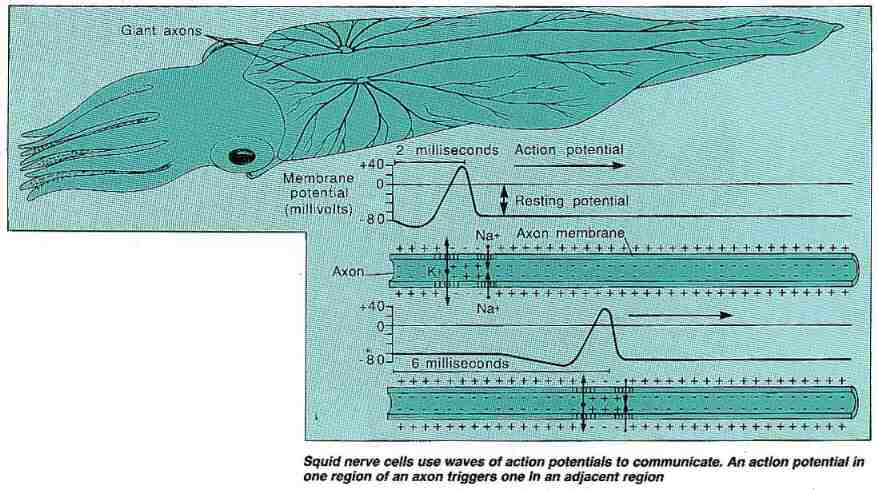
Action of a squid nerve cell
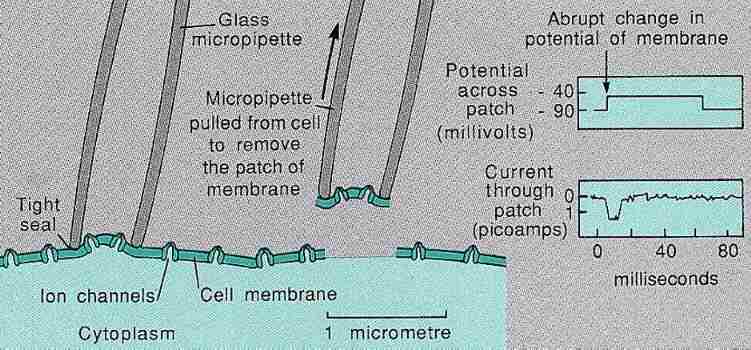
Measuring current in a cell member
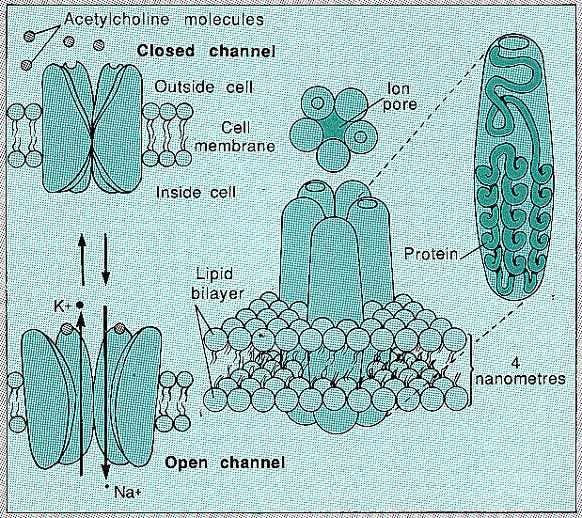
Making membrane pores from proteins

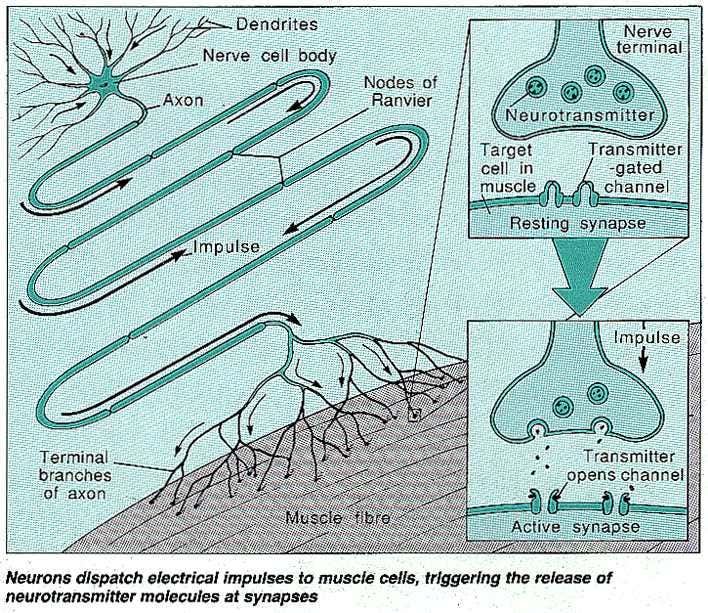
Nerves and muscle cells are controlled by electrical impulses; but how can cells be electrically active? The answer lies in special protein molecules found within cell membranes

IMAGINE you are an engineer and asked to design a communications system linking a thousand or so small computers. A tricky assignment, but with astute use of cables and optical fibres, not impossible. Now imagine that, instead of computers, you are dealing with cells whose only means of communicating is to release chemicals. On top of that, these cells number more than ten billion and are found at both central and remote locations.…


Sign up to our weekly newsletter

Receive a weekly dose of discovery in your inbox. We'll also keep you up to date with New Scientist events and special offers.

Sign up

To continue reading, subscribe today with our introductory offers

Popular articles

Trending New Scientist articles

Piano Exit Overlay Banner Mobile Piano Exit Overlay Banner Desktop