Subscribe now

Life

Conference report: Vertebrate Palaeontology

By Jeff Hecht

26 October 2005

New Scientist. Science news and long reads from expert journalists, covering developments in science, technology, health and the environment on the website and the magazine.

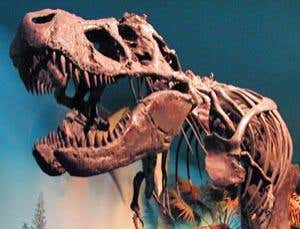
T. Rex skeleton at the Royal Ontario Museum, Toronto

(Image: Keith Schengili-Roberts, Wikimedia Commons)
See also: T. rex had an amazing sense of smell.

A BIG pair of bird-like lungs may have helped the largest dinosaurs achieve their astonishing size.

The biggest plant-eating sauropods stretched 40 metres from nose to tail, and weighed up to an estimated 100 tonnes, more than 10 times as much as the largest living elephants. How they grew to this tremendous size has remained a mystery, particularly because their small heads, and necks up to 12 metres long, would have limited how efficiently they could…
Sign up to our weekly newsletter

Receive a weekly dose of discovery in your inbox. We'll also keep you up to date with New Scientist events and special offers.

Sign up

To continue reading, subscribe today with our introductory offers

Popular articles

Trending New Scientist articles

Piano Exit Overlay Banner Mobile Piano Exit Overlay Banner Desktop