Subscribe now

Earth

Early humans died in Pompeii-like eruption

By Jeff Hecht

2 April 2008

New Scientist. Science news and long reads from expert journalists, covering developments in science, technology, health and the environment on the website and the magazine.

Nearly all human fossils older than 100,000 years have been found in isolation. Not so the remains of five early humans from around 1.8 million years ago, unearthed from an area of just 300 square metres in Dmanisi, Georgia. The question is: why were they found together?

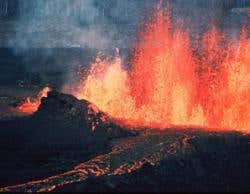
According to anthropologist Henry de Lumley of the National Museum of Natural History in Paris it’s because they were all killed when a volcano 20 kilometres west of the site erupted, smothering the group with ash. The Roman town of Pompeii was buried in a similar way in AD 79.

The Dmanisi…
Sign up to our weekly newsletter

Receive a weekly dose of discovery in your inbox. We'll also keep you up to date with New Scientist events and special offers.

Sign up

To continue reading, subscribe today with our introductory offers

Piano Exit Overlay Banner Mobile Piano Exit Overlay Banner Desktop