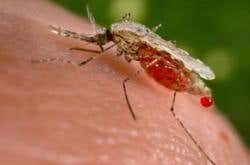
WHAT could the sex lives of algae have to do with finding a vaccine for malaria and other parasitic diseases? Quite a lot, it seems, because pond algae and the mosquito-borne Plasmodium parasite that causes malaria turn out to use the same protein to fuse their male and female gametes during sexual reproduction.
William Snell at the University of Texas Southwestern Medical Center in Dallas and colleagues discovered that gamete fusion in an alga called Chlamydomonas requires a protein called HAP2. Plasmodium also carries the HAP2 gene so Snell teamed up with malaria specialists at Imperial College London to…