Subscribe now

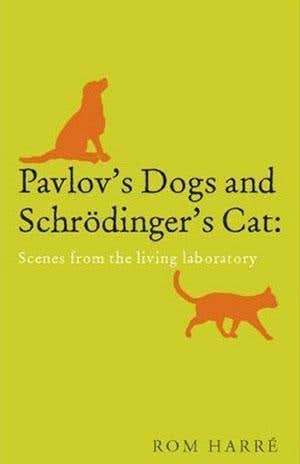
Review: Pavlov's Dogs and Schrodinger's Cat: Scenes from the living laboratory by Rom Harré

By Gail Vines

4 March 2009

New Scientist. Science news and long reads from expert journalists, covering developments in science, technology, health and the environment on the website and the magazine.

(Image: OUP)

ROM HARRÉ carefully explores the role of living things in science by way of some famous episodes, from Galvani’s experiments with frogs’ legs to Rosemary and Peter Grant’s studies of finches in the Galapagos. What’s novel is that he arranges the studies according to the logical principles of scientific reasoning. From Harré’s analytical perspective, living organisms, like the canary in the coal mine, can serve as “instruments” – as measuring devices, say, causally related to the real world. But organisms can also become “apparatus”, and act as analogies or models related conceptually to the world. Thus Pavlov’s…

Sign up to our weekly newsletter

Receive a weekly dose of discovery in your inbox. We'll also keep you up to date with New Scientist events and special offers.

Sign up

To continue reading, subscribe today with our introductory offers

More from New Scientist

Explore the latest news, articles and features

Popular articles

Trending New Scientist articles

Piano Exit Overlay Banner Mobile Piano Exit Overlay Banner Desktop