Soay sheep on St Kilda, Scotland, represent some of the earliest examples of domesticated sheep (Image: Dan Burton / Nature Picture Library/Rex)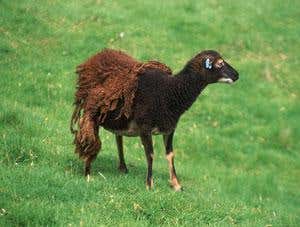
THEY may not have known about genes and Darwinism, but our ancestors knew how to drive the evolution of once-wild beasts to serve their own needs. A spate of studies published last week show how domestication suddenly gave horses coats of many colours, cows the extra genes to produce milk and fight infection – and even shrank sheep’s horns.
The studies also support what archaeologists have long argued about the domestication of wild beasts: that sheep were probably the…