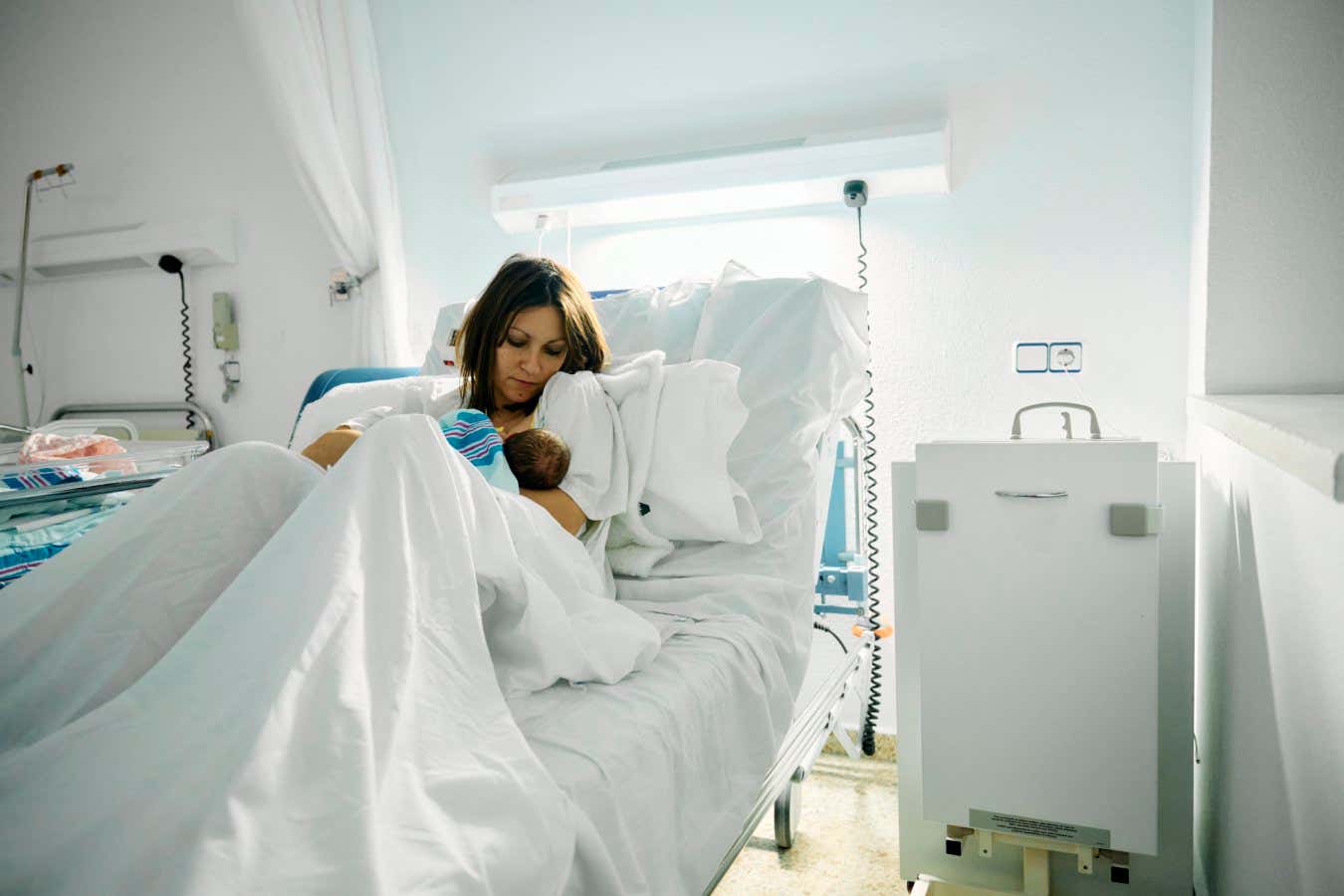
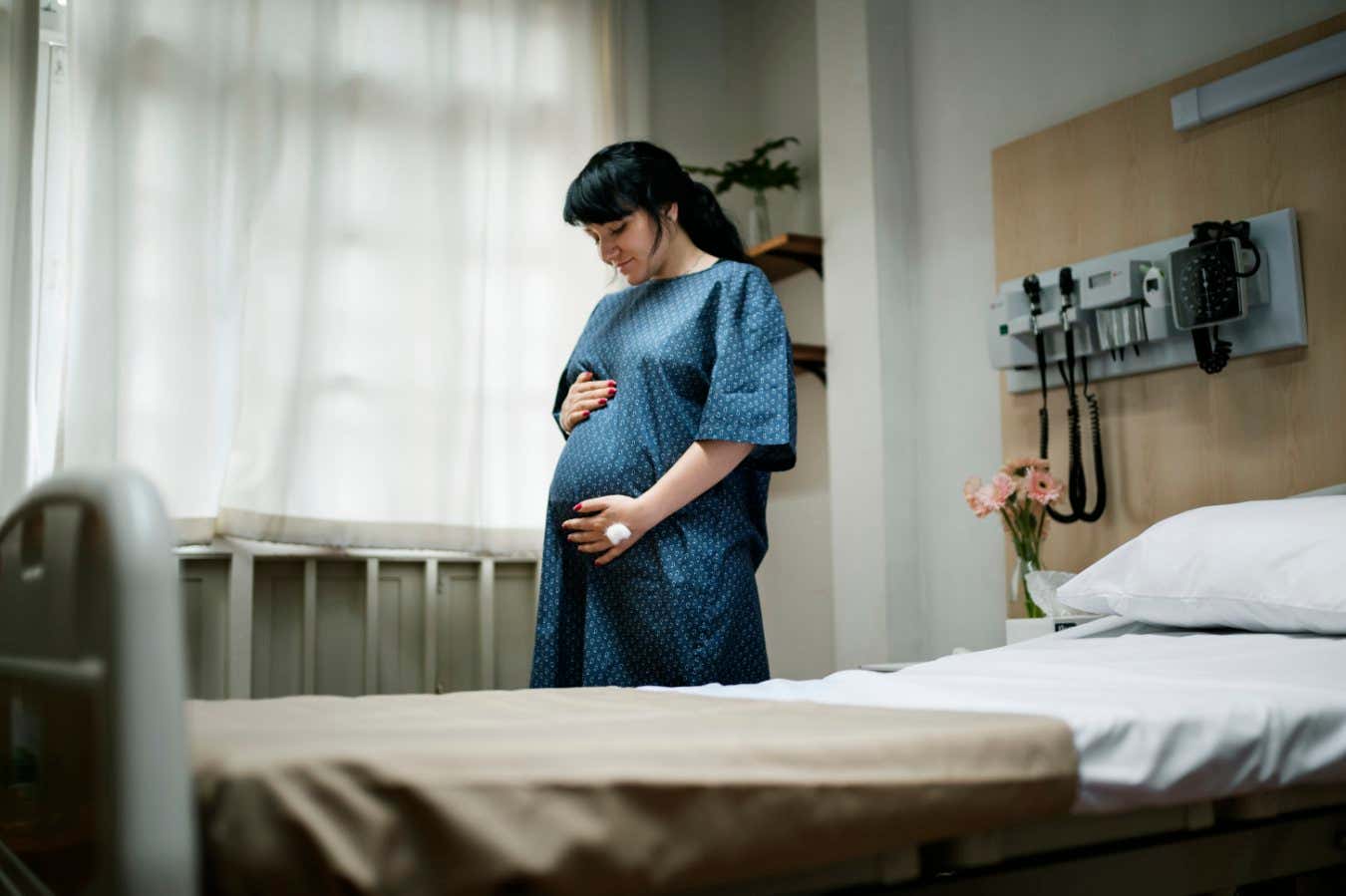
Observing the positions fetuses take in the womb could help identify pre-term babies who may have learning difficulties later in life (Image: Don Farrall/Getty)
POSTURES adopted by young babies who were born prematurely are a powerful indicator of their intelligence later in life. Observing these postures could identify individuals who should be monitored for signs of learning difficulties.
The early movements of babies are already used to predict which ones may go on to develop cerebral palsy, a physical disability caused by disruption of the nervous system. Phillipa Butcher of the Australian National University in Canberra and colleagues wondered…