Subscribe now

Health

Act early in life to close health gaps across society

By Andy Coghlan

11 February 2010

New Scientist. Science news and long reads from expert journalists, covering developments in science, technology, health and the environment on the website and the magazine.

Giving a child the best start in life

(Image: Keiji Iwai/Getty)

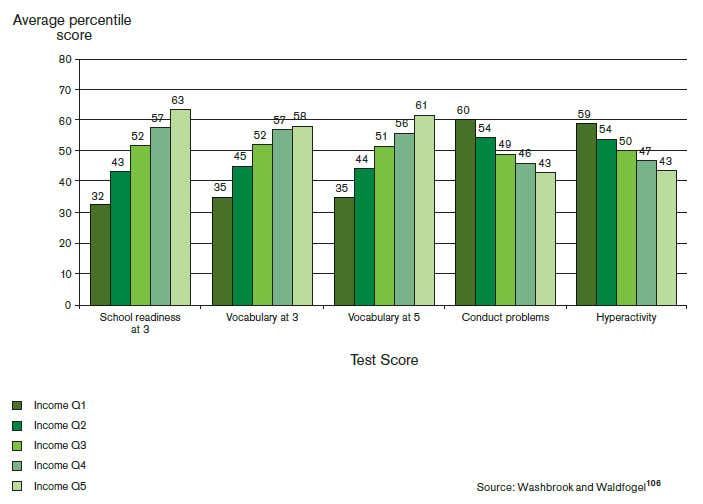
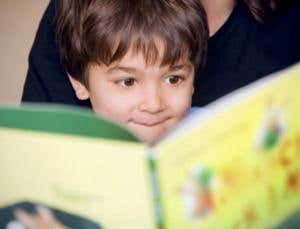
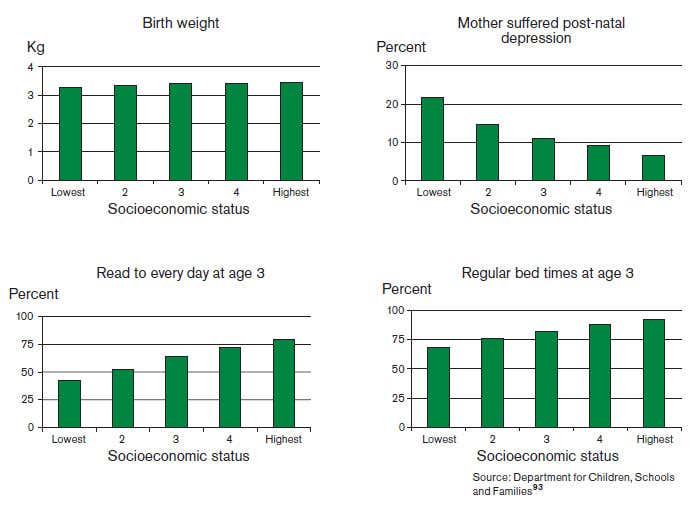
Babies from poorer babies are lighter, and their mums progressively more prone to post-natal depression, impairing bonding and emotional security. Poorer mothers are also progressively less likely to read to their children every day at age three, a vital preparation for entry to school. Finally, the richer a family, the stricter they are about bedtimes.

Babies from poorer babies are lighter, and their mums progressively more prone to post-natal depression, impairing bonding and emotional security. Poorer mothers are also progressively less likely to read to their children every day at age three, a vital preparation for entry to school. Finally, the richer a family, the stricter they are about bedtimes.

The richest children are twice as ready for school than the poorest, giving them a huge advantage. Likewise, they have vastly expanded vocabularies and fewer conduct problems.

The richest children are twice as ready for school than the poorest, giving them a huge advantage. Likewise, they have vastly expanded vocabularies and fewer conduct problems.

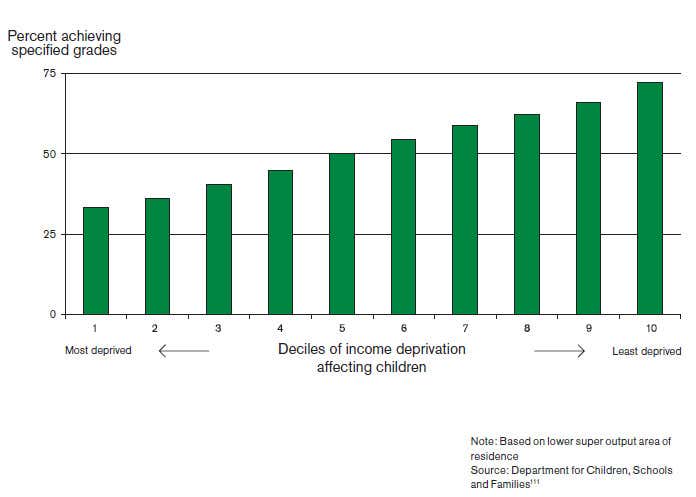
Inevitably, poorly-prepared children perform worse at school, falling even further behind.

Inevitably, poorly-prepared children perform worse at school,…
Sign up to our weekly newsletter

Receive a weekly dose of discovery in your inbox. We'll also keep you up to date with New Scientist events and special offers.

Sign up

To continue reading, subscribe today with our introductory offers

Piano Exit Overlay Banner Mobile Piano Exit Overlay Banner Desktop