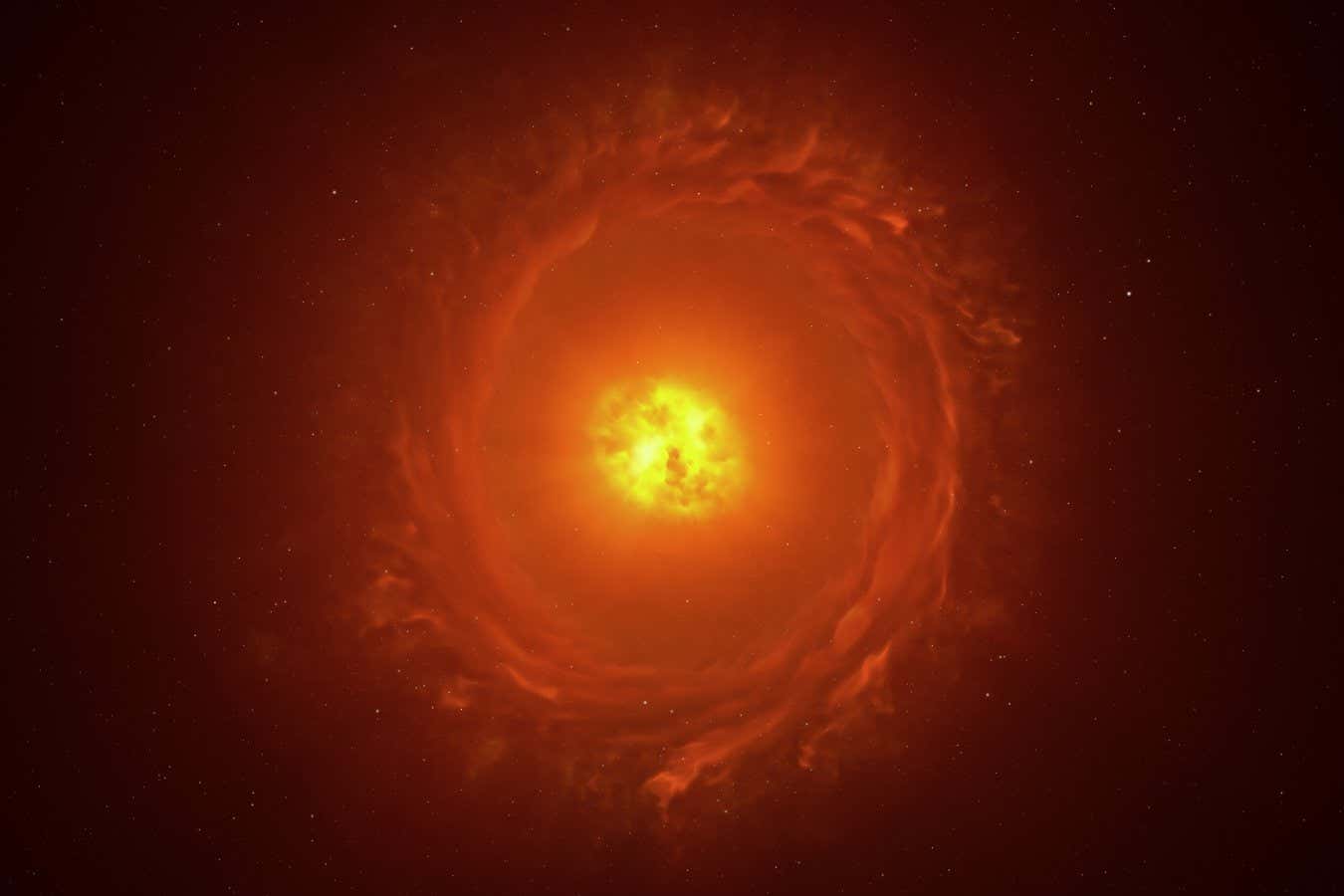
Size issues: TrES-4 is less massive but much larger than Jupiter (Image: Ignacio González Tapia/NASA)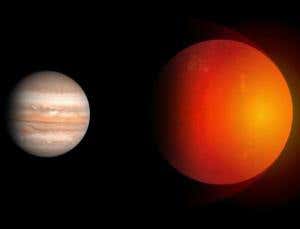
A PLANET-sized version of an electric toaster could explain why some exoplanets get so large. A related phenomenon could be responsible for keeping in check the gusting winds that form the stripes of Jupiter.
More than 150 planets have been found orbiting closer to their host stars than Mercury is to the sun. Many of these star-hugging gas giants – known as “hot Jupiters” because they can have surface temperatures of 2000 °C or more – have a similar mass to Jupiter but can…