Subscribe now

Earth

Will the anaconda or the oyster rule wave power?

By Colin Barras

3 March 2010

Video: Wave power

New Scientist. Science news and long reads from expert journalists, covering developments in science, technology, health and the environment on the website and the magazine.

Stormy waters ahead

(Image: Alex Williams/Buzz Pictures/Rex Features)

The Oyster in operation in 2009.  The Oyster is designed as a simple mechanical hinged flap connected to the seabed at around 10m depth. Each passing wave moves the flap, driving hydraulic pistons to deliver high pressure water via a pipeline to an onshore electrical turbine.

The Oyster in operation in 2009. The Oyster is designed as a simple mechanical hinged flap connected to the seabed at around 10m depth. Each passing wave moves the flap, driving hydraulic pistons to deliver high pressure water via a pipeline to an onshore electrical turbine.

(Image: Aquamarine Power)

The Oyster is aptly named

The Oyster is aptly named

(Image: Aquamarine Power)

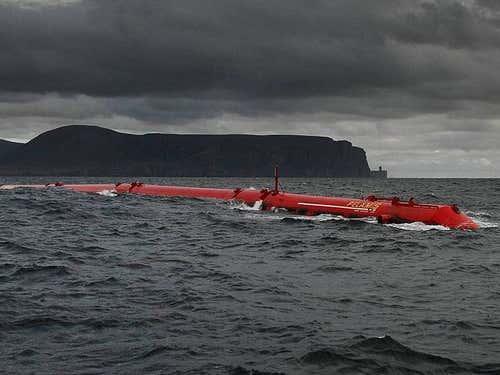
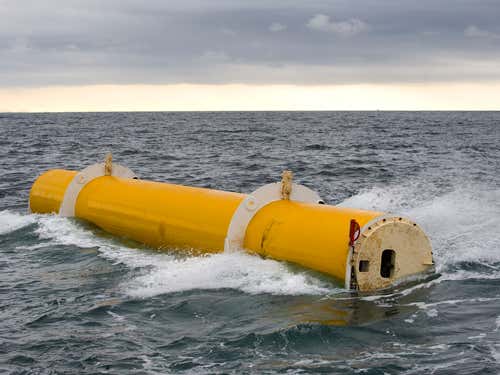
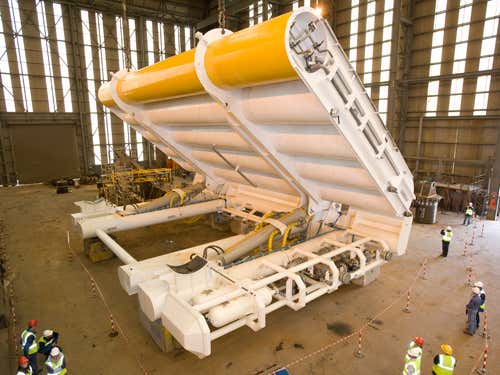
The Pelamis Wave Energy Converter is a snake-like design that bends and flexes to the motion of the waves.  This movement drives a hydraulic system that powers a generator to produce electricity

The Pelamis Wave Energy Converter is a snake-like design that bends and flexes to the motion of the waves. This movement drives a hydraulic system that powers a generator to produce electricity…
Sign up to our weekly newsletter

Receive a weekly dose of discovery in your inbox. We'll also keep you up to date with New Scientist events and special offers.

Sign up

To continue reading, subscribe today with our introductory offers

Piano Exit Overlay Banner Mobile Piano Exit Overlay Banner Desktop