Subscribe now

Natural experiments: Working in the history lab

By Jared Diamond and James A. Robinson

24 March 2010

New Scientist. Science news and long reads from expert journalists, covering developments in science, technology, health and the environment on the website and the magazine.

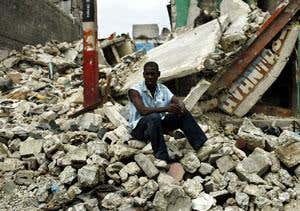
The origins of Haiti’s inability to rally when the earthquake struck can be traced back centuries

(Image: Sipa Press/Rex Features)
SOMETIME around AD 1600, Galileo Galilei is supposed to have climbed to the top of the leaning tower of Pisa and dropped two cannonballs of different sizes and weights over the edge. The point was to test Aristotle’s hypothesis that the speed at which objects fall would be proportional to their weight. If Aristotle was correct, a cannonball 10 times as heavy as another would fall 10 times as fast.

Galileo, in fact, believed that in the absence of air…

Sign up to our weekly newsletter

Receive a weekly dose of discovery in your inbox. We'll also keep you up to date with New Scientist events and special offers.

Sign up

To continue reading, subscribe today with our introductory offers

Piano Exit Overlay Banner Mobile Piano Exit Overlay Banner Desktop