The comet was considered a bad omen in 1066 (Image: Mary Evans/Alamy)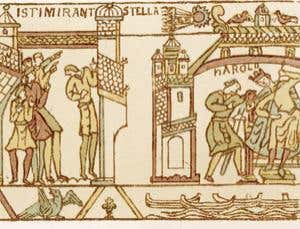
A CELESTIAL event in the 5th century BC could be the earliest documented sighting of Halley’s comet – and it marked a turning point in the history of astronomy.
According to ancient authors, from Aristotle onwards, a meteorite the size of a “wagonload” crashed into northern Greece sometime between 466 and 468 BC. The impact shocked the local population and the rock became a tourist attraction for 500 years.
The accounts describe a comet in the sky when the meteorite fell. This has received little attention, but the timing…