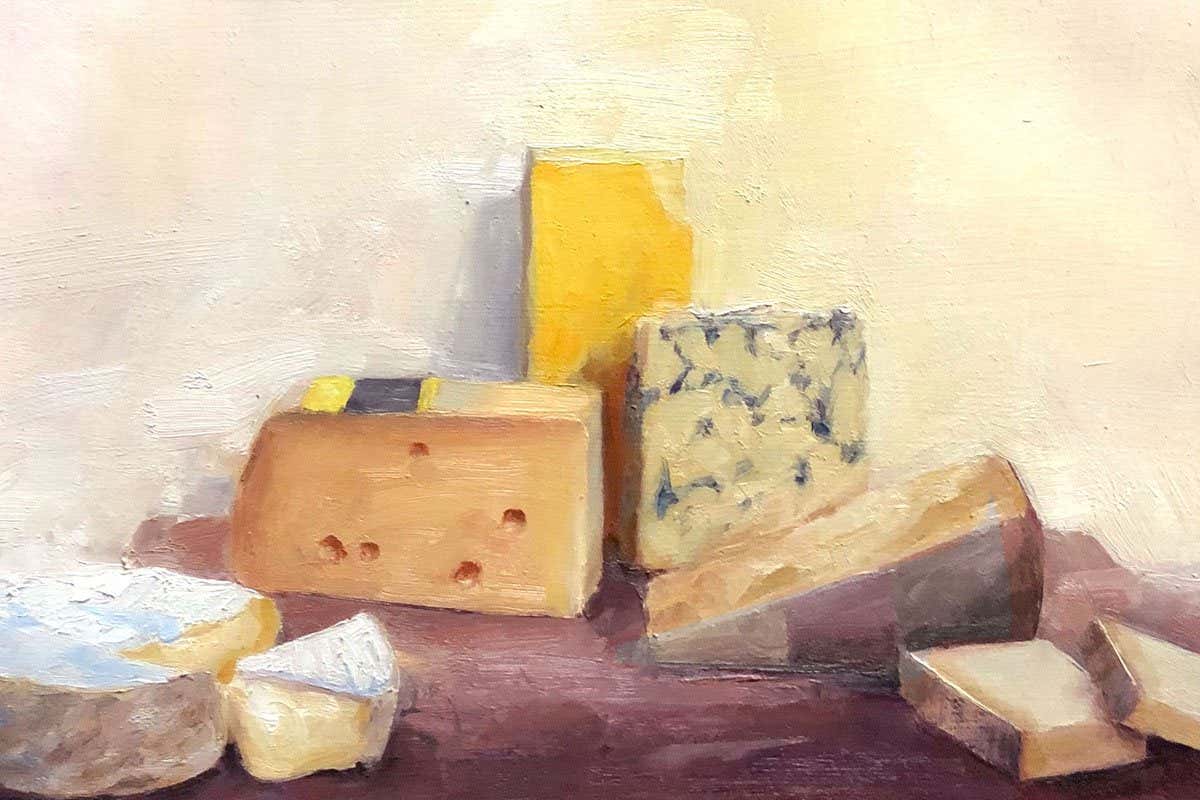
How much do you want it? (Image: Nicolas Raymond/stock.xchng)
Win big at the office party with game theory as your guide
WHEN it comes to Christmas presents, do you give as good as you get? Most people think they do. Even President Barack Obama is on record saying he goes one better. “Here’s the general rule: I give nicer stuff than I get,” he told Oprah Winfrey in a hard-hitting pre-Christmas interview last year.
That may seem ungrateful, but consider the implications. Most people believe that the gifts they get are not as good as the ones they give. No wonder Christmas is so often a crushing disappointment.
There is a better way: abandon the ritual of mutual gift-giving in favour of a much more rational system called secret Santa. The beauty of this is that you only have to buy one present for each social circle you belong to, rather than one for everyone you know.
In the original version of secret Santa each member of a group – colleagues, say – is anonymously assigned to buy a gift for another and give it to them at the Christmas party. How sweet. Thankfully, that game has evolved into something more Machiavellian: thieving Santa, also known as dirty Santa or the Grinch game. As its name suggest, this revolves around theft and dirty tricks.
In its simplest version, everybody buys a present costing between, say, £10 and £20. They then secretly deposit it, gift-wrapped, into a sack. To start the game, numbers are drawn out of a hat to decide the order of play.
Now the horse-trading begins. The first player…