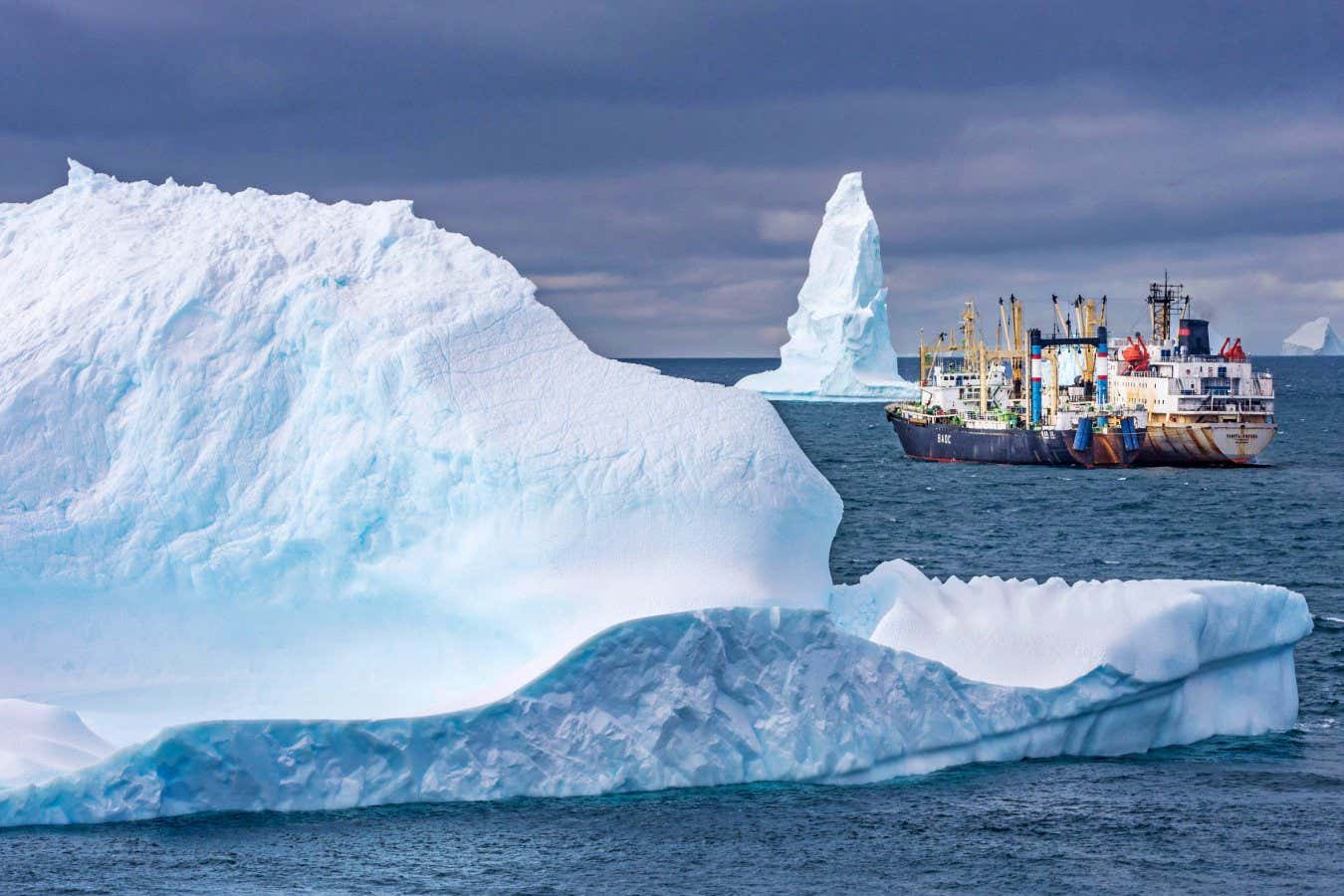
On the up (Image: Gordon Wiltsie/NGS)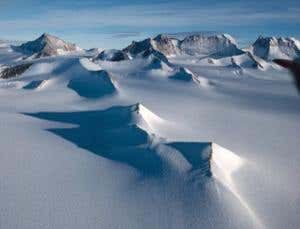
ANTARCTICA is rising like a cheese soufflé: slowly but surely. Lost ice due to climate change and left-over momentum from the end of the last big ice age mean the buoyant continent is heaven-bound.
Donald Argus of NASA’s Jet Propulsion Laboratory in Pasadena, California, and colleagues used 15 years of GPS data to show that parts of the Ellsworth mountains in west Antarctica are rising by around 5 millimetres a year (Geophysical Research Letters, DOI: 10.1029/2011gl048025). Elsewhere on the continent, the rise is slower.
A faster rise has been seen in Greenland, which is thought to be popping up by 4 centimetres a year.
Advertisement
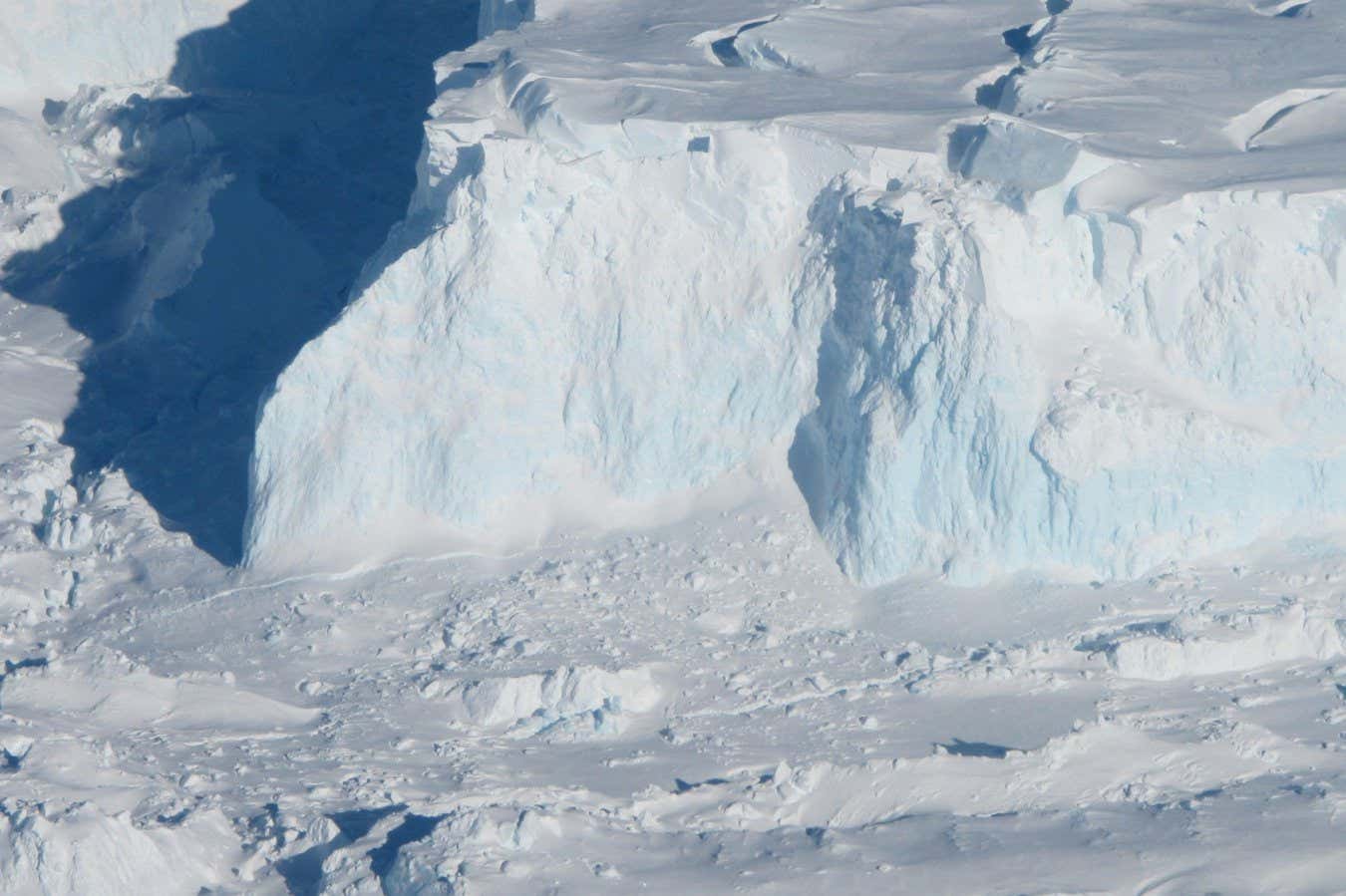
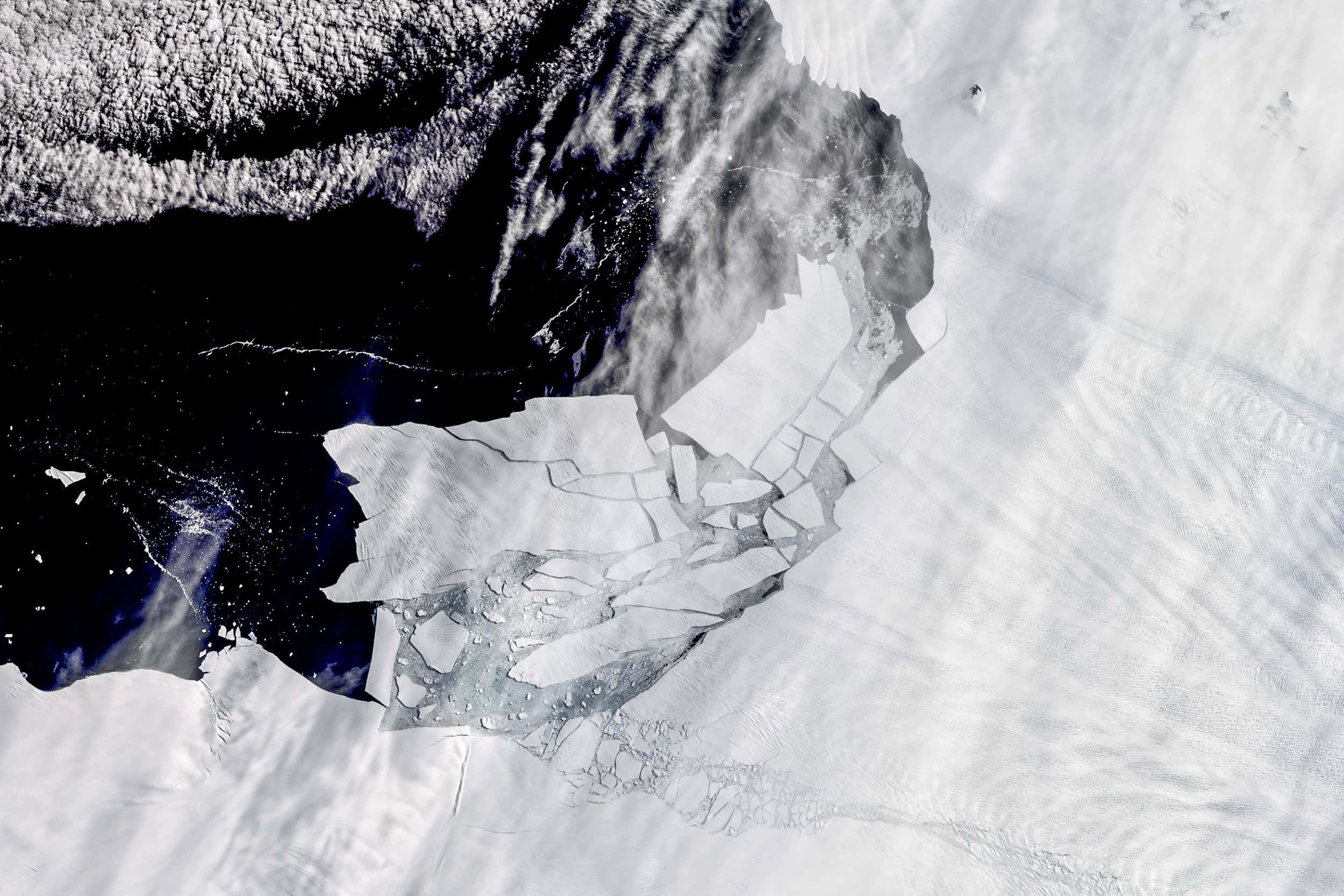
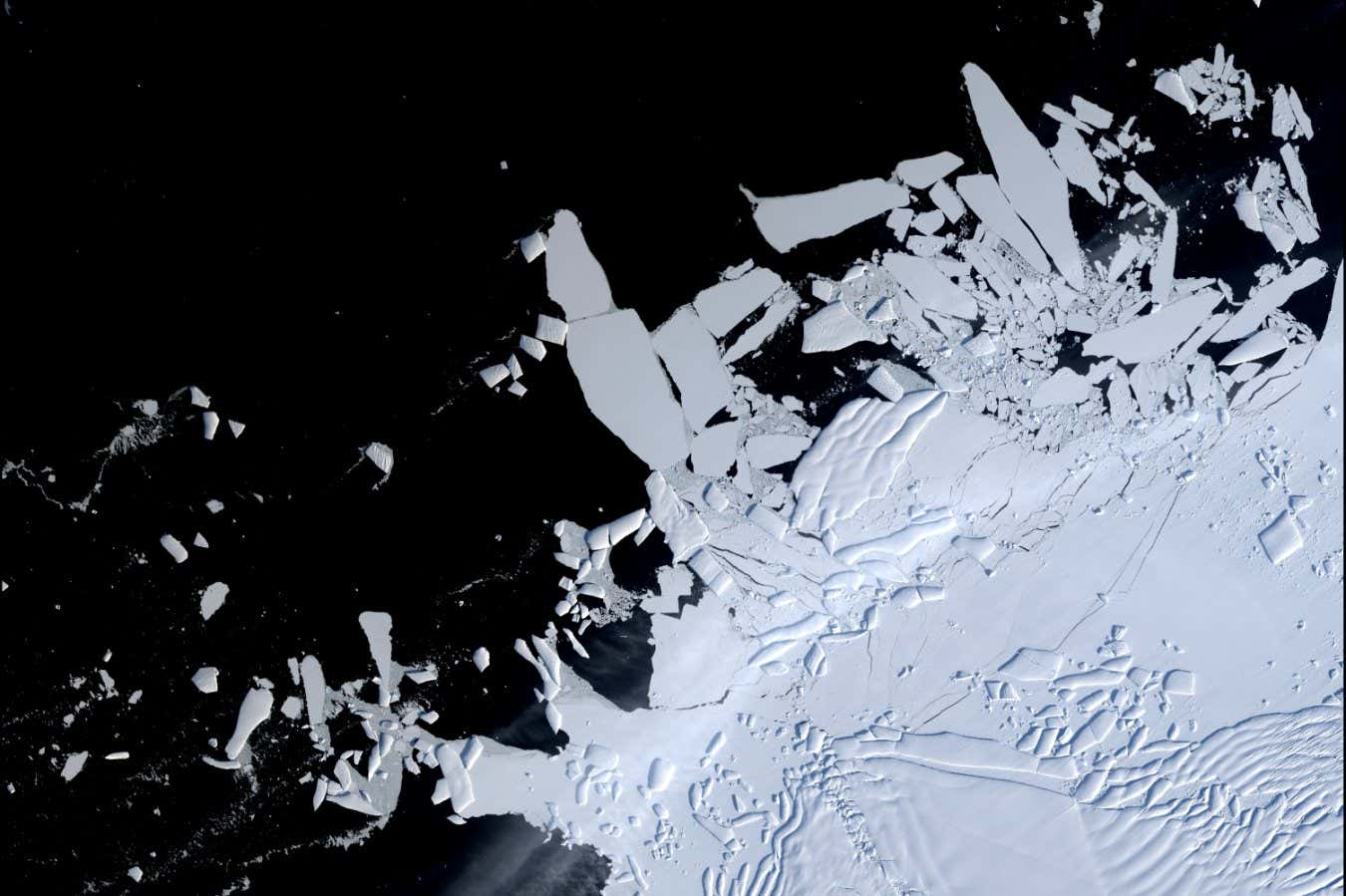
Ongoing climate change could be partly to blame: Antarctica is losing about 200 gigatonnes of ice per year, and for Greenland the figure is 300 gigatonnes. Earth’s continents sit on viscous magma, so the effect of this loss is like taking a load off a dense foam mattress.
But there is another possible contributor. “The Earth has a very long memory,” says Argus. As a result, “there is also a viscous response to ice loss from around 5000 to 10,000 years ago going on”.
Despite this effect, the known ice loss at both poles suggests that embedded in the local rises is a signal of current climate change – researchers just have to tease it out.
Topics: