Subscribe now

Health

Rules of death: When the end is not what it seems

The life-saving treatment of therapeutic hypothermia is calling into question the guidelines doctors use to determine brain death

By Linda Geddes

5 October 2011

New Scientist. Science news and long reads from expert journalists, covering developments in science, technology, health and the environment on the website and the magazine.

In the balance

(Image: Antoine Rosset/Science Photo Library)
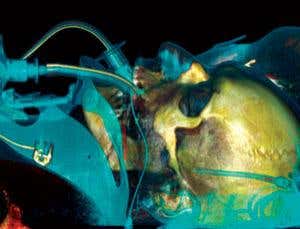
IT’S a nightmarish scenario: a 55-year-old man, pronounced dead after a cardiac arrest, is minutes away from organ donation when he begins to show signs of life. “On being moved to the operating room table, the anaesthetist noticed that he was coughing,” says neurologist Adam Webb of Emory University School of Medicine in Atlanta, Georgia, who initially pronounced the man brain dead.

It transpired that the man had also regained corneal reflexes and was breathing – both signs of a functioning brainstem. Although the man later died, his case has reignited a…


Sign up to our weekly newsletter

Receive a weekly dose of discovery in your inbox. We'll also keep you up to date with New Scientist events and special offers.

Sign up

To continue reading, subscribe today with our introductory offers

Popular articles

Trending New Scientist articles

Piano Exit Overlay Banner Mobile Piano Exit Overlay Banner Desktop
