Saturn’s rings are actually bumpy (Image: JPL/Space Science Institute/NASA) Moons gliding past the planet’s icy rings trigger the formation of mountain-sized snowballs that might become new satellites (Image: JPL/Space Science Institute/NASA)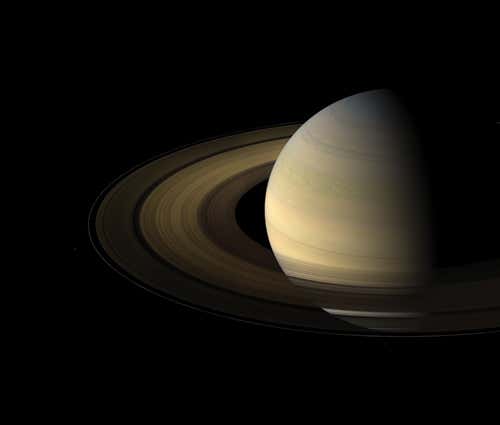
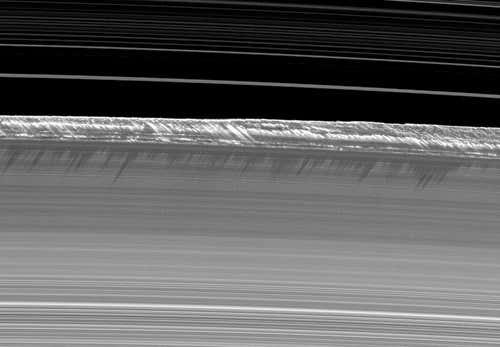
SATURN’S rings are far from the serene place you might imagine. Instead, they resemble a space beltway where high-speed crashes between icy particles create and destroy snowballs the size of mountains. This constant thrum of activity could explain how moonlets emerge from the rings, and perhaps even show how planets materialise around a star.
“We used to think of the rings as a perfect, placid society where nothing ever happens,” says …


