Subscribe now

Life

Stone Age long barrows housed living as well as dead

Did Neolithic people really use earthen long barrows as cemeteries, or did the structures have a living purpose?

By Julian Thomas

30 May 2012

New Scientist. Science news and long reads from expert journalists, covering developments in science, technology, health and the environment on the website and the magazine.

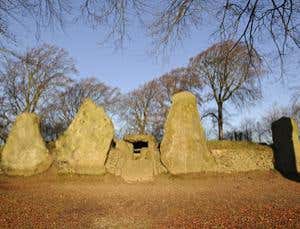
The entrance to the chambers of Waylands Smithy, a Neolithic barrow alongside the ancient Ridgeway path in Oxfordshire, UK

(Image: Simon Belcher/Imagebroker/SuperStock)
THE Neolithic era, when humans began to grow crops and domesticate animals, is generally thought to have its origins some 8000 years ago in the Middle East and spread across Europe to the British Isles. Exactly when it “arrived” in Britain, however, has been the subject of a lively but unresolved debate. This revolves around the question of whether innovations such as domesticating plants and animals, and making pots, polished stone tools and monuments were introduced from the…


Sign up to our weekly newsletter

Receive a weekly dose of discovery in your inbox. We'll also keep you up to date with New Scientist events and special offers.

Sign up

To continue reading, subscribe today with our introductory offers

Popular articles

Trending New Scientist articles

Piano Exit Overlay Banner Mobile Piano Exit Overlay Banner Desktop