It’s no sturgeon, but the eggs are tasty (Image: Norbert Wu/Minden/NGS)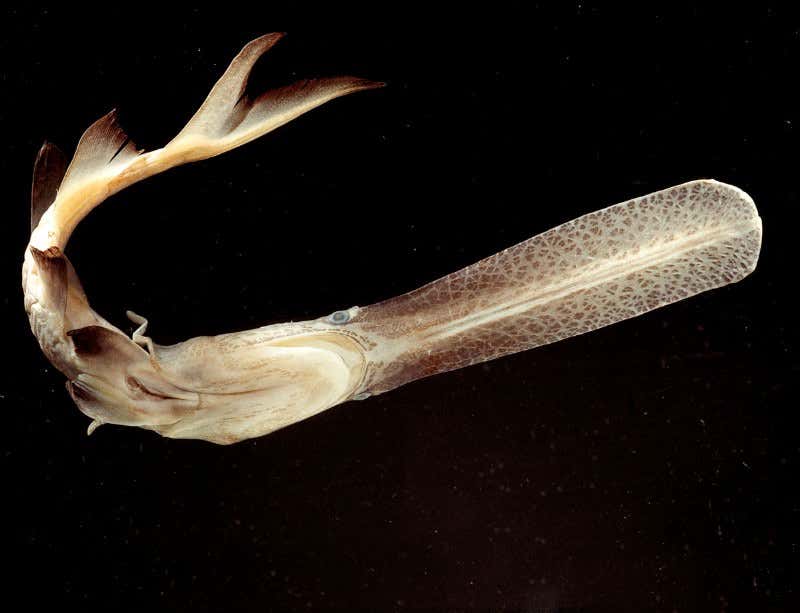
IT SURVIVED the last great extinction, but the paddlefish is no match for the luxury food industry.
Conservationists fear that black- market demand for caviar is pushing the American paddlefish towards extinction. This month, a multi-year investigation into the trade led to the indictment of eight people in the US.
Strictly speaking, caviar is made from the roe of beluga sturgeon. But demand for the fishy delicacy led to a 90 per cent drop in the population in just 20 years, causing suppliers to look for ersatz alternatives. The eggs of the North American paddlefish – the last member of a family of fish that is between 300 and 400 million years old – are a particular favourite.
Advertisement
They are often exported from the US, relabelled as beluga caviar, then reimported.
A few years ago, citizen reports of poachers illegally catching paddlefish in Missouri triggered an investigation by the state’s department of conservation (MDC) and the US Fish and Wildlife Service. It identified a poaching hotspot in Warsaw, Missouri, where spawning fish become trapped by a dam on the Osage river, upstream of the Mississippi. On 13 and 14 March, more than 100 suspects were contacted, and eight were charged with illegal trafficking of paddlefish and their eggs.
According to the MDC, one female’s roe sells for about $4000 on the black market, with an ounce of eggs (28 grams) going for $13.
This article appeared in print under the headline “Paddlefish hit by luxe tastes”
Topics:


