Subscribe now

Earth

My verdict on Gaia hypothesis: beautiful but flawed

We now have the evidence to pass judgement on James Lovelock’s wildly popular notion that life engineers hospitable worlds, says oceanographer Toby Tyrrell

By Toby Tyrrell

23 October 2013

New Scientist. Science news and long reads from expert journalists, covering developments in science, technology, health and the environment on the website and the magazine.

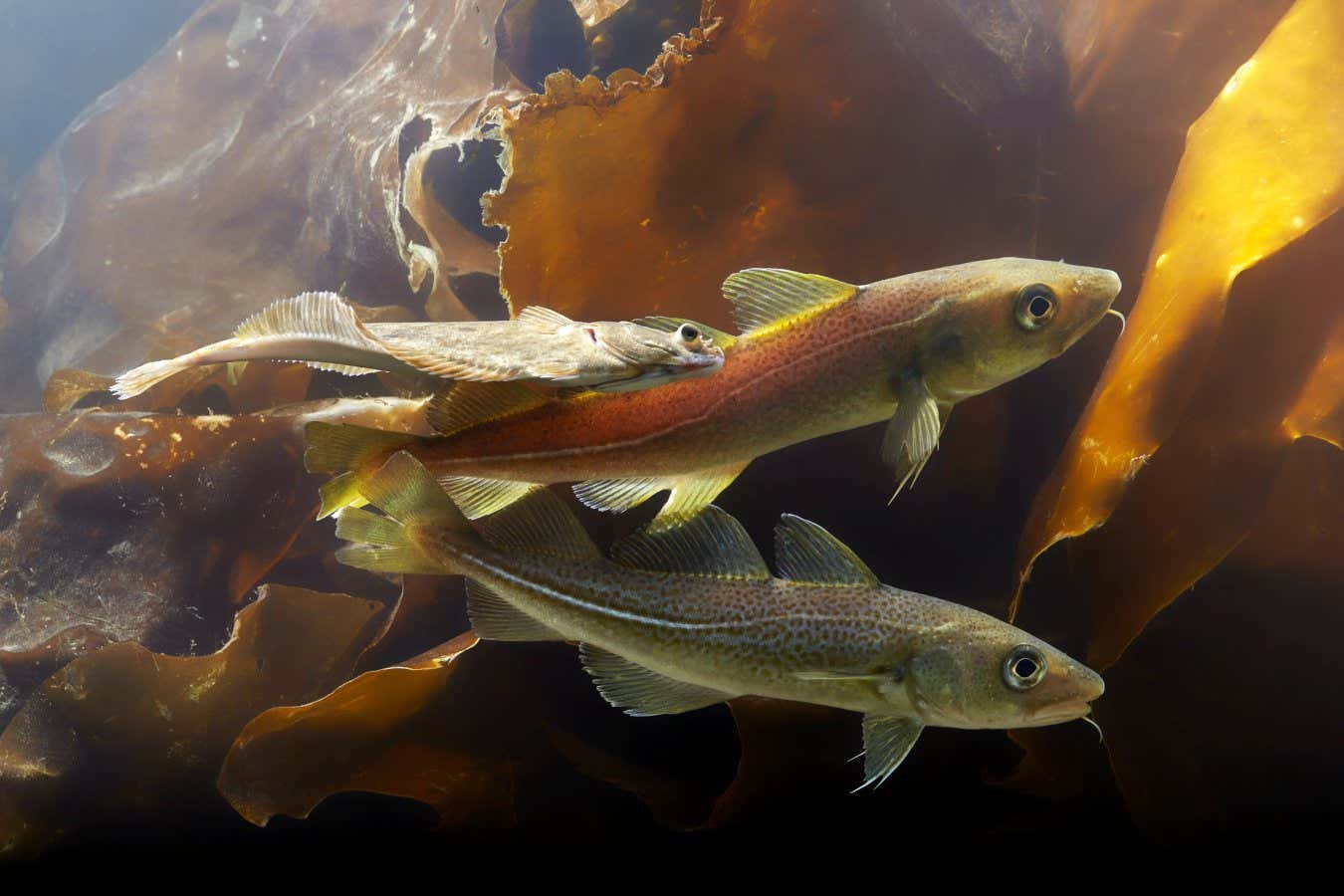
Climate cycles seem incompatible with the Gaia notion of a hospitable planet

(Image: Michael Appelt/Anzenberger/eyevine)

LIFE has steered Earth’s environment over billions of years, helping to keep it stable and comfortable for living things. That’s the crux of James Lovelock’s Gaia hypothesis, which addresses enduring questions such as “how does our planet work?” and “how is it that Earth has remained continuously habitable for more than 2 billion years?”

Gaia is a fascinating hypothesis, but is it right? Working out the answer is particularly significant as we battle to be stewards of a planet with a human population of…


Sign up to our weekly newsletter

Receive a weekly dose of discovery in your inbox. We'll also keep you up to date with New Scientist events and special offers.

Sign up

To continue reading, subscribe today with our introductory offers

Piano Exit Overlay Banner Mobile Piano Exit Overlay Banner Desktop