A rare sight Carlos Fernandez/Getty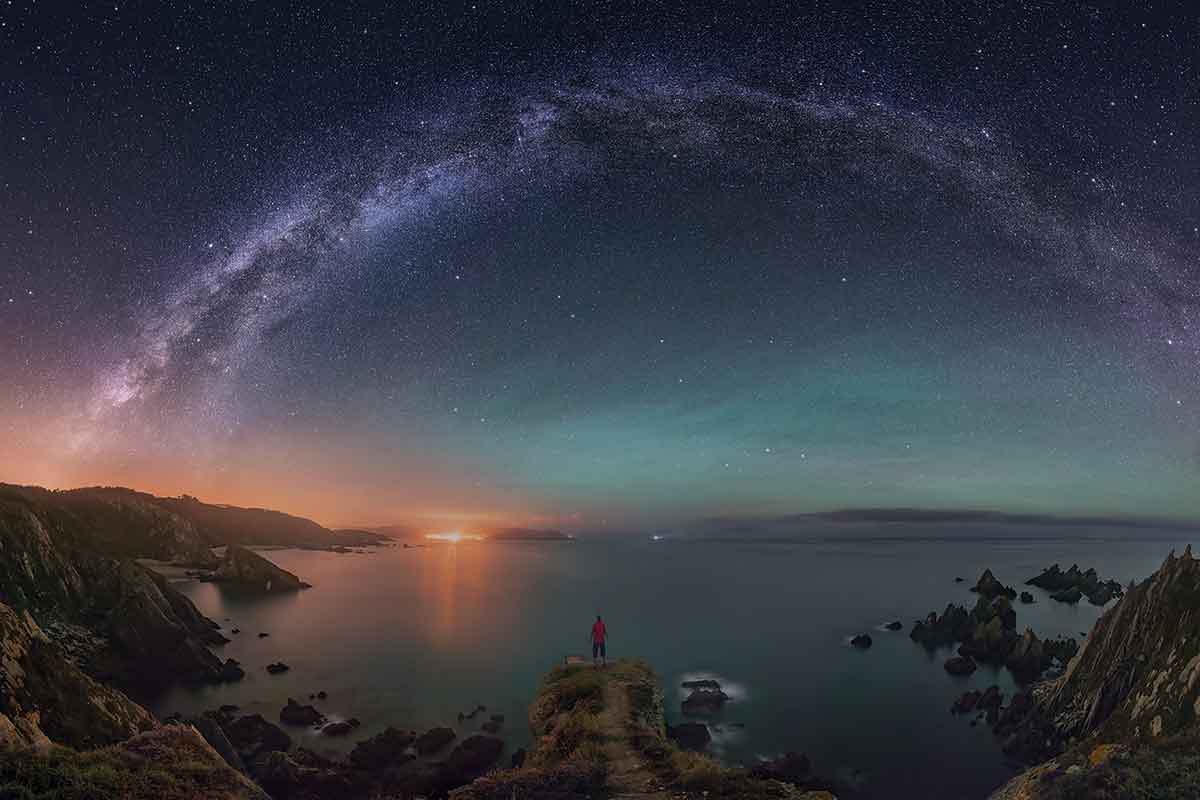
SEEING stars is getting harder. A third of us can’t see the Milky Way at night, according to a new map of light pollution across the globe.
Around 80 per cent of the world’s population lives under skies obscured to some degree by human-made light. Singapore never experiences true night conditions – artificial twilight masks the darkness. Chad, the Central African Republic and Madagascar have the lowest levels of light pollution, with three-quarters of their populations enjoying pristine night skies.
The Milky Way, visible in darkness as a dim glow streaking across the sky, is hidden for 60 per cent of Europeans and 80 per cent of North Americans.
Advertisement
“It’s a big part of our connection to the cosmos – and it’s been lost,” says study author Chris Elvidge of the US National Oceanic and Atmospheric Administration, who built the map using satellite images, computer models and citizen-science measurements from the ground (Science Advances, doi.org/bjz2).
This article appeared in print under the headline “Milky where?”
Topics: