Subscribe now

Comment and Space

How the coolest, smallest stars could help us discover new exoplanets

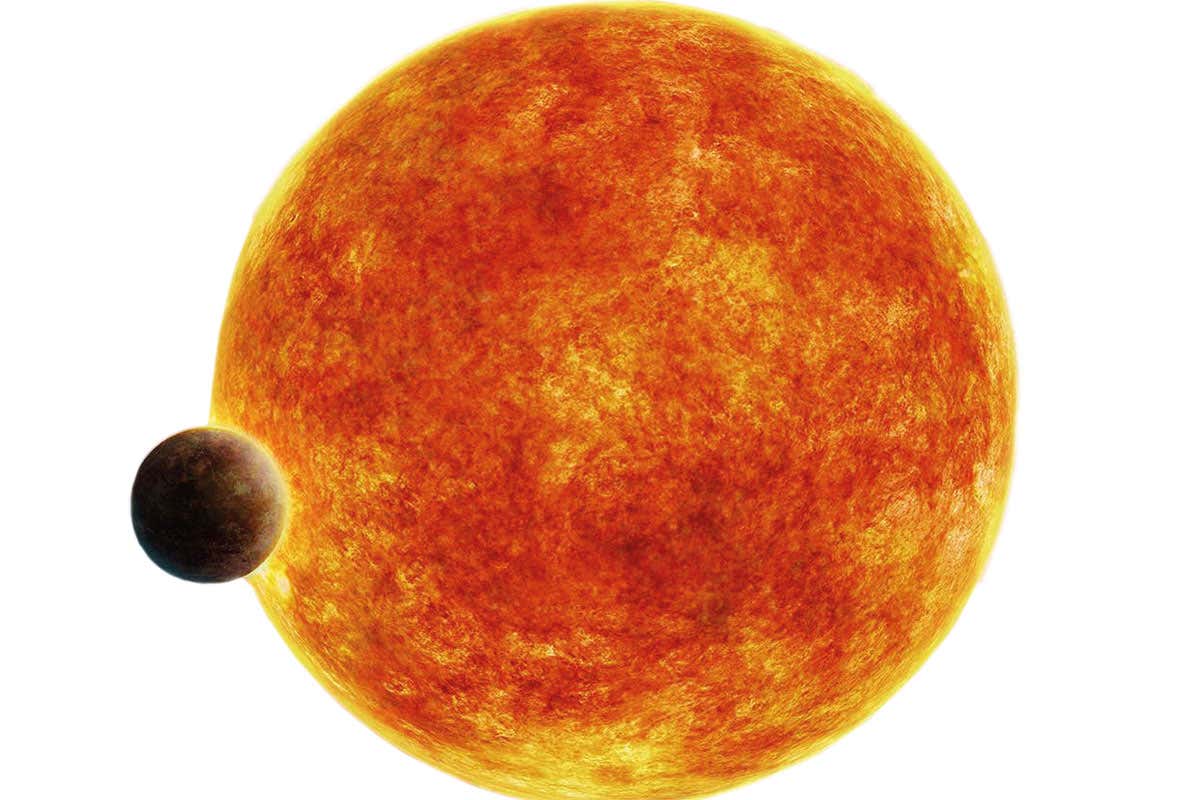
Field notes from space-time | Exoplanets are abundant near the galaxy's smallest stars. Observing M dwarfs could teach us more about the worlds beyond our solar system, writes Chanda Prescod-Weinstein

By Chanda Prescod-Weinstein

7 August 2019

New Scientist. Science news and long reads from expert journalists, covering developments in science, technology, health and the environment on the website and the magazine.

M. Weiss/CFA

IN THE past 100 years, astrophysicists have deduced that space-time is expanding, that this expansion is accelerating, that the universe is about 14 billion years old and that there are at least 4000 planets beyond those in our solar system, called exoplanets. When I wrote my junior undergraduate thesis on exoplanet atmospheres back in 2002, all we knew was that simulations suggested we should see sodium in the atmospheres – and we did, but we saw less of it than expected. Today, our simulations are more sophisticated and we have moved beyond basic details about atmospheres to thinking through how…
Sign up to our weekly newsletter

Receive a weekly dose of discovery in your inbox. We'll also keep you up to date with New Scientist events and special offers.

Sign up

To continue reading, subscribe today with our introductory offers

Popular articles

Trending New Scientist articles

Piano Exit Overlay Banner Mobile Piano Exit Overlay Banner Desktop