Subscribe now

Leader and Humans

The story of how humans got to the Americas isn’t a simple one

The New World wasn’t conquered by a single group of people - different populations migrated and interbred in a tangled web. This is the new normal for human evolution

25 September 2019


New Scientist. Science news and long reads from expert journalists, covering developments in science, technology, health and the environment on the website and the magazine.

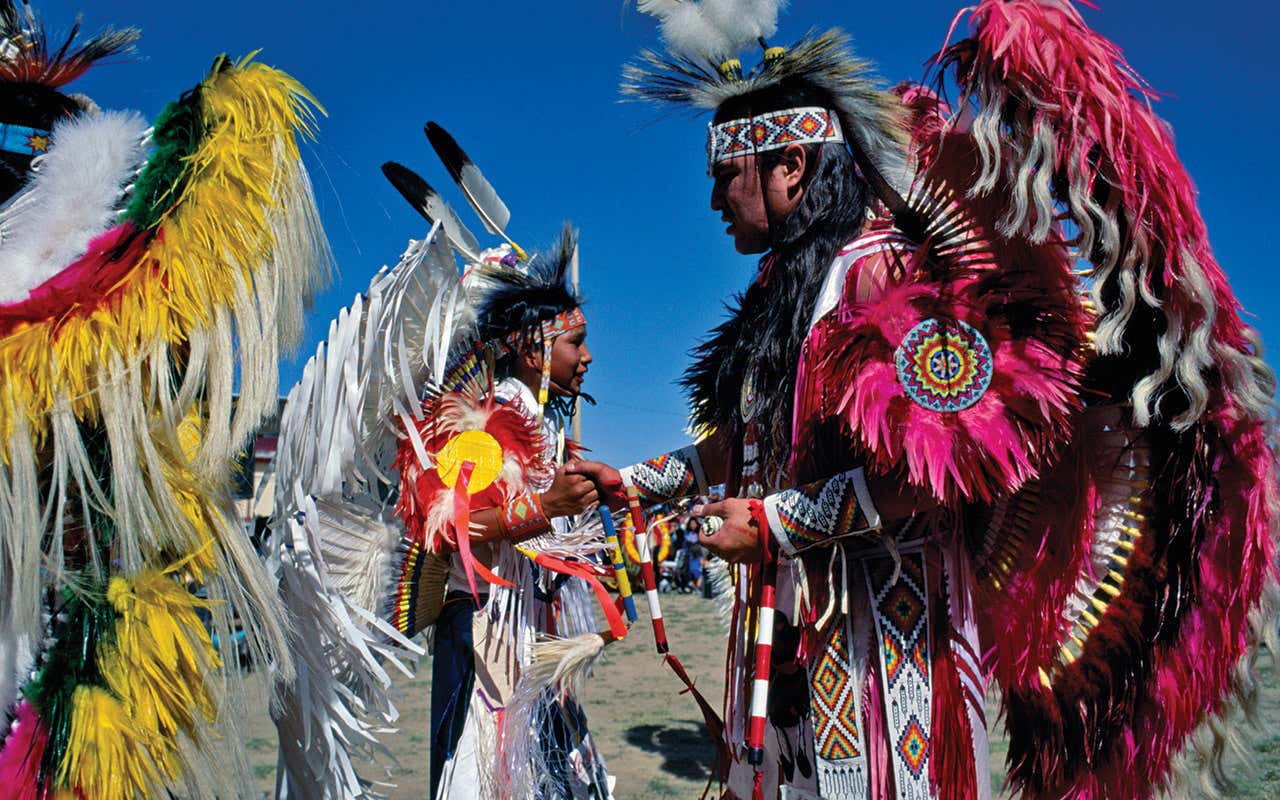
Indigenous Americans have genes that helped ancestral peoples survive the subarctic

Patrick Zachmann/Magnum Photos
“CLOVIS First” was once the rallying call of archaeologists studying humanity’s settlement of the Americas. It referred to the idea that the prehistoric people who made the distinctive Clovis bone and ivory tools must have been the first human to enter the New World, about 13,000 years ago. Now we know better.

Like much of the received wisdom about human evolution, the peopling of the Americas has been subject to revision in recent years. New discoveries leave no doubt that people arrived earlier than 13,000…
Sign up to our weekly newsletter

Receive a weekly dose of discovery in your inbox. We'll also keep you up to date with New Scientist events and special offers.

Sign up

To continue reading, subscribe today with our introductory offers

Piano Exit Overlay Banner Mobile Piano Exit Overlay Banner Desktop