Subscribe now

Life

Greenwood review: Can humanity survive a tree apocalypse?

It’s 2038 and Earth's trees are dead, bar some firs on a tiny island. The tale of what happened is an epic combining sci-if, mystery and an exposé of capitalism, says Sally Adee

By Sally Adee

4 March 2020

New Scientist. Science news and long reads from expert journalists, covering developments in science, technology, health and the environment on the website and the magazine.

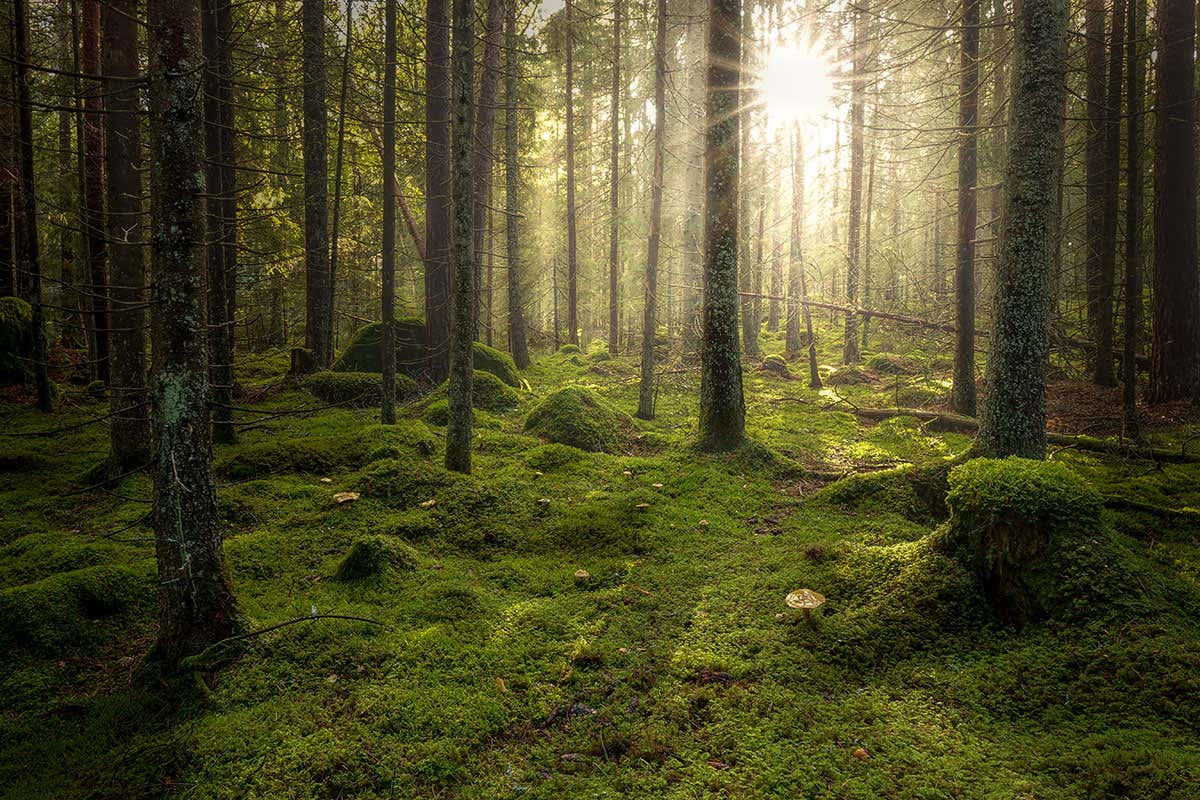
Björn Forenius/Getty Images
Book

Greenwood

Michael Christie

Scribe

IT IS 2038. A creeping fungus has eaten Earth’s trees. Forget ecological heartbreak: now there is nothing to stop vast dust storms scouring skin, invading lungs, asphyxiating the unprotected with a new disease called rib retch, named after the cough that snaps ribs. Unless, that is, you are one of the 0.0001 per cent in air-filtered towers, or their lucky serfs.

The collapse of ecosystems was followed by that of the global economy. Only the world’s debt has survived.

Greenwood Island is the last refuge, a leafy oasis off the Vancouver coast that somehow escaped…
Sign up to our weekly newsletter

Receive a weekly dose of discovery in your inbox. We'll also keep you up to date with New Scientist events and special offers.

Sign up

To continue reading, subscribe today with our introductory offers

Popular articles

Trending New Scientist articles

Piano Exit Overlay Banner Mobile Piano Exit Overlay Banner Desktop