Daniel Stolle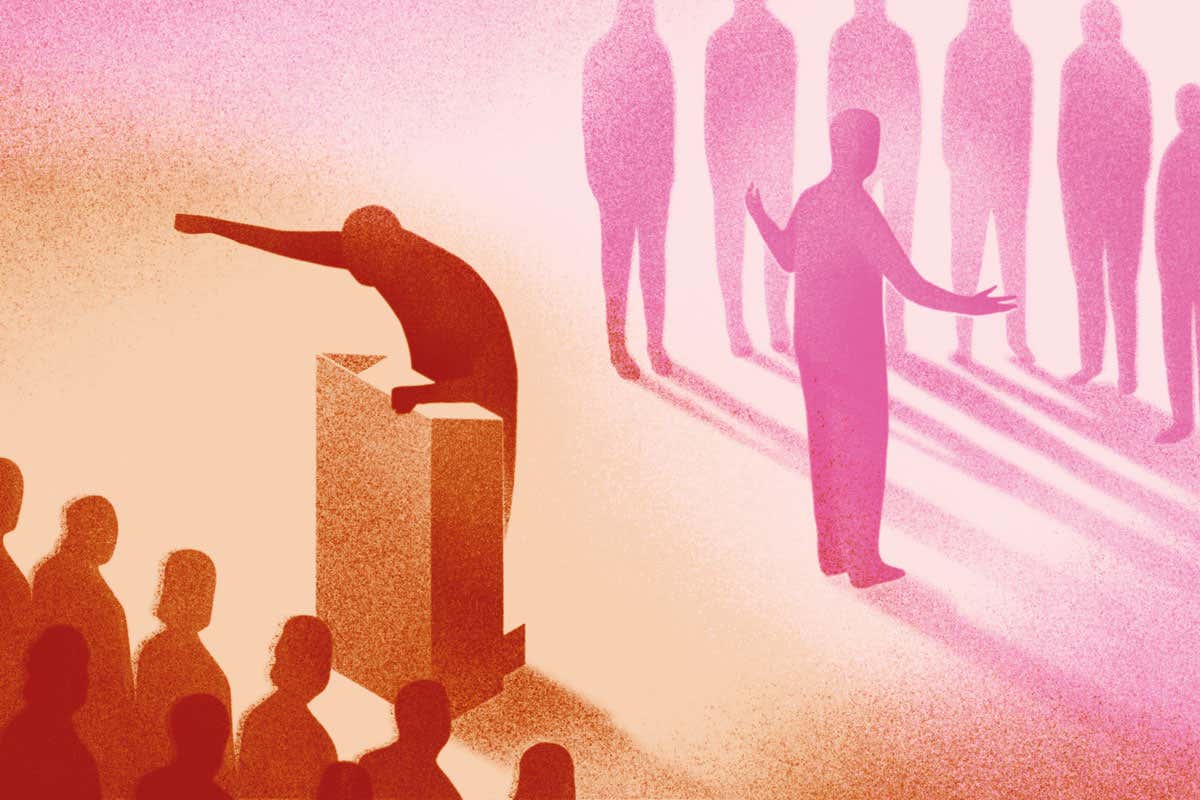
DONALD TRUMP in the US and Jacinda Ardern in New Zealand. Vladimir Putin in Russia and Sanna Marin in Finland. It is hard to imagine more drastically different political figures. Yet each of these individuals has reached the highest office in their country. Given the vast differences in their personal qualities, behaviour and rhetoric, can we ever understand what makes for a successful leader? How is it that Trump, Ardern, Putin and Marin can all become leaders of their nations?
If you have had any exposure to business leadership theories, you may see a pattern here. Many identify two main ways that leaders exert their influence over groups. These dichotomies go by names such as democratic versus autocratic, participative versus directive and personalised versus positional. This sort of analysis may be helpful in characterising leadership styles, but it can only take us so far in understanding why we have the leaders we do. Now, an idea emerging from evolutionary biology promises to do much more.
This approach connects the two distinct leadership styles with deeper human drives and motivations. Its proponents argue that through this perspective, we can explain a lot about the state of the world today, from the US-China trade war to the success of countries such as New Zealand, Germany and Taiwan in responding to covid-19, and from Boris Johnson’s victory in last year’s UK general election to the under-representation of women in boardrooms. Some believe this model can even predict the outcome of the forthcoming US presidential election. Can they be right?
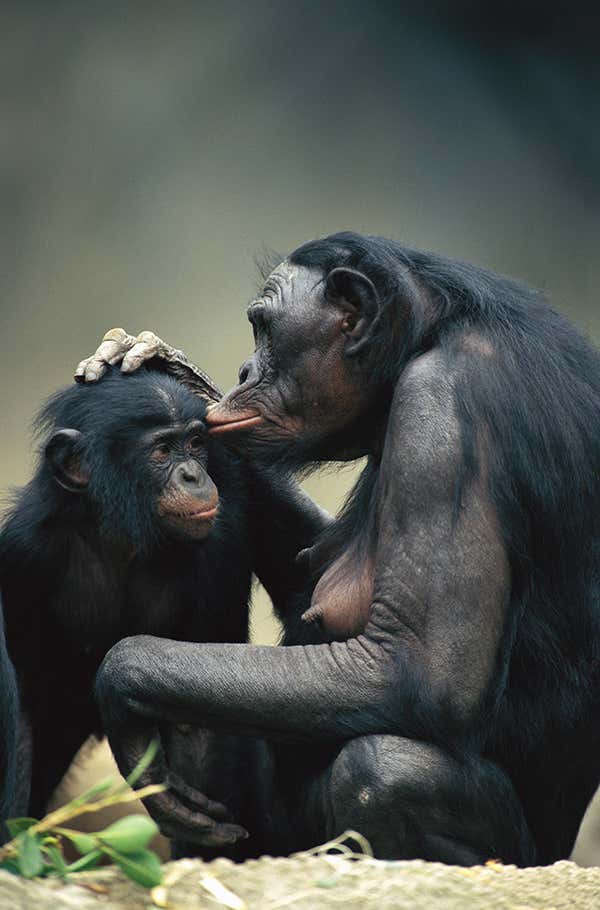
Females take the lead in bonobo groups and rule by persuasion rather than intimidation…