Subscribe now

Comment and Life

Lockdown is a unique chance to see how human activity affects wildlife

Rewilding efforts have been emboldened by the sudden cessation of everyday life during the coronavirus pandemic. Scientists are seizing the opportunity to learn how best to support our wildlife, says Graham Lawton

By Graham Lawton

22 July 2020

New Scientist. Science news and long reads from expert journalists, covering developments in science, technology, health and the environment on the website and the magazine.

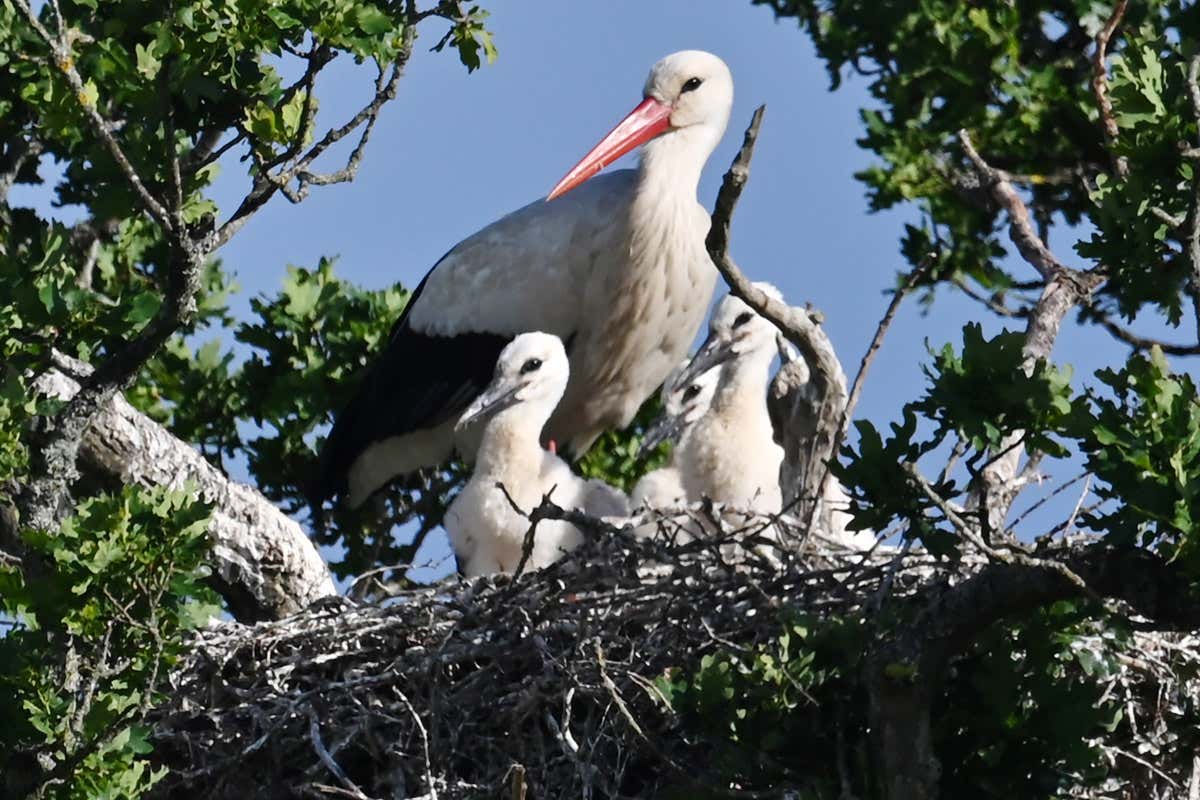
Photo by Glyn Kirk/AFP via Getty
WHEN I sat down at my kitchen table at the tail end of winter to write my first column under lockdown, I didn’t think I would still be there come midsummer. That piece was about the health benefits of contact with nature and how to get them in a locked-down world.

I was reminded of this last week during a bike ride with my wife through the still-quiet streets of central London. We swung through St James’s Park and stopped at the lake to admire the pelicans. The sun was shining, the water was clear and the big, ungainly birds…

Sign up to our weekly newsletter

Receive a weekly dose of discovery in your inbox. We'll also keep you up to date with New Scientist events and special offers.

Sign up

To continue reading, subscribe today with our introductory offers

Popular articles

Trending New Scientist articles

Piano Exit Overlay Banner Mobile Piano Exit Overlay Banner Desktop