Subscribe now

Leader and Humans

Insights into the neural roots of bias suggest ways to fix the problem

All of us harbour biases resulting from the associations we learn implicitly from the societies we live in and how our brains work, but there are ways to overcome them

26 August 2020

New Scientist. Science news and long reads from expert journalists, covering developments in science, technology, health and the environment on the website and the magazine.

Andriy Onufriyenko/Getty Images
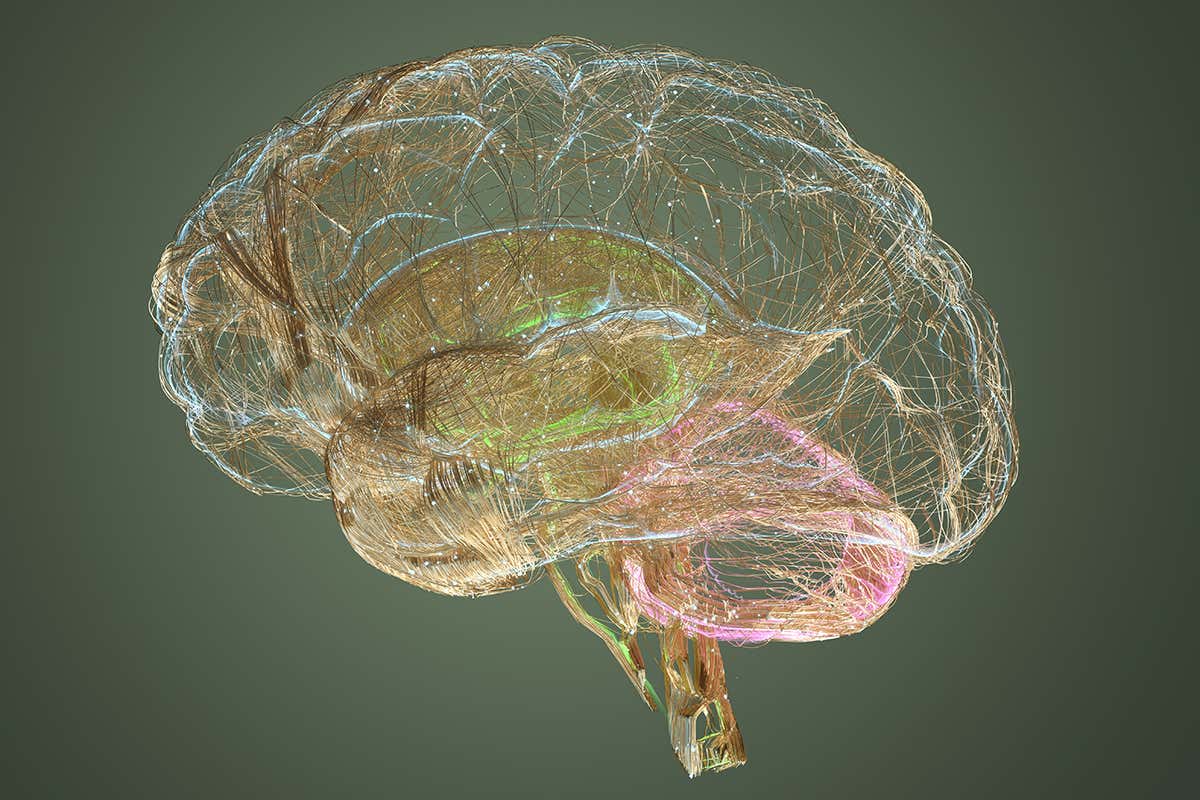
FEW ideas from social psychology have captured public attention in recent years as much as unconscious bias, the catch-all term for the assumptions we make about other people without being consciously aware of the process.

That reach is partly down to the Implicit Association Test (IAT) created by researchers at Harvard University in the 1990s. Available online, it is widely seen as a quick and easy way to see how implicitly biased you are. The results can be unsettling: you may not think you are racist or sexist or ageist, but, in many cases, your unconscious preferences, measured by instant…

Sign up to our weekly newsletter

Receive a weekly dose of discovery in your inbox. We'll also keep you up to date with New Scientist events and special offers.

Sign up

To continue reading, subscribe today with our introductory offers

Popular articles

Trending New Scientist articles

Piano Exit Overlay Banner Mobile Piano Exit Overlay Banner Desktop