Subscribe now

Space

How to watch the spectacular Perseids meteor shower

Meteor showers dazzle the night sky, but the Perseids shower is special. It peaks on 12 August this year, and here's how to enjoy it, says Abigail Beall

By Abigail Beall

11 August 2021

New Scientist. Science news and long reads from expert journalists, covering developments in science, technology, health and the environment on the website and the magazine.

Oscar Sánchez Photography/Getty Images
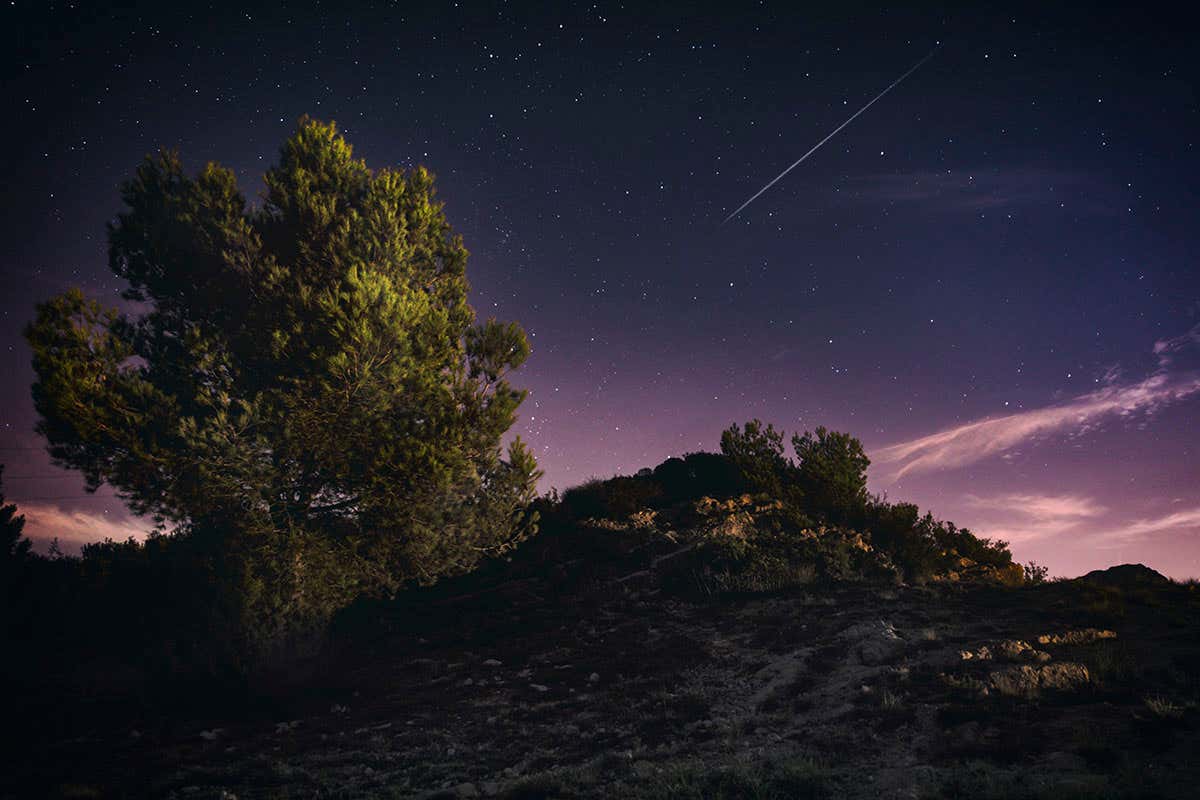
EVERY so often, our planet’s path around the sun takes us through part of the solar system littered with the debris of a long-departed comet or asteroid. Dust and rocks come hurtling towards Earth. They hit our atmosphere, where they suddenly slow down and burn up, producing a beautiful display in our skies. Some of these meteor showers produce more dazzling displays than others, and the Perseids meteor shower, which peaks on 12 August this year, is one of the best.

It is caused by a cloud of debris left in the wake of Comet Swift-Tuttle, which takes 133 years…

Sign up to our weekly newsletter

Receive a weekly dose of discovery in your inbox. We'll also keep you up to date with New Scientist events and special offers.

Sign up

To continue reading, subscribe today with our introductory offers

Piano Exit Overlay Banner Mobile Piano Exit Overlay Banner Desktop