Subscribe now

Technology

The rise of the molecular machines set to make new wonder materials

Machines made of atoms are being used to sew together new materials molecule by molecule, which could open the floodgates to all manner of innovation

By Katharine Sanderson

2 March 2022


New Scientist. Science news and long reads from expert journalists, covering developments in science, technology, health and the environment on the website and the magazine.

Graham Carter

During the industrial revolution, simple mechanisms like pistons and ratchets were combined to produce machines that could do the work of many people. The changes this brought were both positive and negative, but nobody denies how sweeping they were. It might be wise to keep that in mind today, as chemists develop molecular machines – devices made not of iron, but of atoms – which could be as disruptive as any steam engine.

Simple molecular machines have existed for about two decades. Early examples include molecular wheels that could move along an axle, creating a piston-like mechanism. Three pioneers of this work – Fraser Stoddart at Northwestern University in Illinois, Ben Feringa at the University of Groningen in the Netherlands and Jean-Pierre Sauvage at the University of Strasbourg, France – were recognised with a Nobel prize in 2016.

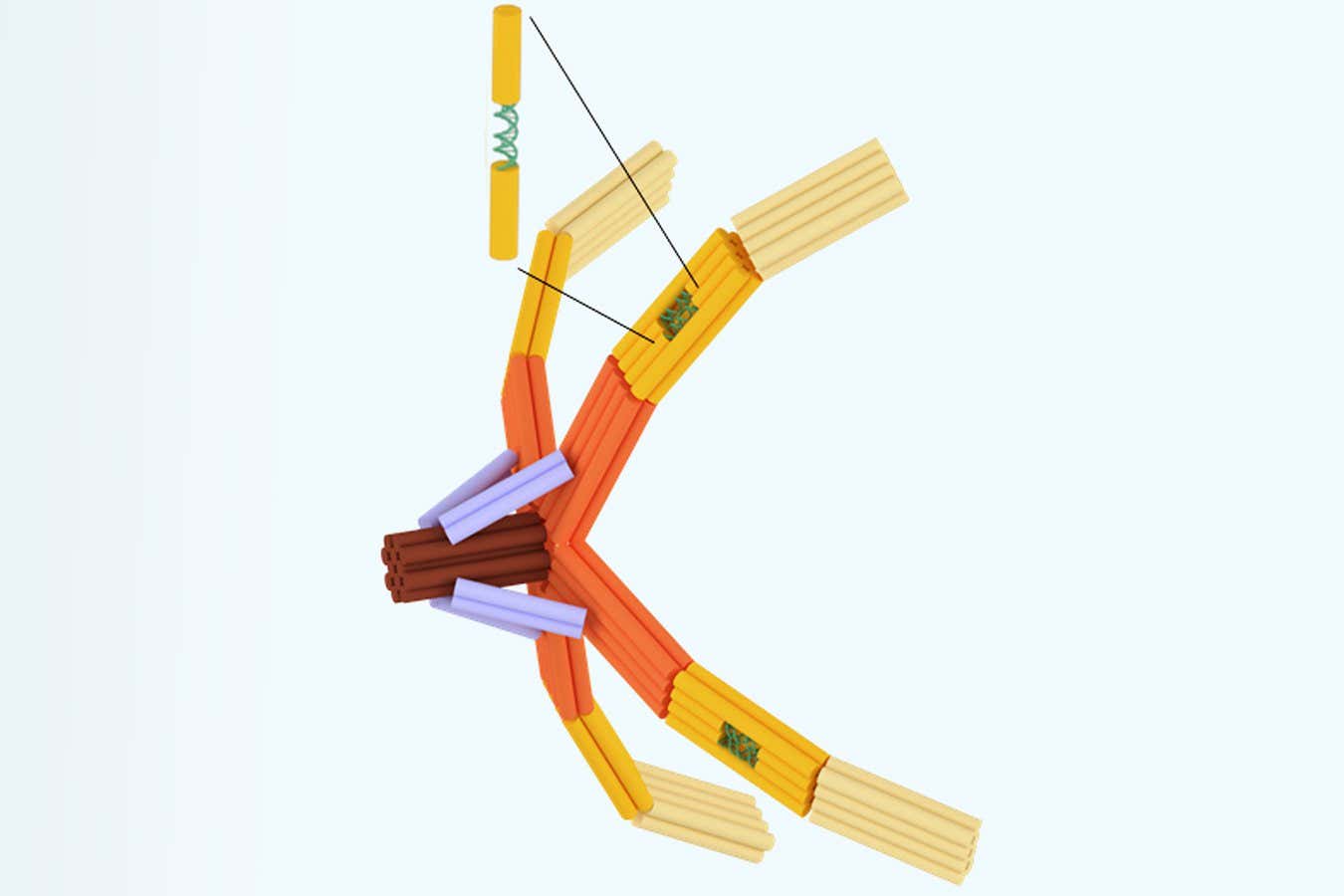
More useful machines are now being made and tested. A few years ago, James Tour at Rice University in Houston, Texas, and his colleagues created a molecular machine that could drill through cell membranes. This allows it to open holes through which drugs could be delivered.

Such devices can be built on to create even more sophisticated machines. The potential is huge: after all, living things use biomolecular machines to do many useful jobs. Ribosomes, for example, are biomolecular machines that assemble proteins. They add molecules called amino acids together in specific sequences to create a vast array of amazing materials, from the keratin in fingernails to the disease-busting antibodies of our immune systems.

“Molecular machines are going to change everything in terms of material design”
David Leigh at the University of…

Sign up to our weekly newsletter

Receive a weekly dose of discovery in your inbox. We'll also keep you up to date with New Scientist events and special offers.

Sign up

To continue reading, subscribe today with our introductory offers

Popular articles

Trending New Scientist articles

Piano Exit Overlay Banner Mobile Piano Exit Overlay Banner Desktop