Artichokes are rich in fibre that feeds beneficial bacteria Javarman/shutterstock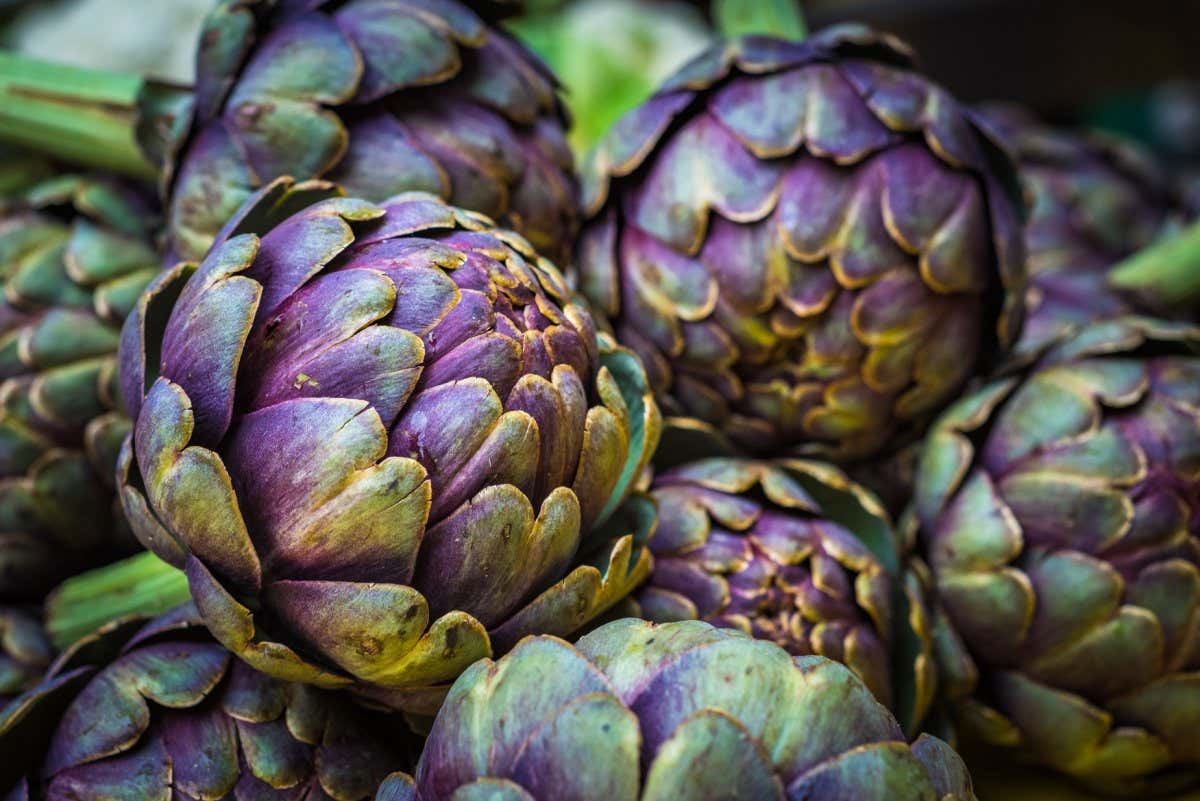
WALK down any supermarket aisle and you will see rows of food and drink that claim to help your immune system. We are told that cinnamon is good at battling inflammation and fighting off illness, for instance. The list of supposedly “immune boosting” foods also often includes berries, mushrooms, green tea, seeds, spinach, broccoli, probiotic yogurt and foods high in specific vitamins.
The problem is that when you dig deeper, you see that most of these bold claims aren’t derived from clinical trials or solid science. More often than not, they are based on small lab experiments where chemical extracts of the plants, nuts or herbs are found to alter the potency of immune cells, and these findings rarely translate to anything useful.
So, what do we really need to eat to support a healthy immune response? Only fairly recently have we discovered that the biggest immune organ is our gut. The immune system is in regular contact with the trillions of microbes living in the gut, which send signals to dial immune activities up or down.
Advertisement
The good news is that the delicate balance of this system can be modified through diet. Take chronic low-grade inflammation, which can be thought of as the result of an overstimulated immune system and increases the risk of heart disease and metabolic problems such as obesity. The complex interactions between the gut lining, short chain fatty acids produced by the fermentation of dietary fibres by gut microbes, and pro-inflammatory chemicals called cytokines all contribute to our overall level of inflammation.
Eat your veg
While anti-inflammatory diets are often promoted in vague terms by the nutrition industry, we do know that the composition of the gut microbiome can modify chronic inflammation and that diet has a role in this.
In recent years, my team and I at King’s College London have been investigating this link between the microbiome and our diet in several ways. In the first part of our ZOE PREDICT (Personalized REsponses to DIetary Composition Trial) programme, we asked 1000 people with no known health problems to fill in a diet questionnaire and undergo blood tests. People who regularly ate a lot of vegetables had lower levels of circulating white blood cells. This resulted in lower levels of chronic inflammation and a lower risk of chronic diseases.
This positive impact of vegetables could be due to their high concentration of fibre and compounds called polyphenols, which act as prebiotics for our gut microbes, promoting the growth and activity of beneficial bacteria.
This article is part of a special series on immunity, in which we explore:
Fermented foods
A healthy balance of gut microbes also seems to be helped by eating fermented foods, such as miso, kombucha and kimchi. These contain live microbes that can increase your gut microbiome diversity.
Strong evidence supporting specific types of fermented foods above others is still unavailable. However, we now know that the microbes from many fermented products make it past our stomach to our colon where bacteria reside. Although they only stay for a short while, they do have time to stimulate the production of helpful chemicals that aid our metabolism.
For the gut microbes to work optimally in supporting our immune health, we need a combination of regular probiotics – the bacteria themselves – plus a variety of good prebiotic foods for the microbes to ferment into helpful chemicals for us.
Foods to avoid are those that contain little or no fibre and cause rapid spikes in blood glucose levels as well as prolonged high blood fat levels after meals. These are associated with post-meal inflammation that can become chronic with repeated intake of sugary foods. Highly refined carbs and ultra-processed foods, especially those that contain cheap processed meats, are the biggest culprits. Artificial sweeteners and emulsifiers can also harm your gut microbes.
My take-home message is that the gut microbiome and our diets are closely linked, and both factors interact with our immune system in complex ways. “Immune boosting” foods, therefore, are simply gut-friendly foods: looking after your diet helps your gut microbes to help your immune system do its job.
FOODS TO MAINTAIN A HEALTHY IMMUNE SYSTEM
1. Fermented foods, such as kimchi or kefir, which contain helpful probiotics.
2. Foods rich in a variety of fibre that provide nourishment for beneficial bacteria, such as leeks, onions, artichokes or cabbages.
3. Foods that dampen any inflammation after meals, such as green, leafy vegetables.
Artichokes are rich in fibre that feeds beneficial bacteria
Topics: